
Albert Parra
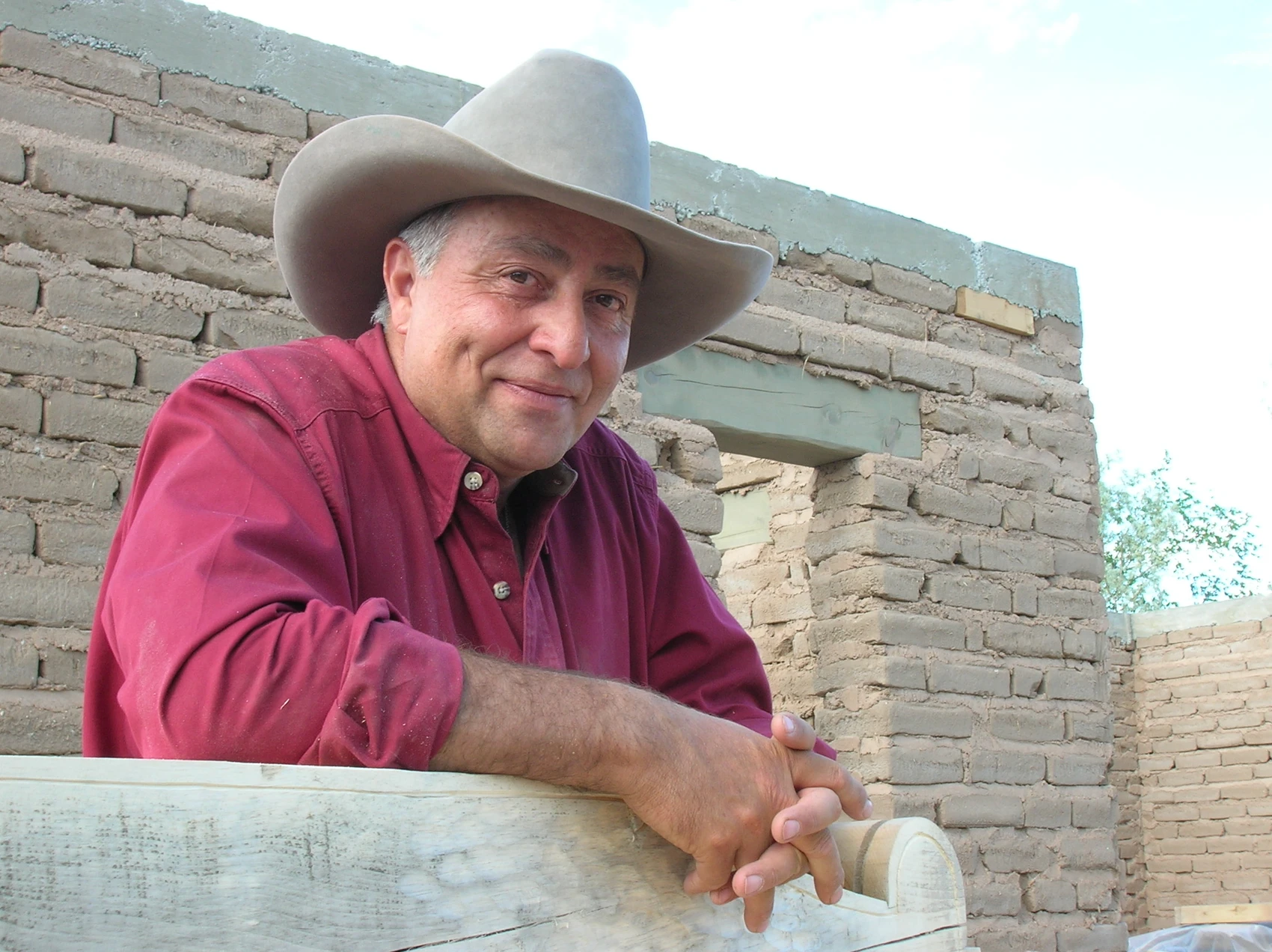
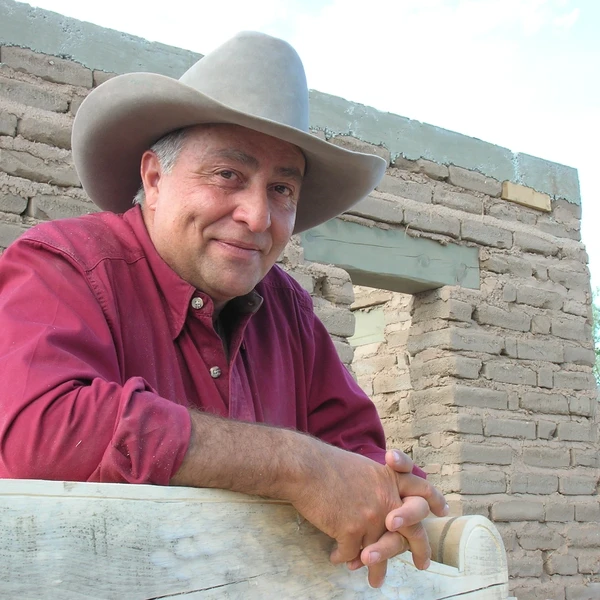
Adobe craftsman Albert Parra specializes in the design, construction, and restoration of traditional adobe homes and churches in Hispanic communities throughout northern New Mexico and southern Colorado. His work, and the work of his fellow “mud men,” maintains a rich, local tradition of craftsmanship going back hundreds of years.
Raised by his great-grandmother in Old Town Albuquerque, New Mexico, Parra has been working with adobe since he was nine years old. He learned his trade from master adobe craftsman Don Gaspar Garcia, who taught him the old traditional ways and techniques. “He took me under his wing, and life was never the same again,” he says. “By the time I was twenty-one years old, he taught me all he knew about the art of making adobe homes and encouraged me to apply for my contractor’s license. Since then, I’ve been working full-time as a builder and designer of adobe homes.”
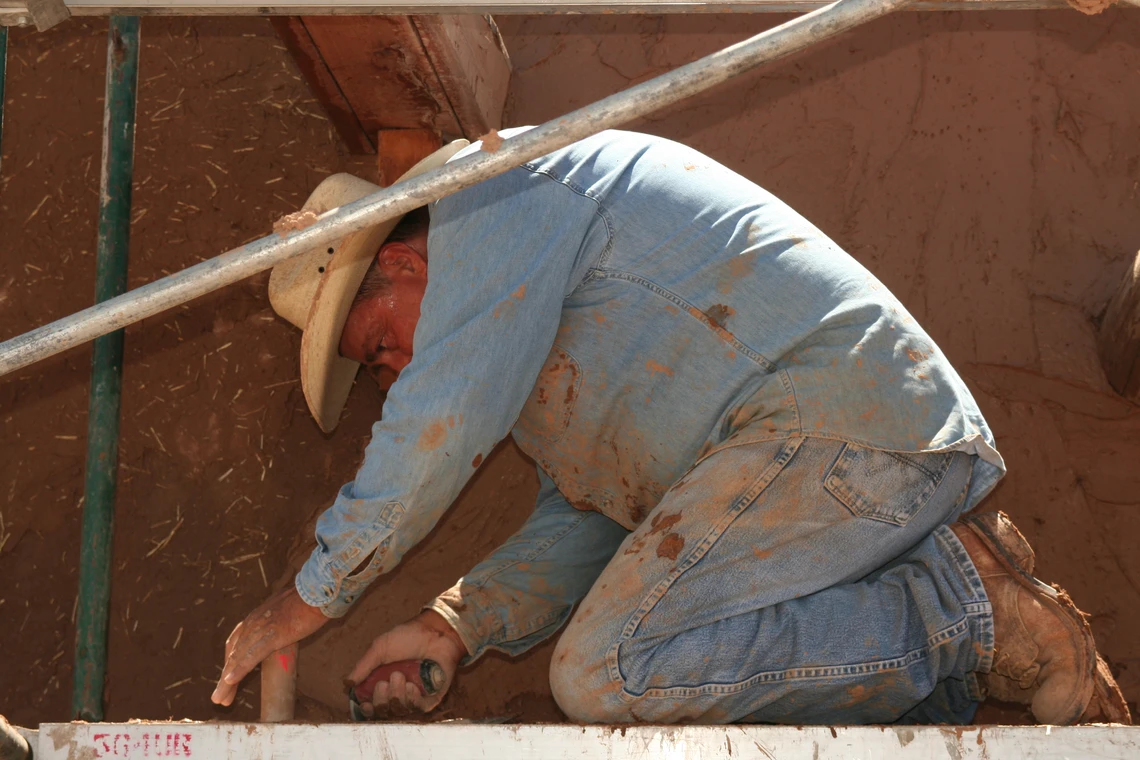
In addition to learning the adobe craft, Parra also worked as a logger. “I went to the mountains to become a logger because it was something my grandfather did. I wanted to learn his history,” he says. Parra’s deep knowledge of timber is central to his craft, since strong wooden beams called vigas are used for roof supports in traditional adobe buildings. “I put the two together,” he says of his work with wood and earth. “I continue going to the forest to cut timber for my own building needs. I make adobes out of mud. It’s a great combination.”
Adobe architecture is an ancient building technique and one of the most environmentally sustainable, using local dirt, sand, water, and straw to make the adobe bricks, and featuring massive load-bearing walls that keep buildings warm in the winter and cool in the summer. “Because it is of the earth, in the true adobe there is no sharpness, no edges, no harsh angles,” Parra says. “It flows and imitates the land that surrounds it. And because of its origin, when the adobe’s journey is finished, it quietly descends back to its source.”
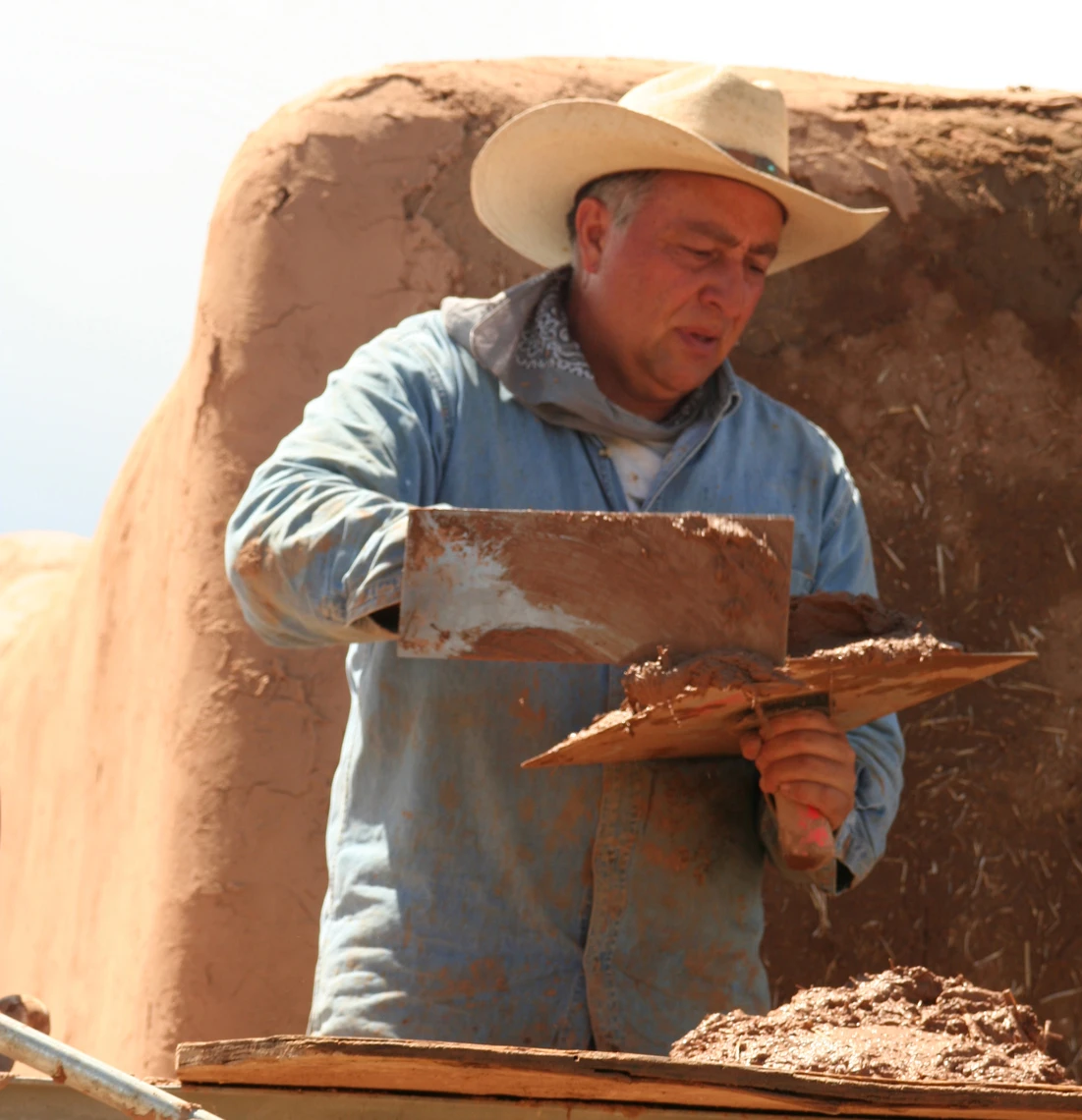
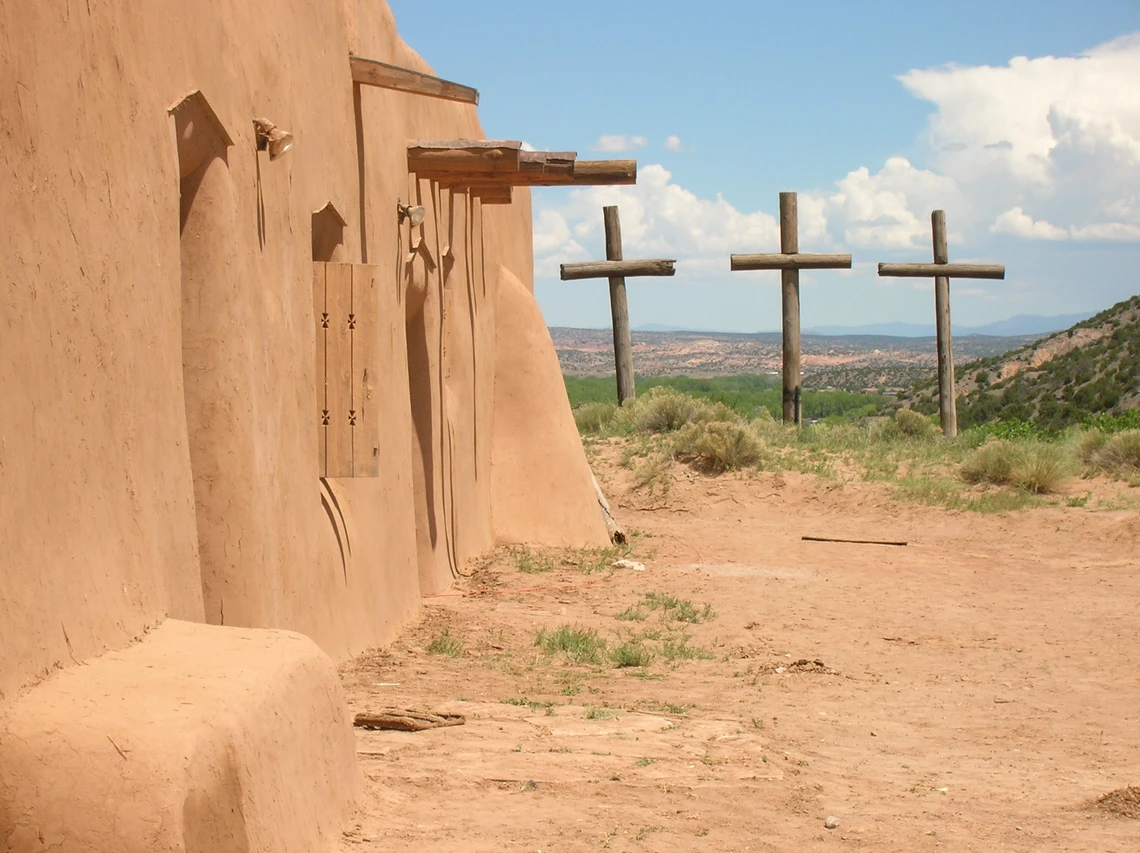
A long-standing aspect of New Mexico’s cultural heritage, adobe traditions are preserved and shared with local communities by craftsmen like Parra. As an end-of-summer custom, Hispanic and Native American communities “remix the mud and replaster the mud walls” of their adobes in anticipation of the coming year. “It’s all about maintenance,” Parra says. “It’s a must that we do this.” Parra leads the annual replastering of the 300-year-old Abiquiú morada—a meeting house and chapel for the Penitente Brotherhood—carrying on the centuries-old tradition.
“This is the real meaning of community. Every single one of us looks forward to coming here and working together.”
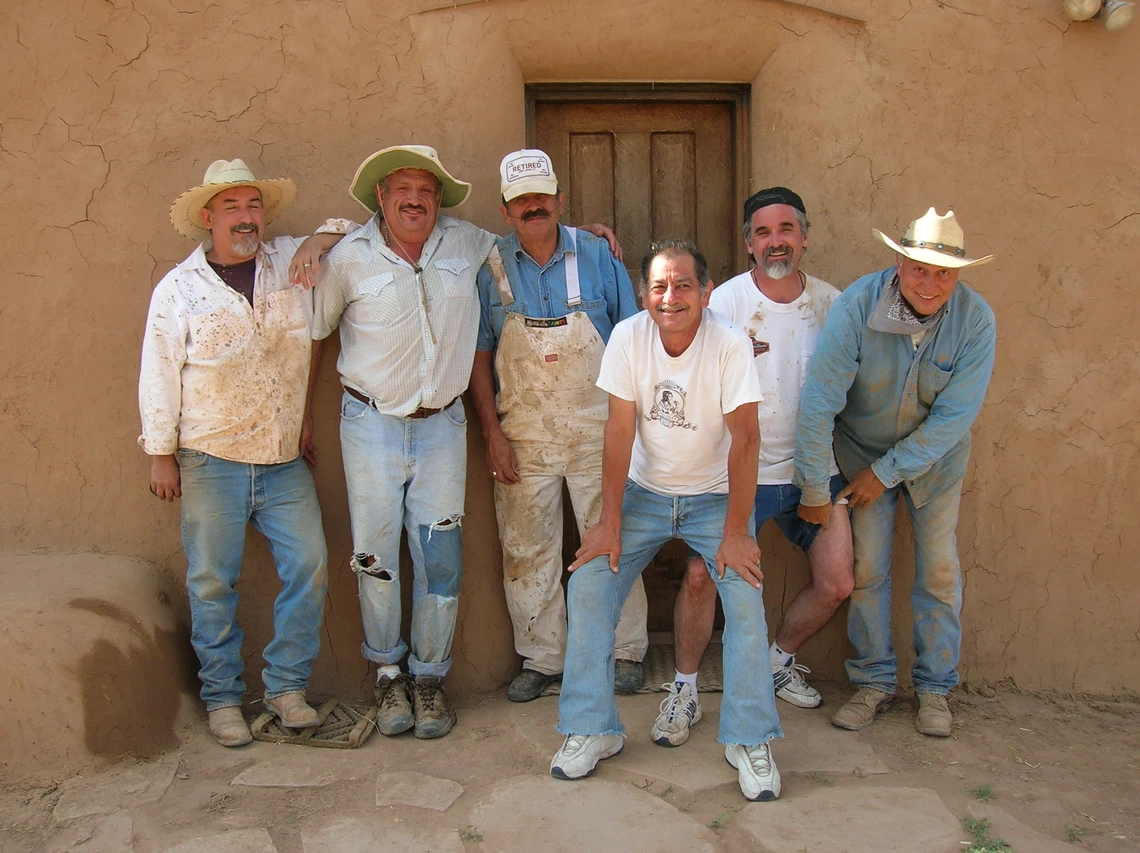
Parra’s latest venture has taken him to Mora, New Mexico, for what he calls “the biggest project of my life, to bring back this community.” The project—rebuilding Mora and surrounding villages after devastating wildfires destroyed over 1,600 adobe homes—reflects Parra’s commitment to the cultural and architectural traditions of northern New Mexico. He reports that only a few Mora residents have the skills to restore or build new adobes. “This is restoration and rebuilding on a massive scale,” he says. “It’s going to be a teaching-on-site kind of deal.”
But Parra is up to the task, pulling his old counterparts out of retirement, sending each one of them to a different community in the Mora Valley to share their knowledge and assist in reconstruction. “There is a blessing within the ashes,” Parra says, observing a growing zeal in Mora. “I’ve never seen so much positive energy come around in one place.” These communities are committed to rebuilding their past and embracing their heritage; Parra and his fellow mud men are answering the call. And they know its real purpose: “to be in community together.”