
David Riccio
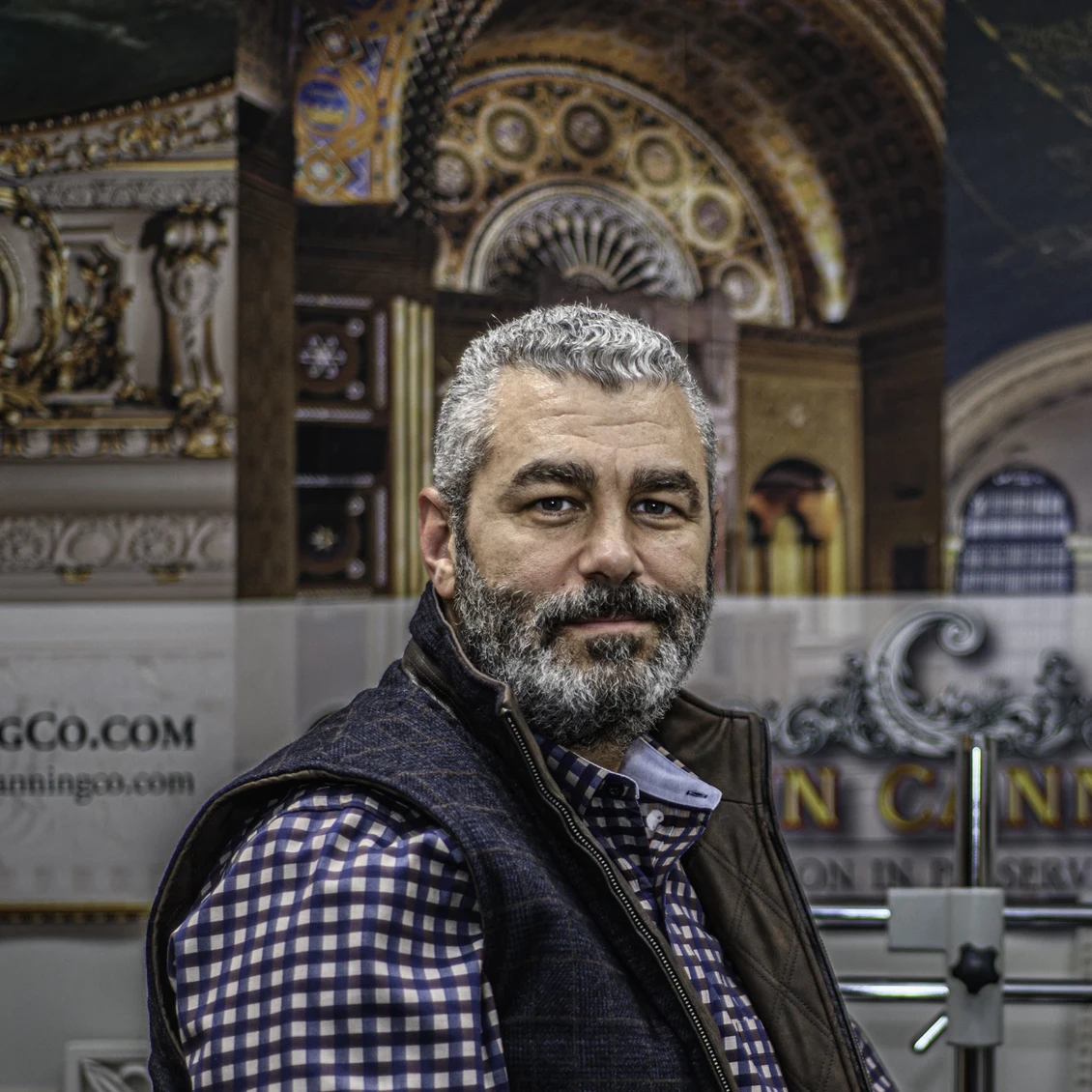
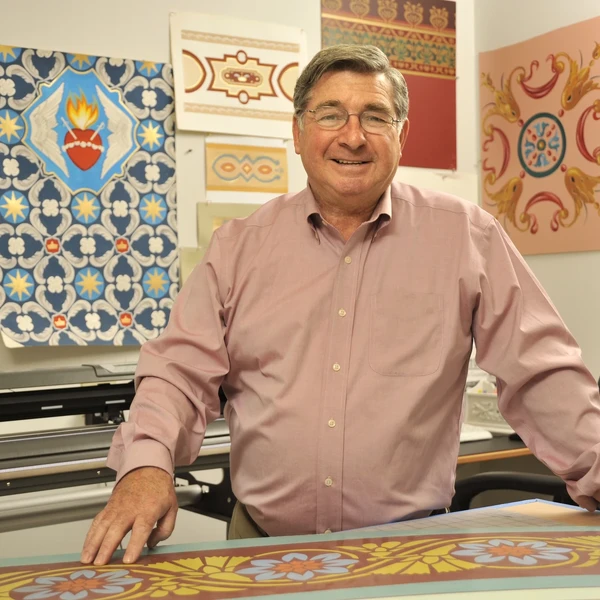
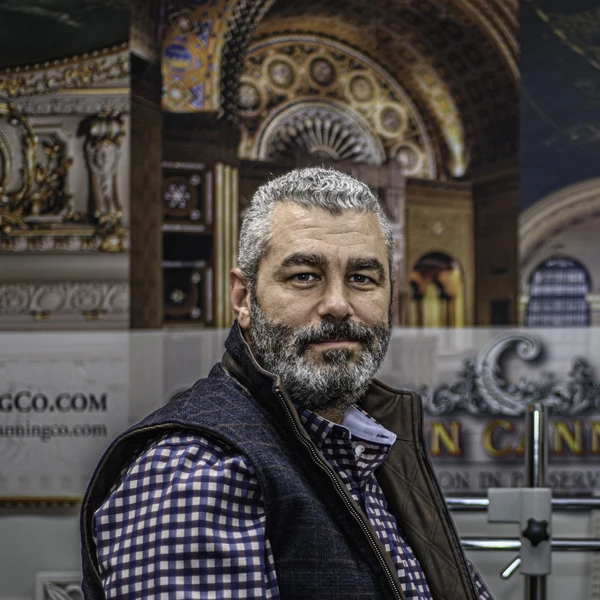
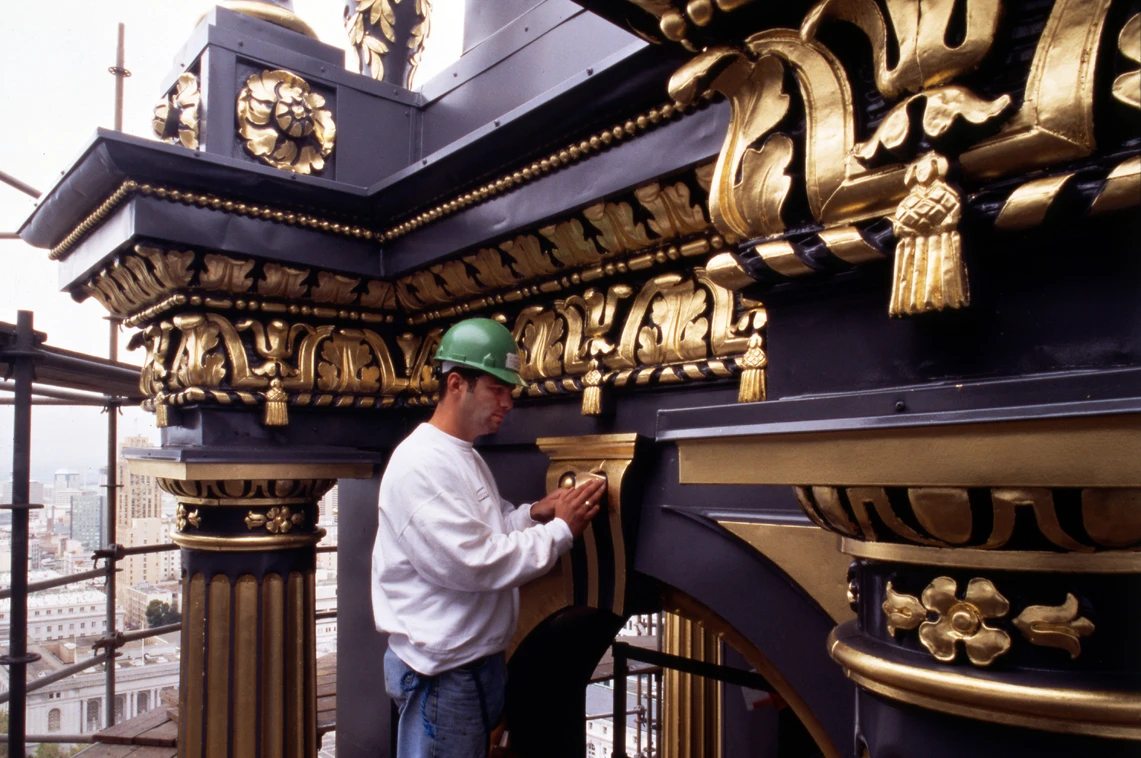
An expert in a wide variety of architectural arts from gilding to ornamental plastering, David Riccio is a principal and president of John Canning & Co., a renowned decorative arts studio specializing in the preservation and restoration of historic buildings. “If you learn these trades and skills, you will always be desired in the workforce,” he says of the need for skilled artisans in the preservation crafts.
Riccio continues a legacy of craftsmanship that goes back generations in his family. His grandfather and great-grandfather were furniture makers in Italy, and, after immigrating to the United States, his grandfather opened a furniture, upholstery, and cabinetmaking shop in New Haven, Connecticut. Riccio’s interest in pursuing the traditional trades was ignited when his family restored their 1900 home; he loved being surrounded by tools and helping his father on various building projects. “I had a knack for making things out of wood,” he says. “And I wanted to go to a technical school and become a carpenter.” His parents, however, encouraged him to go to college, where he majored in business management and marketing.
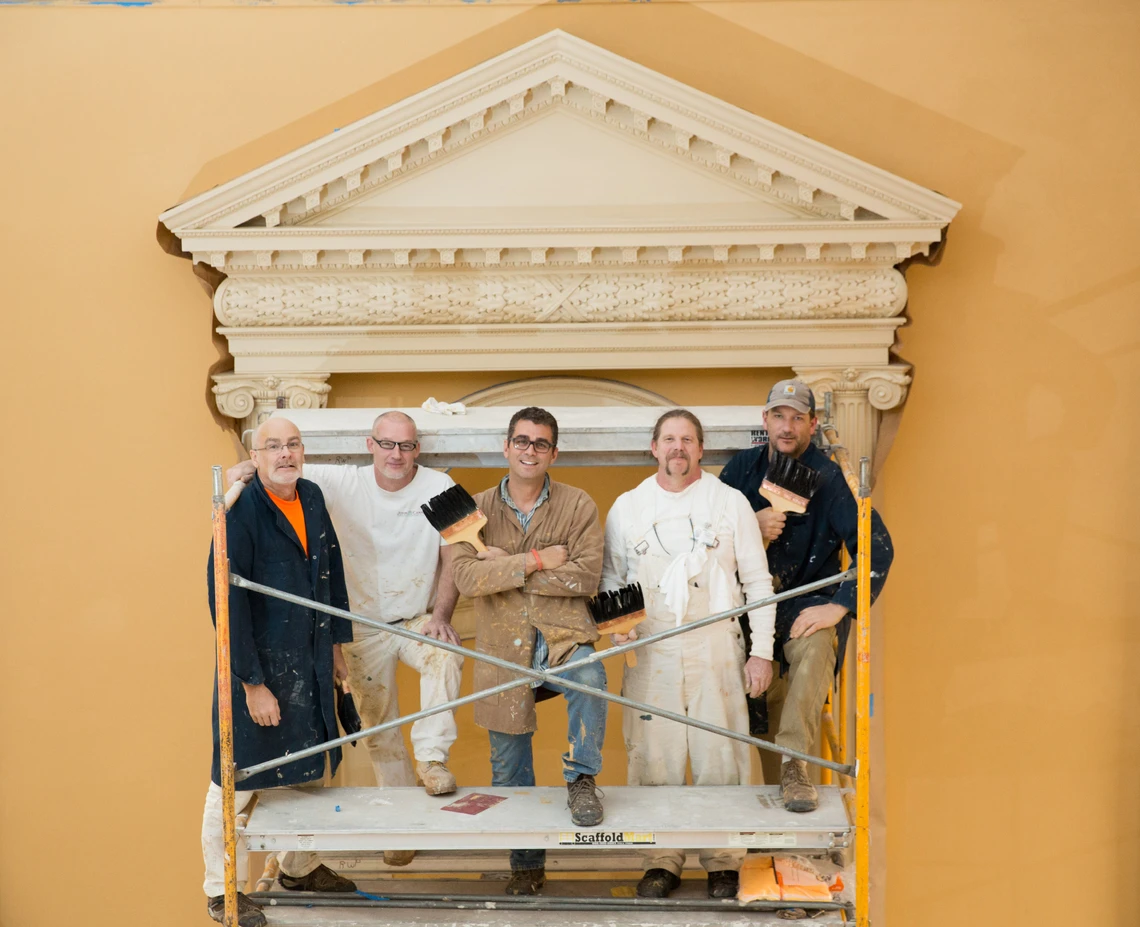
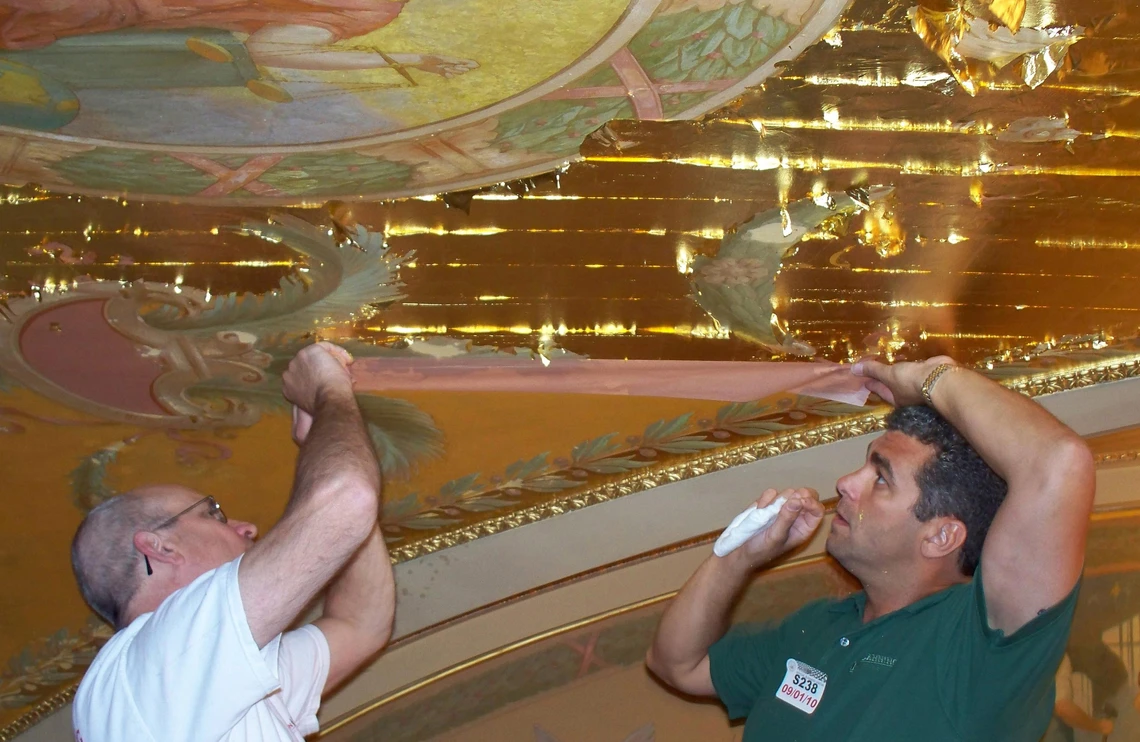
While working in marketing, Riccio met John Canning, a master decorative painter and the founder of John Canning & Co., and his daughter Jacqueline Canning, a journeyman decorative painter with the company. He started dating—and later married—Jacqueline and joined the studio in 1996. Eager to learn the trade, Riccio served an intensive apprenticeship in decorative painting. Over the course of three years, he spent 6,000 hours gaining hands-on knowledge of a broad array of architectural finishes and techniques, including marbling, stenciling, glazing, trompe l’oeil, gilding, woodgraining, and historic paint analysis. His most valuable training experiences came from working with John Canning and learning from his vast wealth of accumulated knowledge and skill. “He is a true master,” Riccio says, describing Canning’s ability to identify old finishes and original painting schemes and know exactly what is required to restore them.
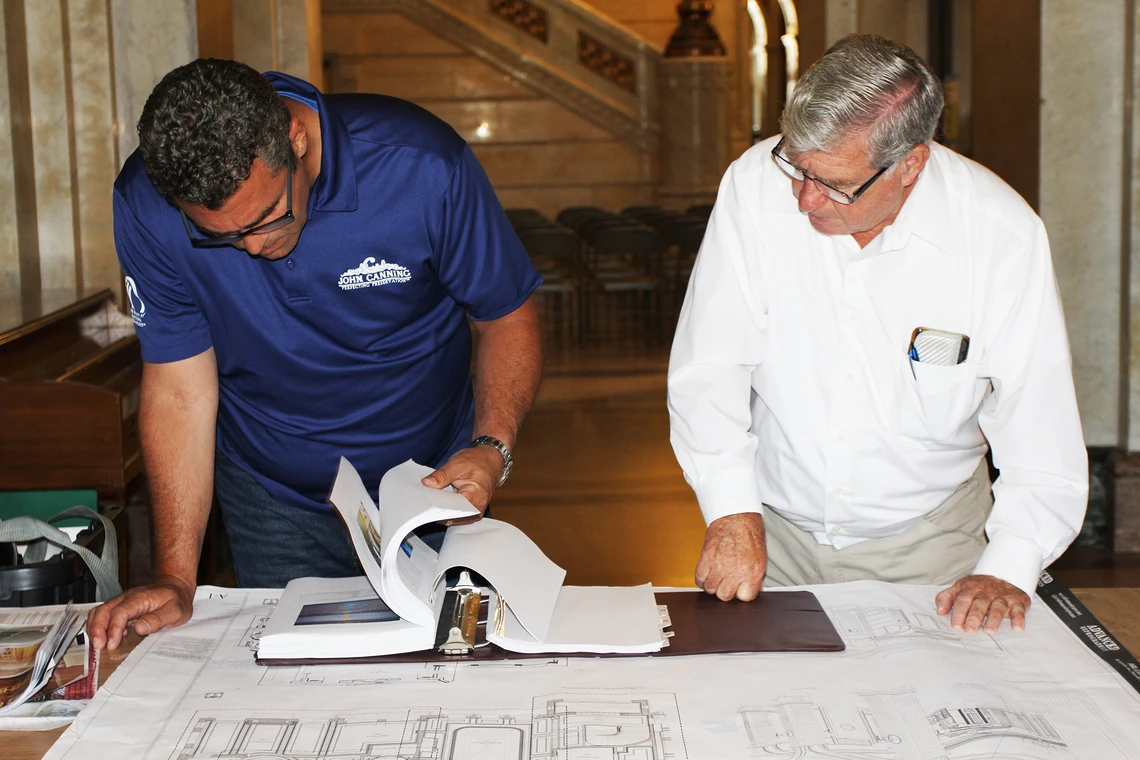
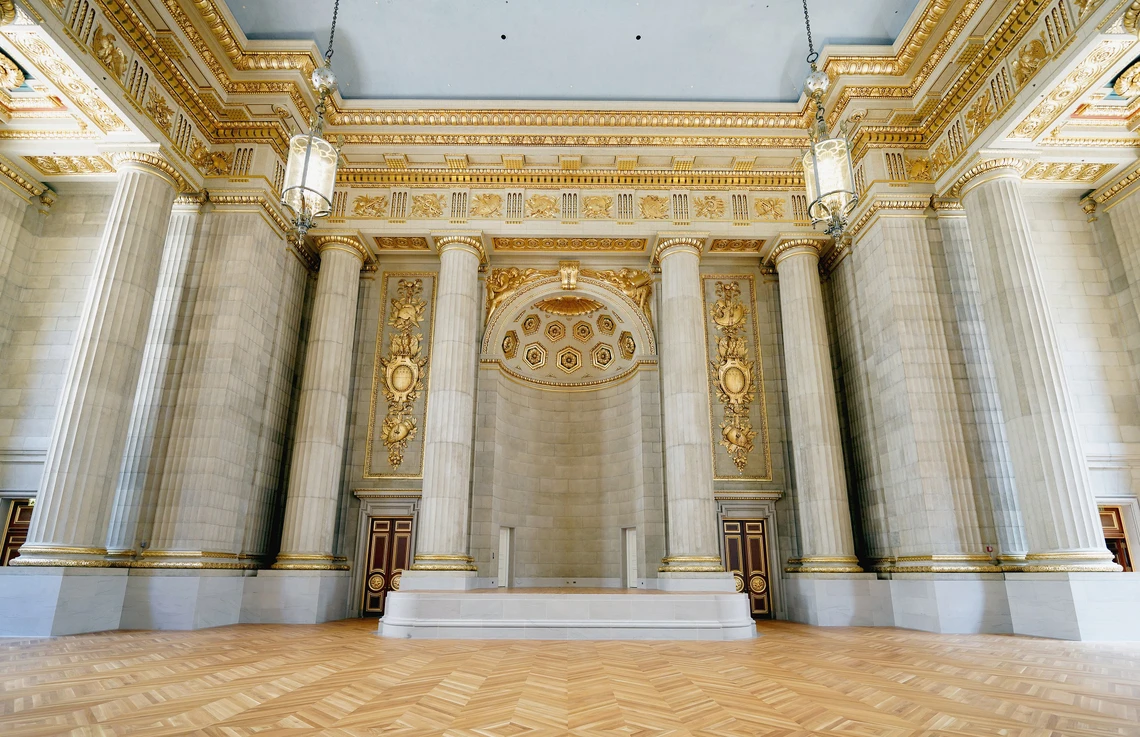
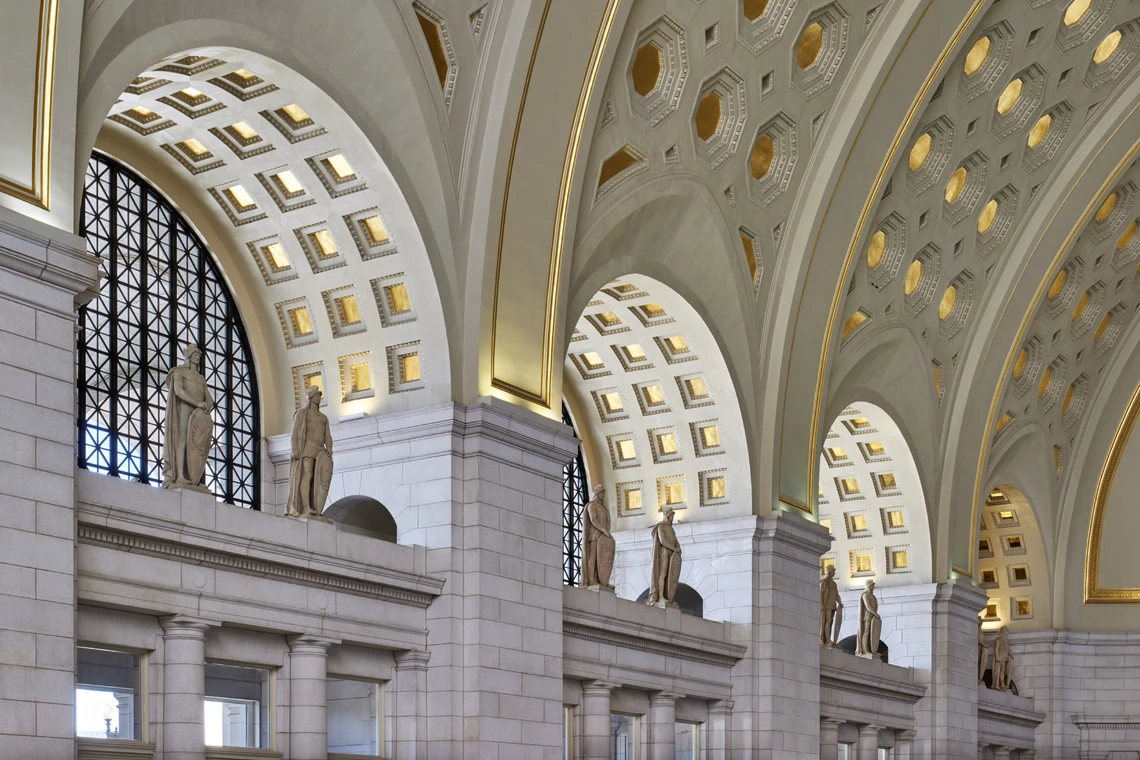
Riccio excels in project planning and management. He has directed some of the company’s most complex restoration and conservation projects, including the U.S. Capitol Building and Washington Union Station. He and the team at John Canning & Co. pride themselves in conducting extensive field research, careful documentation, and scientific paint analysis. Their goal is to uncover a historic building’s original decorative finishes and faithfully reinstate them using similar techniques and materials. The studio’s award-winning restoration of the Andrew W. Mellon Auditorium in Washington, D.C., is a prime example. “You cannot tell our work from the original, which is exactly what we want. It is a compliment,” he says.
Riccio has not only a passion for preservation but also a strong commitment to educating people about the importance of the traditional trades. A pivotal moment came when he was working on the restoration of a Catholic church in Connecticut. The priest involved in the project lamented the fact that the original altar—an elaborately ornamented thirty-foot-high Gothic Revival piece—had been torn down. “I told him we should build a replica,” Riccio says, “and he said, ‘Do people still do that? I didn’t think something that beautiful could be built today.’” Surprised to learn that the priest didn’t know there were contemporary artisans with the skills to authentically restore original historic decorations, Riccio resolved to take action. “At that moment, I realized that I have an obligation to educate people that these crucial trades are available and viable to them.”
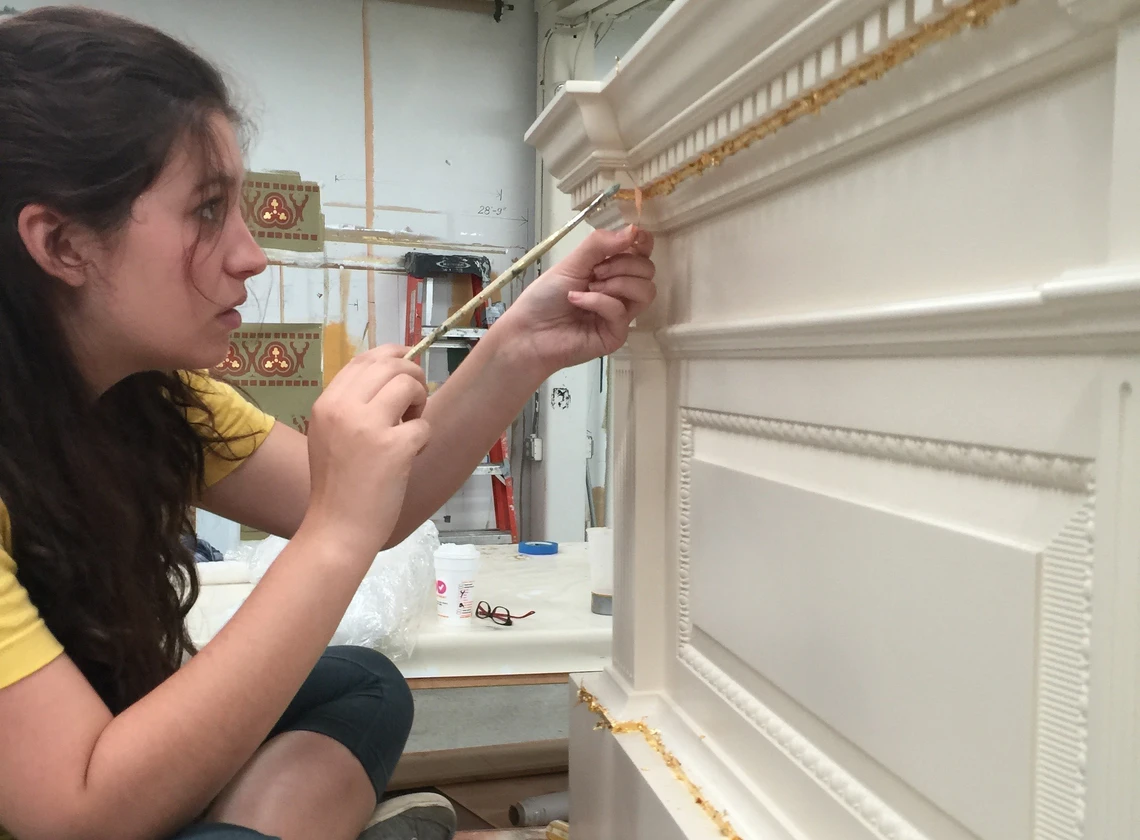
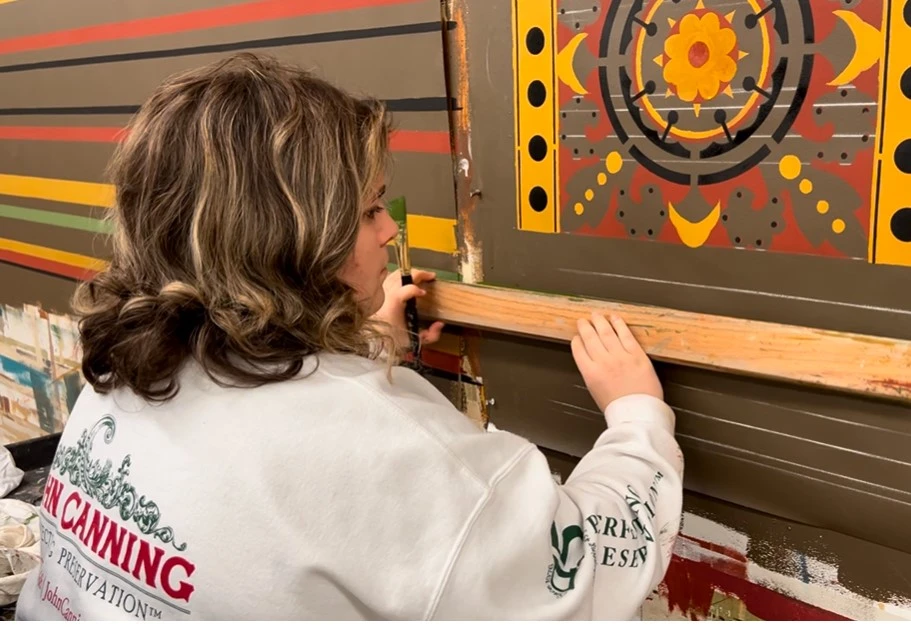
Dedicated to training the next generation of artisans in the architectural arts, Riccio employs young people passionate about learning and practicing the preservation trades. He and Jacqueline are proud that their daughters Isabella and Zoe Riccio, third-generation decorative painters, are working in the family business. “I want the trades we’re involved with to continue and get better,” Riccio says. “We want to keep talented people and perfect their skills every day.”
Learn More
-
Good Work: Masters of the Building Arts (film)
-
Next Generation Artisans in the Traditional Building Trades (2025 Festival)
-
“Artistry as Archeology: A Passion for Historic Preservation at John Canning & Co.” (Festival Blog)
-
John Canning & Co.
-
"Palladio Awards 2025, First Church of Christ — John Canning & Co., Ltd." (Traditional Building)