
Alicia Spence
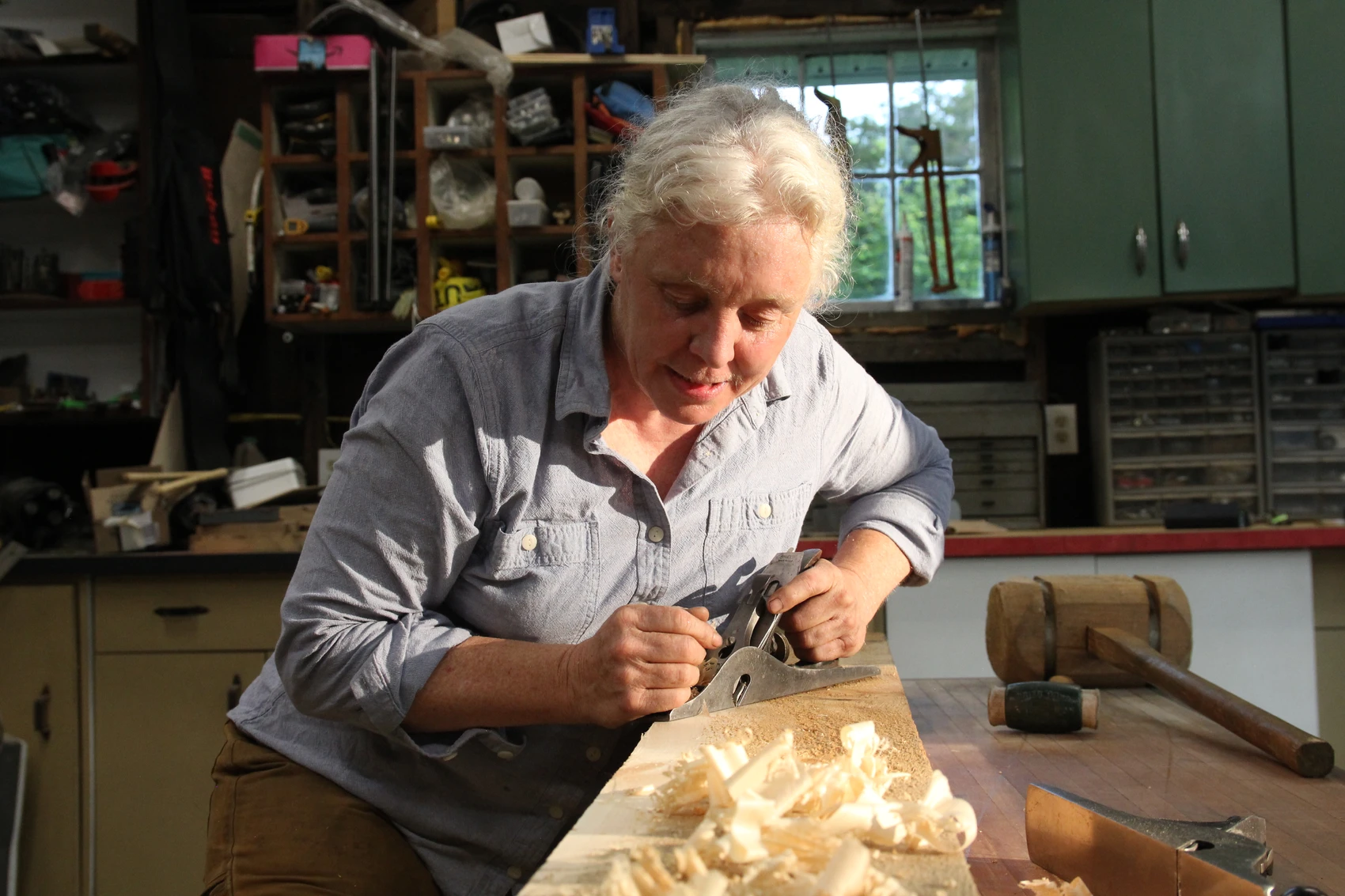
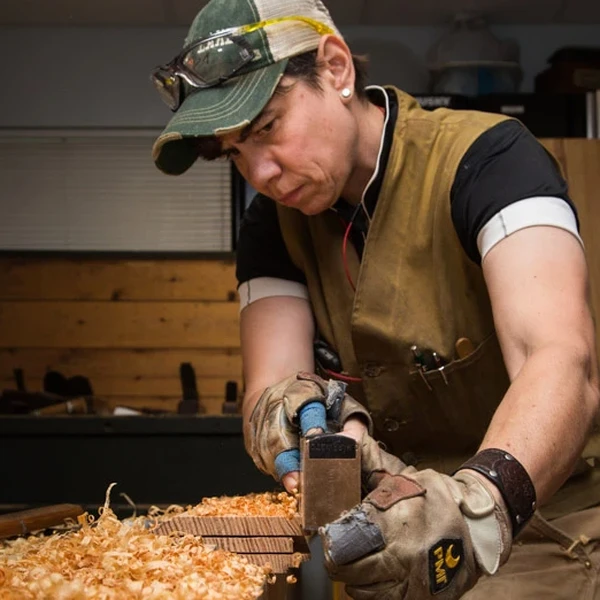
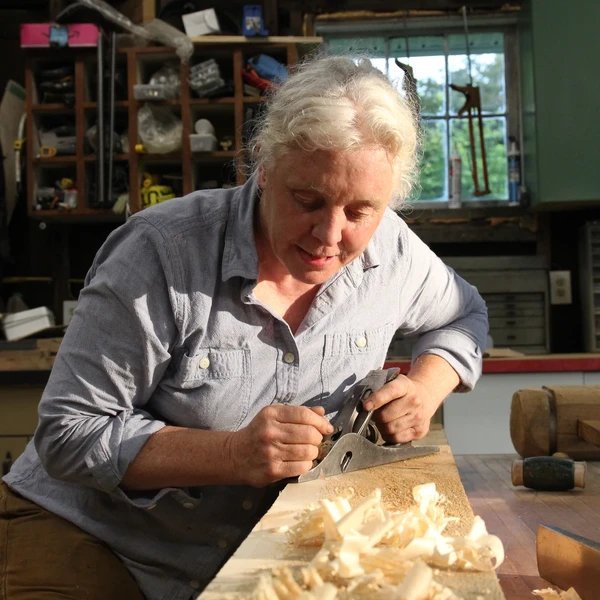
Alicia Spence is a Massachusetts-based independent timber framer who is invested in community work and volunteer projects. She is actively involved with the construction of timber frames in the United States and abroad while contributing to the continuation of the craft through initiatives for organizations such as the Timber Framers Guild.
Spence specializes in timber-framed homes, outdoor structures, and restorations. She especially enjoys working on projects that involve public interaction. Her long-time involvement with the Timber Framers Guild and its volunteer projects has allowed her to do what she loves most: share the craft.
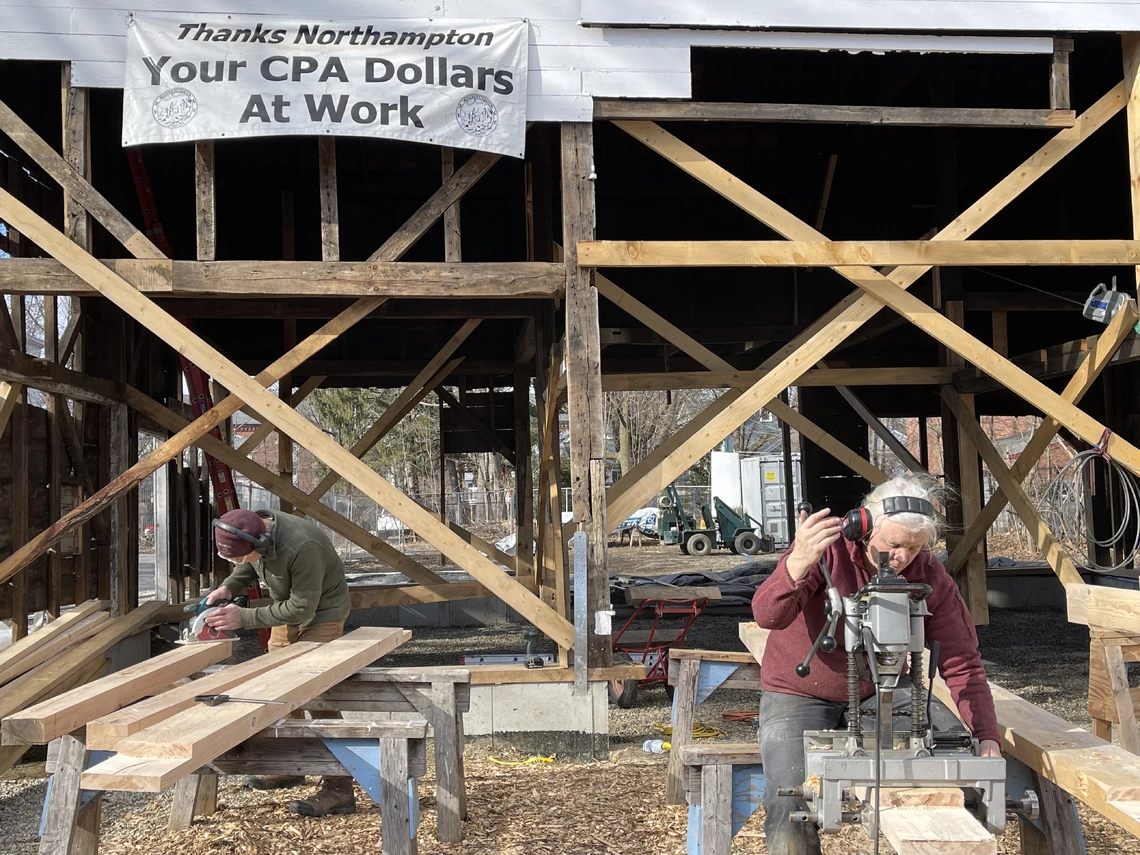
After graduating from college with a liberal arts degree, Spence began her journey to a timber-framing career by working in heavy timber construction in national forests and parks. After eight years of working in the woods, Spence wanted a change of scenery and began working for a cutting-edge timber-framing company out west. She first started off “pushing a broom” and progressed over the years to joiner and then shop foreman. Spence is known and respected for her extensive experience and skill as a project manager, but it is the hands-on work of constructing timber frames that she loves most.
“For whatever reason, I like to move heavy things.”
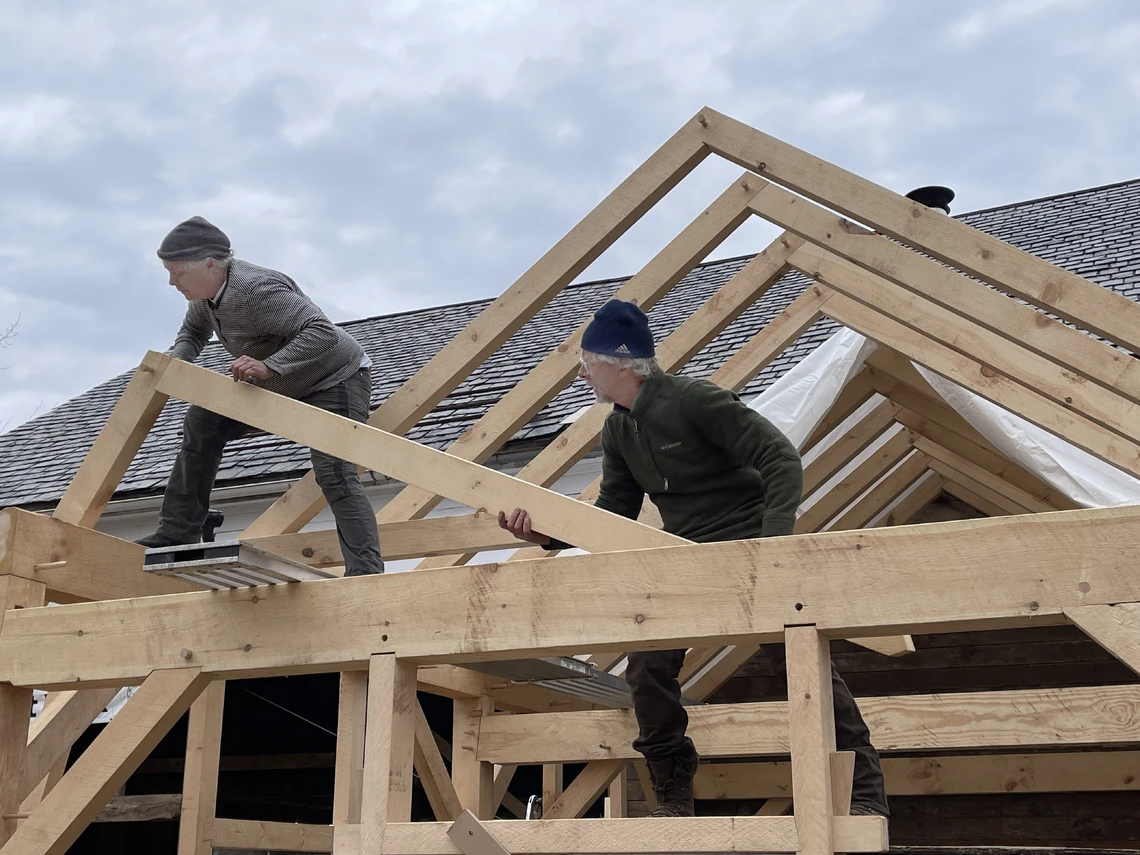
When asked about the tools of the trade, Spence notes, “You could probably build a whole frame with seven tools,” citing the importance of framing squares, chisels, and saws. She emphasizes that there is a certain rhythm required when working with your hands that allows you to be in tune with the material. “When you work with your hands, you basically have to work with your heartbeat.” While some traditional framers might reject tools of the modern age, Spence does not mind incorporating modern methods into her work. “I’m happy cutting something with an axe. But if the line is made with a laser, I’m good with that, too.” In a male-dominated trade, Spence underscores the importance of working smarter, not harder. A well-organized plan for moving things and keeping people safe is essential in framing a structure. You need “good design, good engineering, good materials, and a plan for making it happen well,” she says.
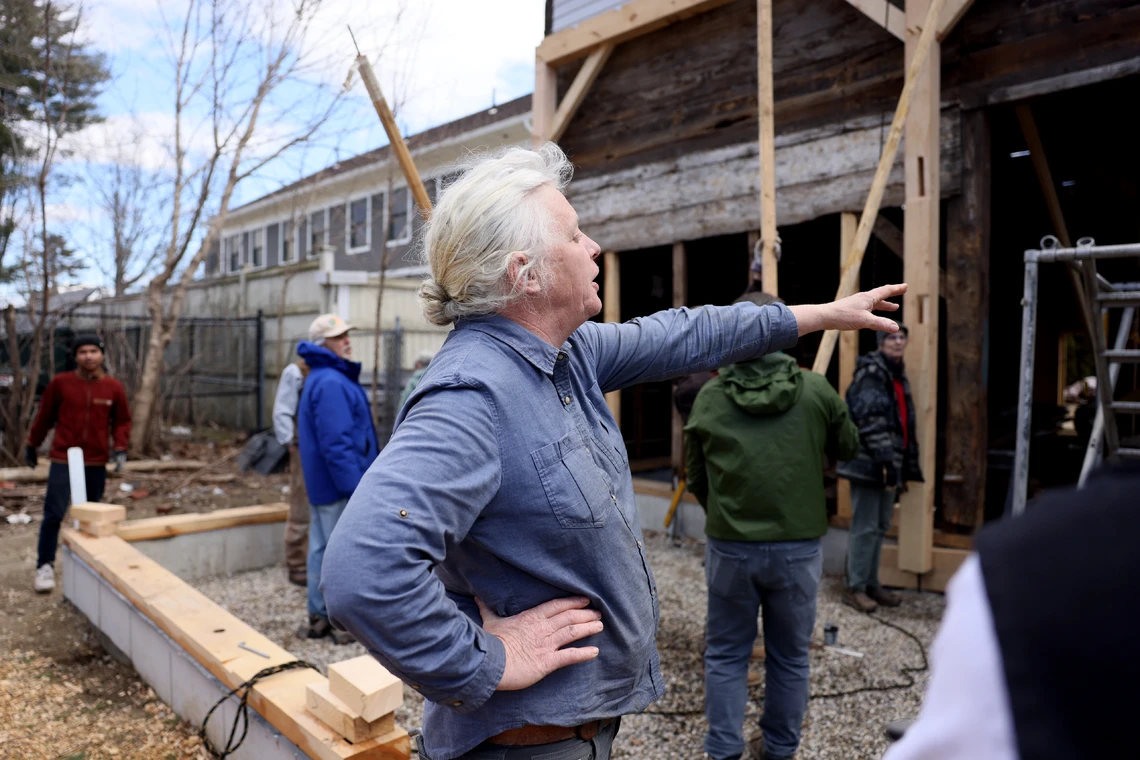
Much of Spence’s work is linked to the Timber Framers Guild and Handshouse Studio, a nonprofit organization that leads community-based projects. One notable project in which Spence played a leading role is the exquisite Gwozdziec Synagogue in Poland, a historic wooden synagogue that was destroyed in World War II. Over ten years of work and the involvement of countless volunteers and craftspeople the project culminated in a replica of the synagogue’s roof as a centerpiece for the POLIN Museum of the History of Polish Jews, located in Warsaw.
Spence also served as project manager for the Notre-Dame de Paris truss replica project in conjunction with Handshouse Studio and Catholic University, an undertaking that involved crafting an exact, full-scale replica of choir truss number six of the famous cathedral using historically accurate tools, materials, and methods, then raising the massive structure at Catholic University, as well as on the National Mall and in the National Building Museum during the summer of 2021.
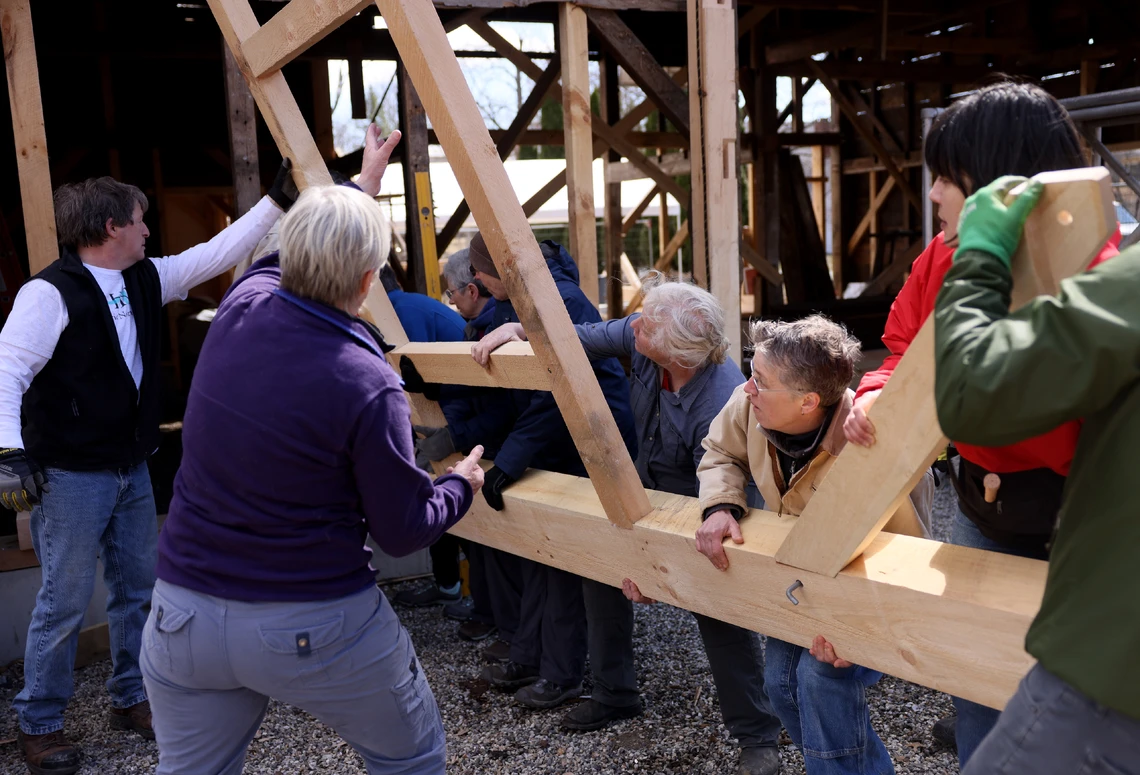
For Spence, what matters most about practicing her trade is engaging with community and coming together with others to work toward a common goal. Timber framing, she says, “is a complete metaphor for that collective energy of human spirit.”