
Gerald David
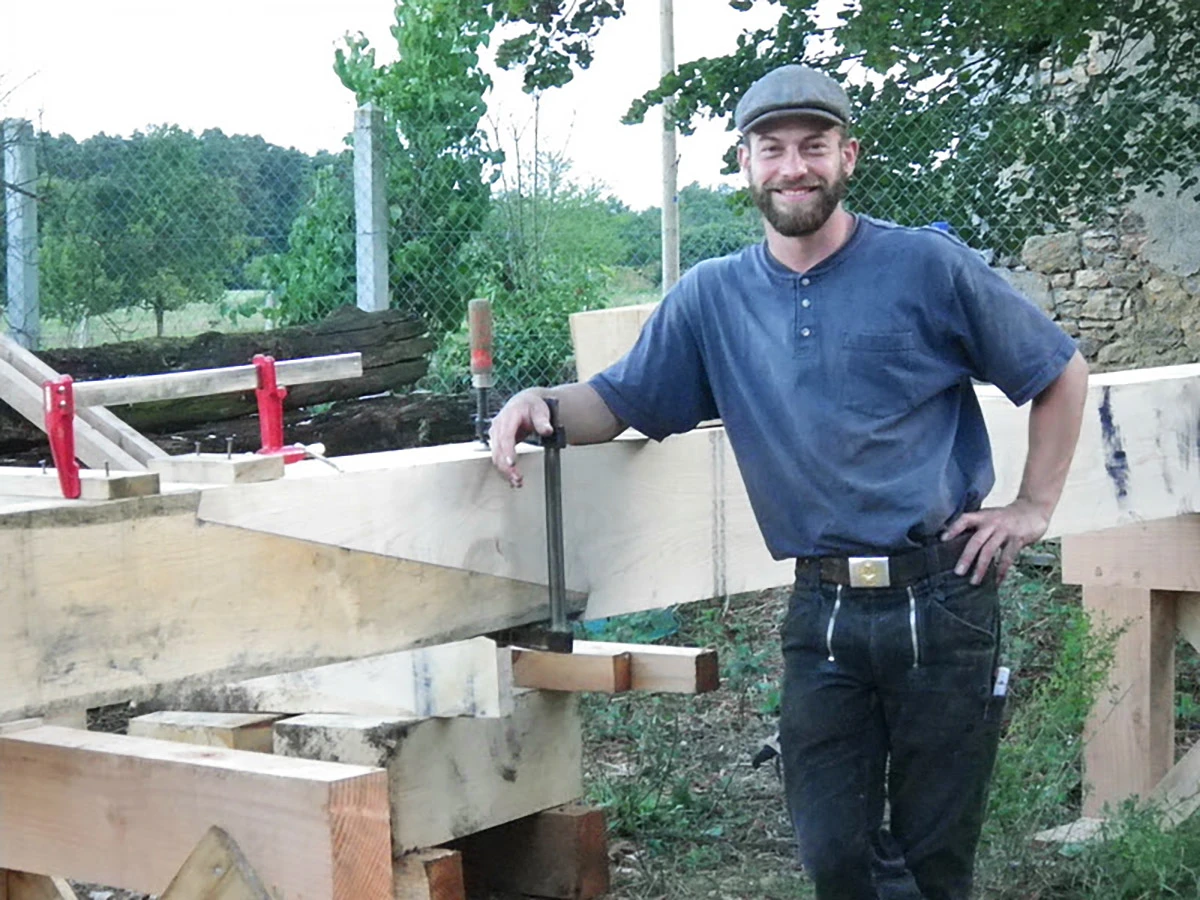
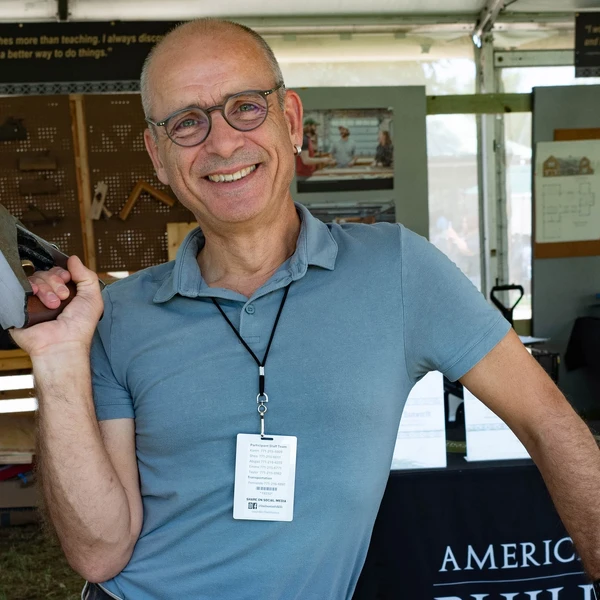
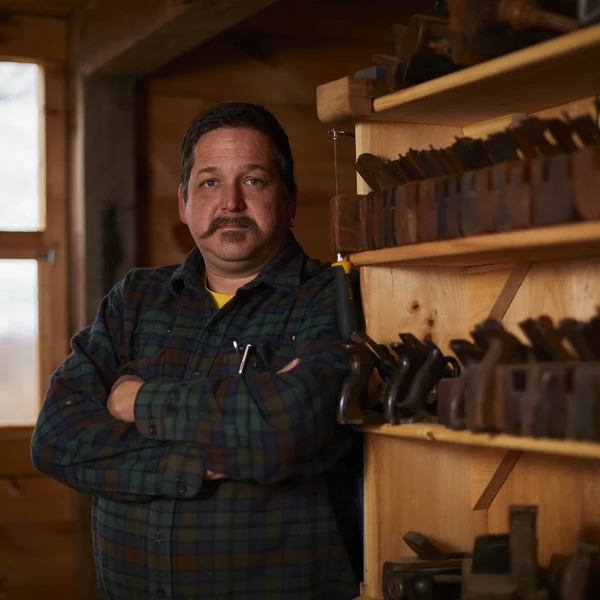
Gerald David is an expert timber framer and woodworker who has traveled the world building and preserving traditional timber frames. Today, David owns and operates Gerald F. David Woodworking in Duluth, Minnesota, specializing in timber-frame residential structures and restoration projects, and instructs timber-framing courses at the North House Folk School.
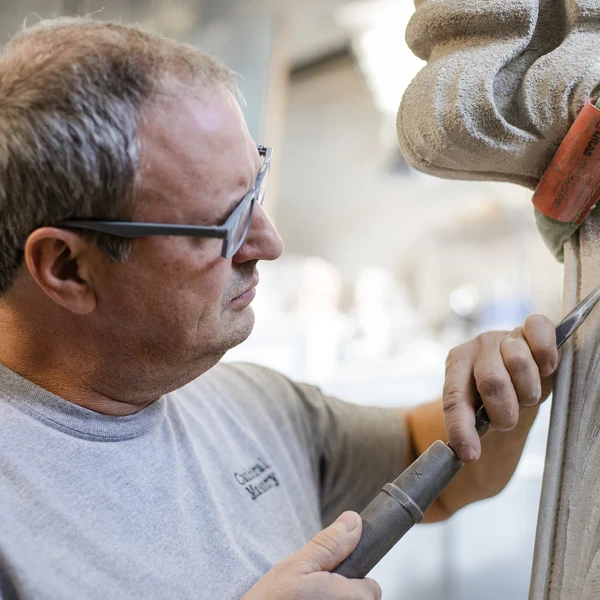
Born and raised in Aachen, Germany, David’s woodworking journey began after he completed three semesters of architecture school and realized he was “much happier and at home on the construction site.” He served a timber-framing apprenticeship in Aachen, gaining a broad base of woodworking knowledge. As an apprentice, he was able to work on the Aachen Cathedral, a UNESCO World Heritage Site and one of the oldest cathedrals in Europe, an experience that awakened his appreciation and love for restoration and preservation work. David admires the many skilled elder craftsmen he had the opportunity to learn from and values their regional craft traditions. “Someone who has lived in the trade for over fifty years, that is their culture; it is their profession,” he says. “They think in wood grain and in sharp chisels, sharp edges; they know their tools.”
After completing his apprenticeship and becoming a journeyman timber framer, David set out on his Wanderschaft, a centuries-old German tradition of traveling in one’s trade for three years and a day to broaden one’s knowledge and skills. His journey took him throughout Germany, France, Switzerland, and the United States, exposing him to different materials, tools, techniques, and styles of timber framing, expanding his cultural horizons.
“I have been very fortunate to have had many teachers.”
Upon the completion of his Wanderschaft, David moved to the United States in 2006 and settled in Plymouth, Massachusetts, working with preservation specialists and learning about the nation’s rich timber-framing heritage and traditions. He joined the Timber Framers Guild in 2008 and became actively involved in leading workshops and training opportunities around the country and abroad. His travels brought him to Vermont, where he worked for several years building and restoring log cabins and timber-frame barns. In 2014, David and his wife moved to Duluth, where he currently operates his own company, GFD Woodworking, and teaches German-style timber framing and other courses at North House Folk School.
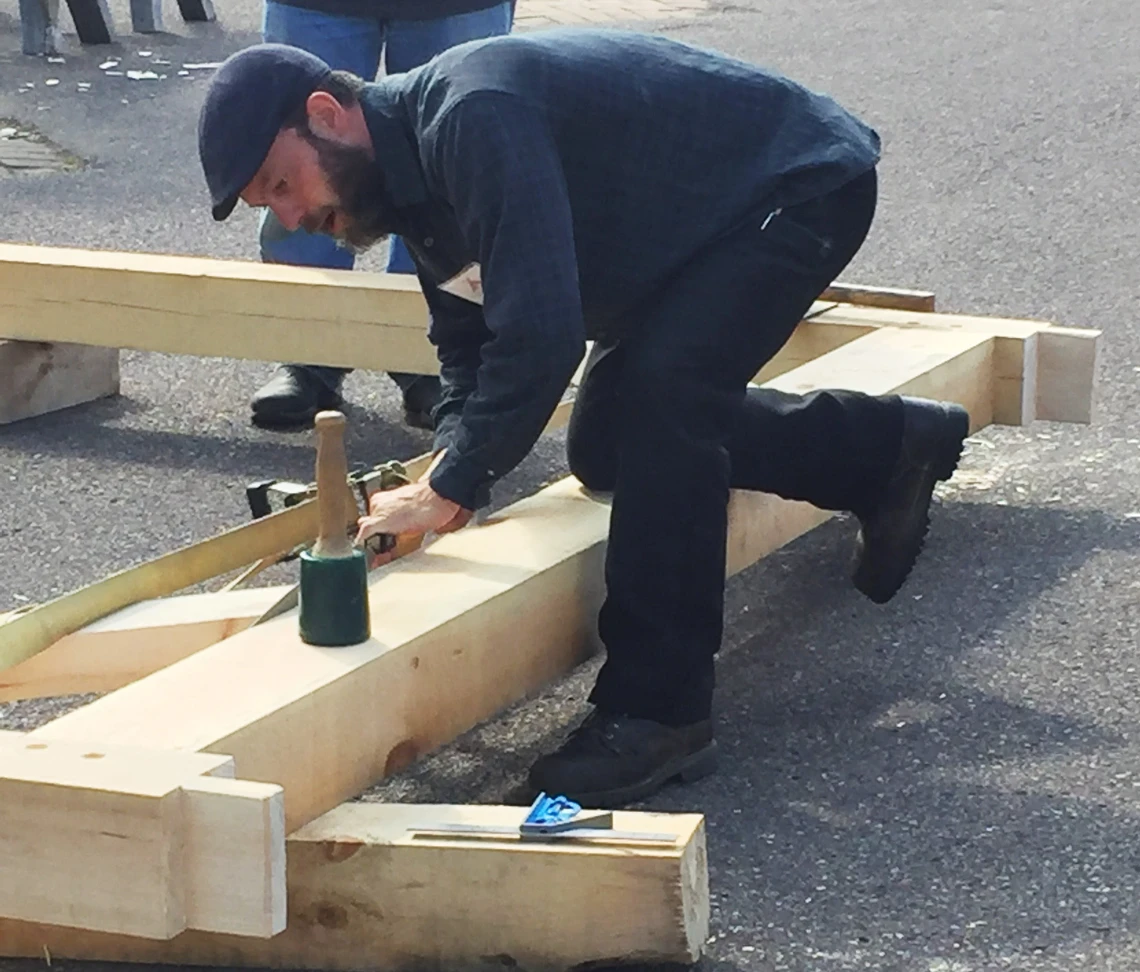
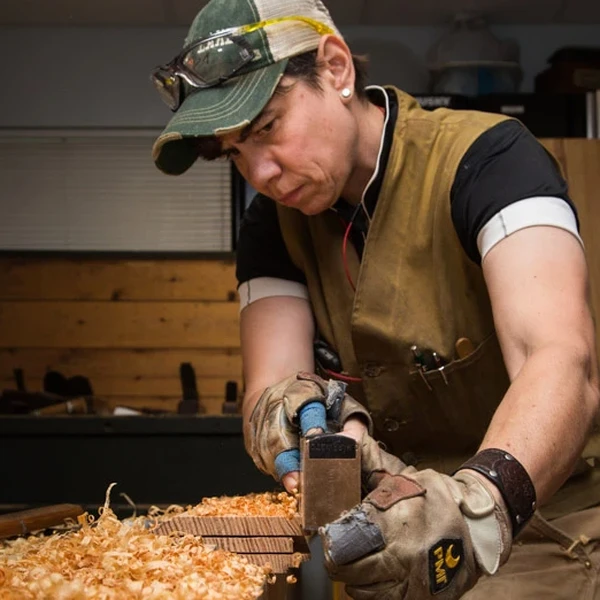
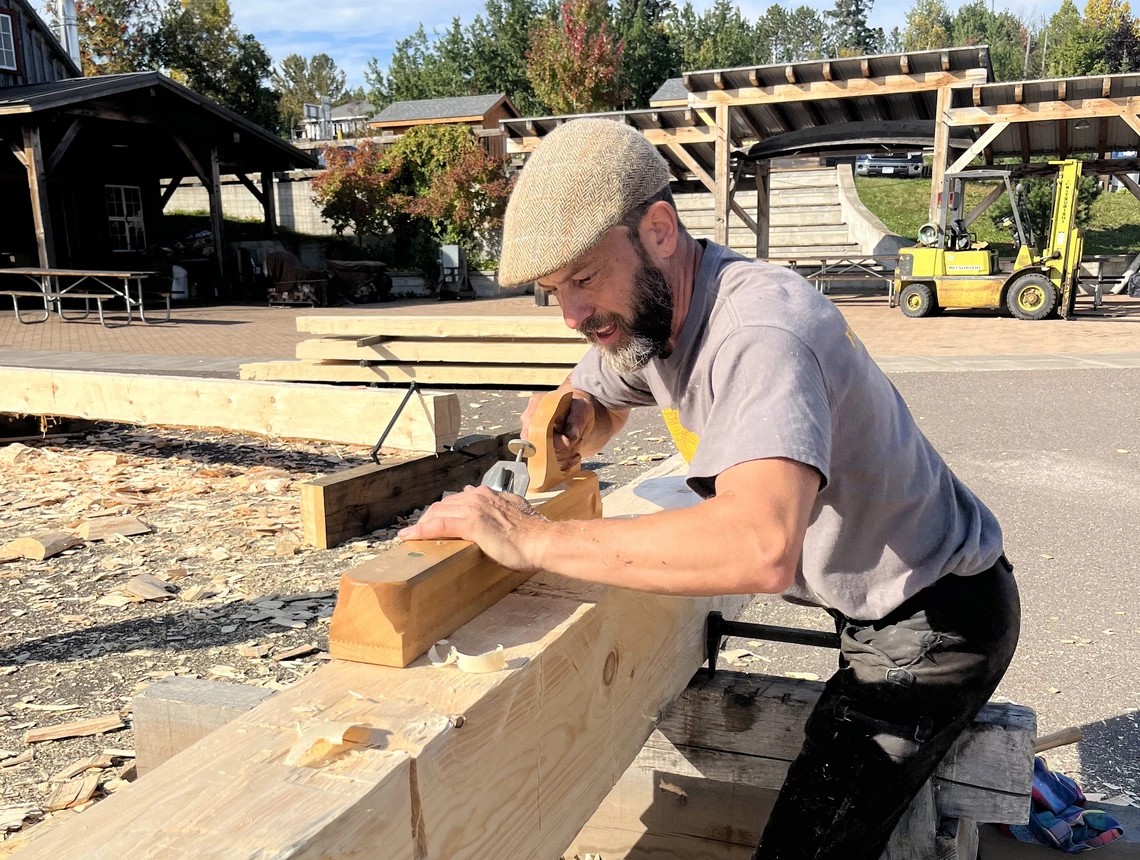
David believes strongly that he has a responsibility to educate the next generation of craftspeople. He strives to take on apprentices at GFD Woodworking and is committed to passing on his skills and knowledge, both “on the job site” and through formalized courses and workshops, sharing his love for “the beauty of wood joined to wood in an expert fashion.” When teaching timber framing, he likes to quote an old German saying: “Es ist noch kein Meister von Himmel gefallen”—nobody has dropped from the sky a fully formed master. In his work and teaching, he incorporates the use of traditional hand tools and considers the timber-framing square, hand saw, mallet, and chisels to be the “bread-and-butter tools” of his trade.
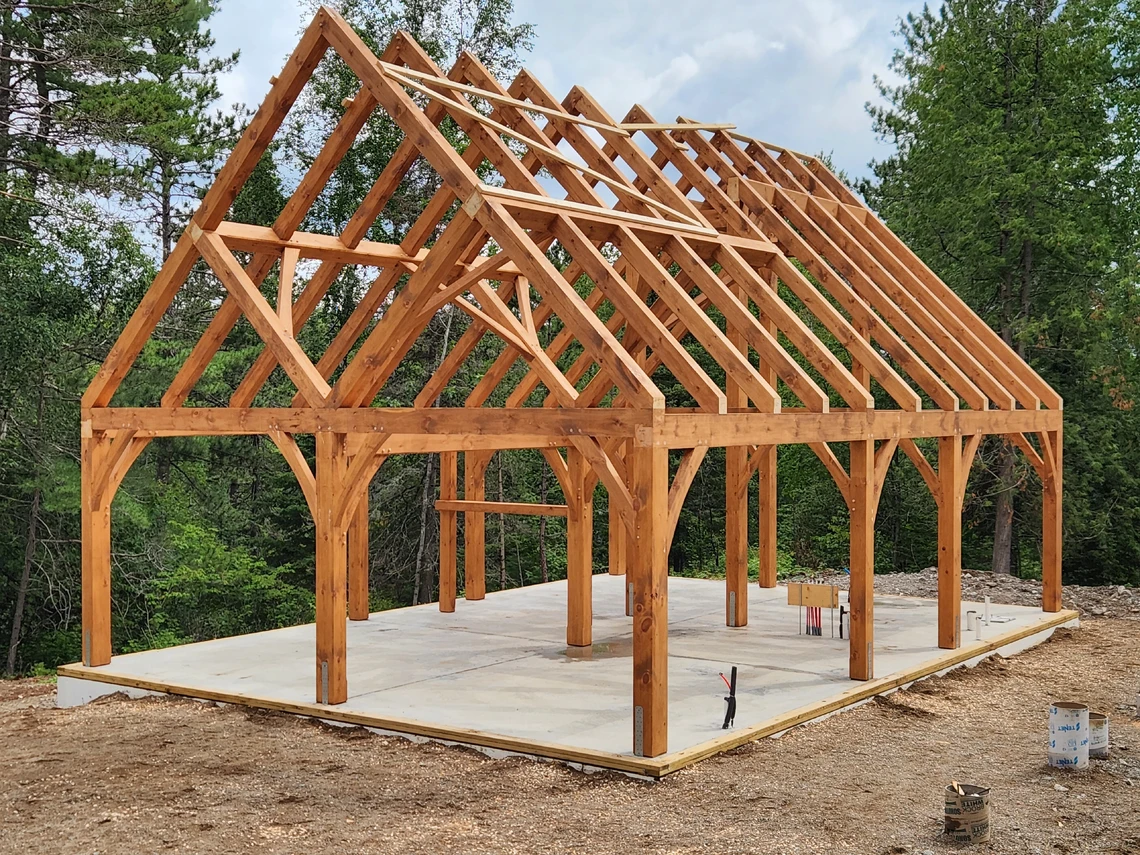
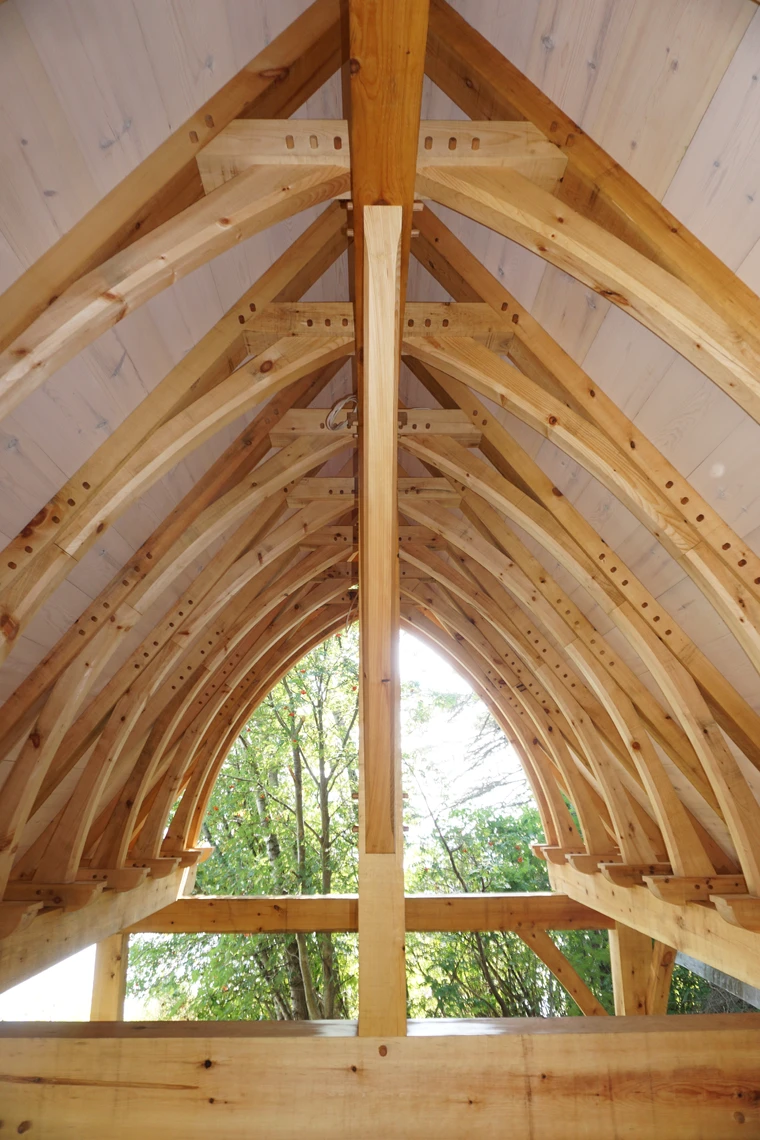
David has played a leading role in numerous rewarding timber-frame projects, including working with the Timber Framers Guild and Handshouse Studio to craft a replica of the roof the Gwozdziec Synagogue, a traditional Polish wooden synagogue destroyed in World War II, for the POLIN Museum of the History of Polish Jews in Warsaw. He worked with a team of timber framers and students to craft and raise a full-scale reconstruction of a medieval choir truss for the Notre-Dame de Paris project using historically accurate tools, materials, and methods. He also helped to restore the African House at Melrose Plantation in Louisiana with the National Trust for Historic Preservation’s HOPE Crew.
David approaches restoration and preservation work with patience and a careful eye. “What makes good preservation in my mind is unhurried observation. You have to take your time with the structure…. You have to give your best interpretation on how it was built, looking at the tool marks that are on the timber, maybe even finding out what type of blade was used to hew.” He enjoys the creativity and challenge of finding solutions to the “fun puzzles” that restoration work presents.
With extensive field experience, sharp skills, and a love of teaching, David works to preserve and pass along a long legacy of excellence in traditional timber framing. He values the continual learning and growth that practicing his craft brings. “You’re always evolving, you’re always learning, you’re always thinking,” he says.