
Matthew Garton
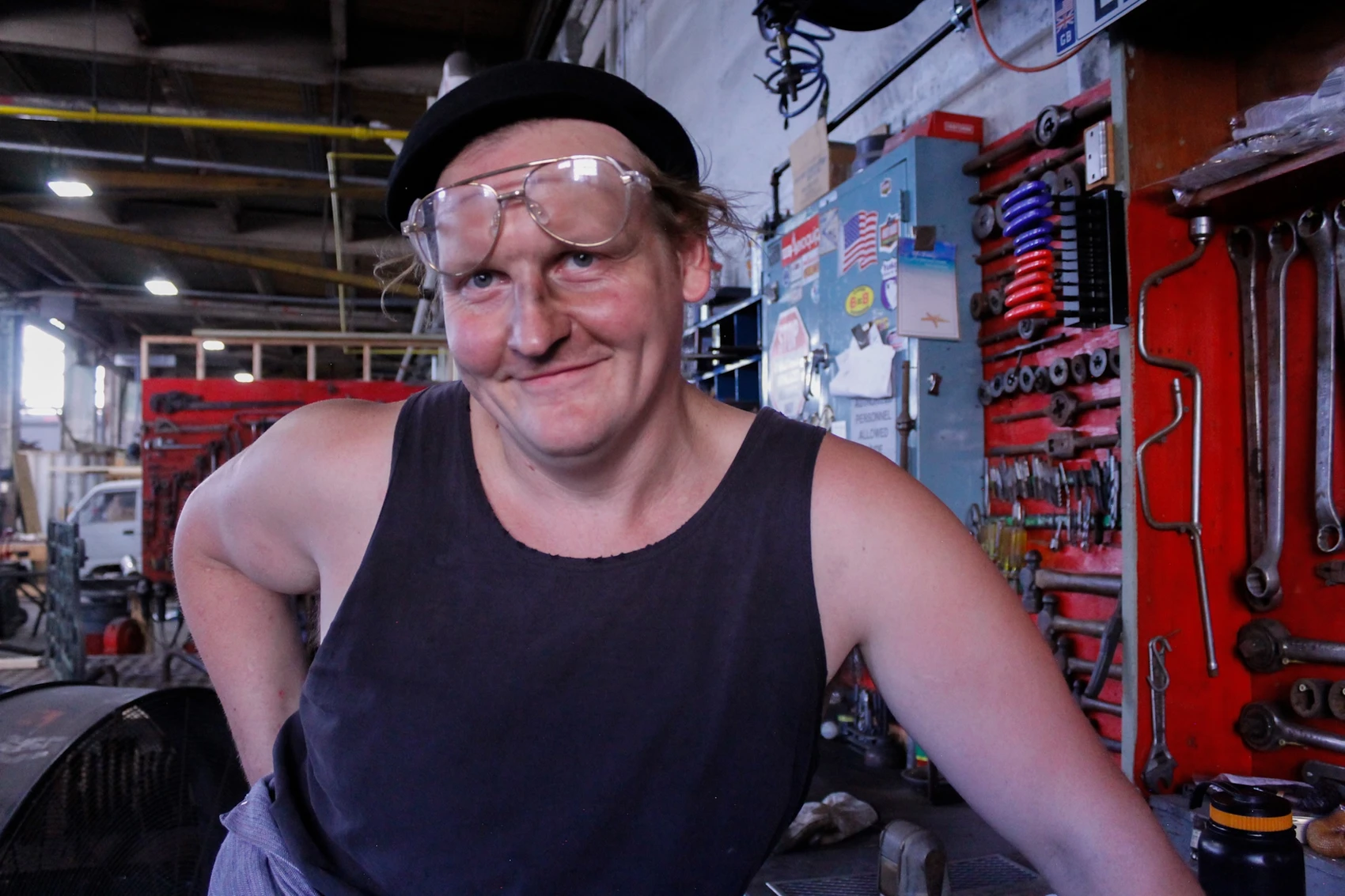
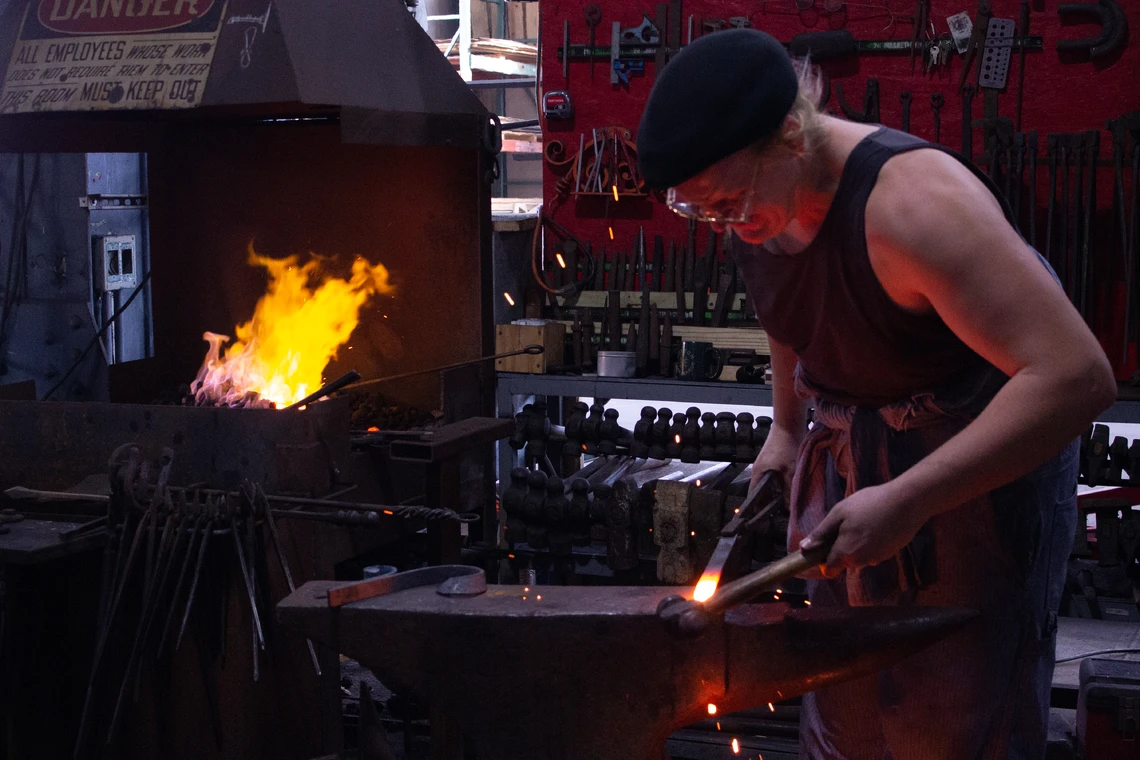
If the blacksmith shed outside his childhood home on the south coast of England is any indication, Matthew Garton was destined for the forge. A talented blacksmith and inspiring teacher, Garton specializes in hand-forged metalwork—from crafting contemporary creations to repairing and replacing traditional historic ironwork. After learning from master smiths around the world, Garton now teaches the trade to the next generation of blacksmiths as chair of the blacksmithing department at the American College of the Building Arts (ACBA) in Charleston, while continuing to work as a master blacksmith at Robert Thomas Iron Design and at his own shop, Sparkes & Co. Blacksmiths.
Before becoming a craftsman, Garton worked as a cook for a factory in England, unsure of his career path. When a colleague told him, “You look like a blacksmith,” the idea stuck with him. “Something fired in my brain. It was like, ‘Yes, that’s it!’” Garton first went to Plumpton College to try his hand at forging metal. While there, he introduced himself to a skilled local blacksmith named Ben Autie and began apprenticing one day a week in his 300-year-old brick forge, dedicating himself to learning everything Autie had to teach him. Garton then attended the National School of Blacksmithing in Hereford, England, and the Hereford College of Arts, graduating with a bachelor of arts with honors in artist blacksmithing.
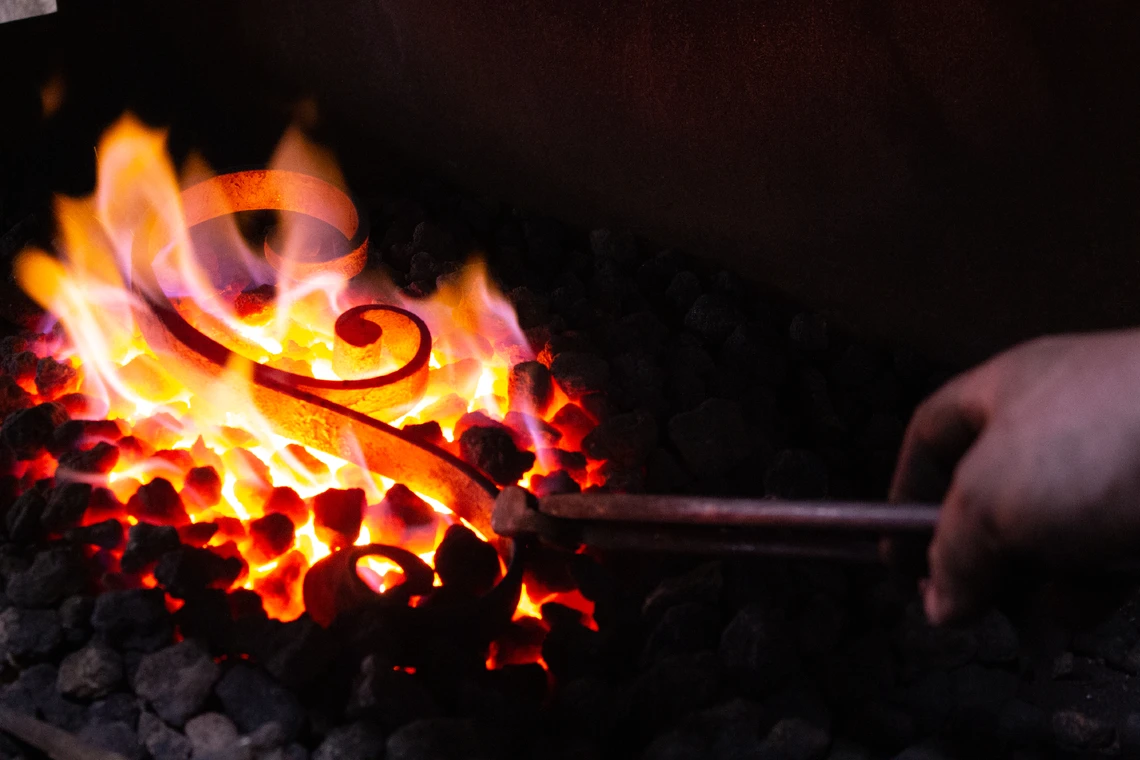
Eager to gain as much experience and knowledge as possible, Garton worked at “a different place every holiday,” traveling from forge to forge all over Europe to study with different master blacksmiths, honing his metalworking skills, and picking up new tricks of the trade. “Most everyone kind of works in a different way, they have their own way of doing things,” he says. “It’s a bit like learning a language, but you don’t quite know the accent or dialect.”
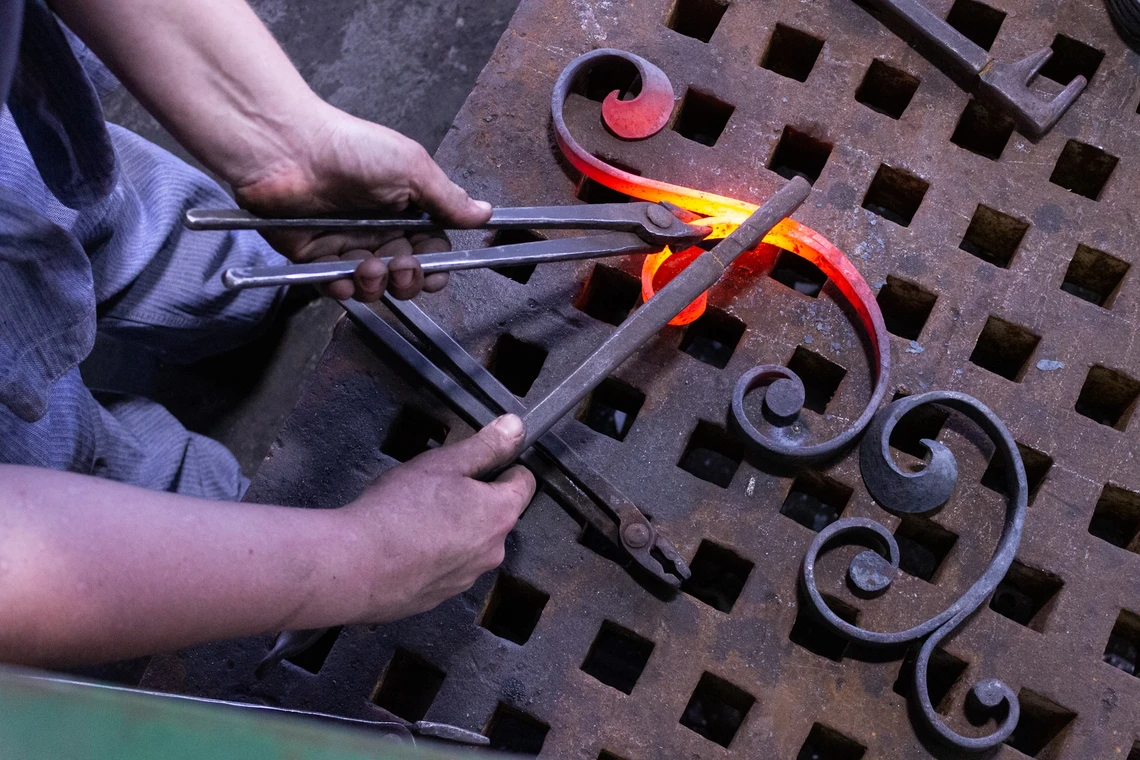
In 2017, Garton landed in Charleston, South Carolina, working together with Hereford College classmate and friend Robert Thomas at Robert Thomas Iron Design, producing everything from modern stairway railings to elaborate hand-forged gates. ACBA then recruited Garton to teach blacksmithing. Despite initial hesitations, he embraced the challenge and went on to become the chair of the department. Garton builds commitment in his students and affords them the opportunity to spend as much time at the forge—“on the hot”—as possible. “Some people just take to it,” he notes. “It takes a certain kind of individual to show up every day and do that kind of work over and over again.”
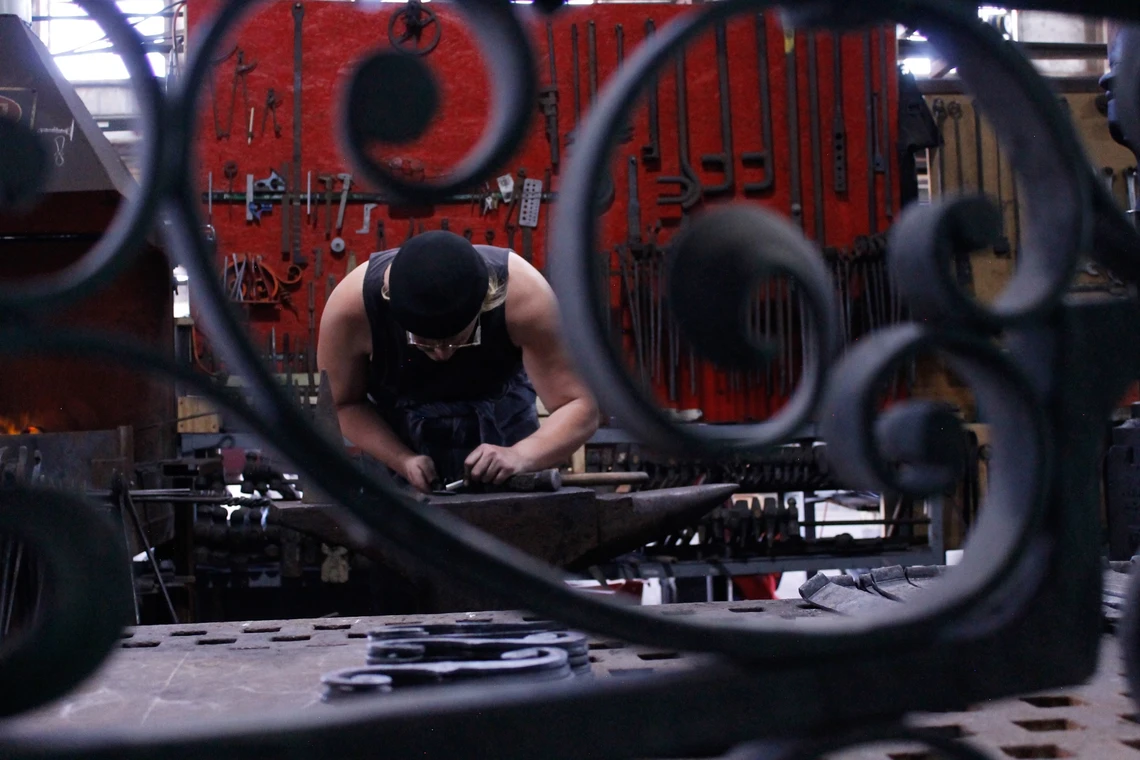
He begins by teaching students how to light a fire, how to judge the heat, and then gives them a basic understanding of the tools and techniques, stressing that shaping hot metal is a matter of moving material rather than removing it, like in stone carving or woodworking. “It’s a big mountain to climb at the beginning,” he says. “It’s not something you can sit down and learn in a book. You’ve got to get your hands on it and do it.” The reward for hard work and perseverance is priceless: “With very simple tools and a little bit of know-how… you can basically make something out of nothing.”
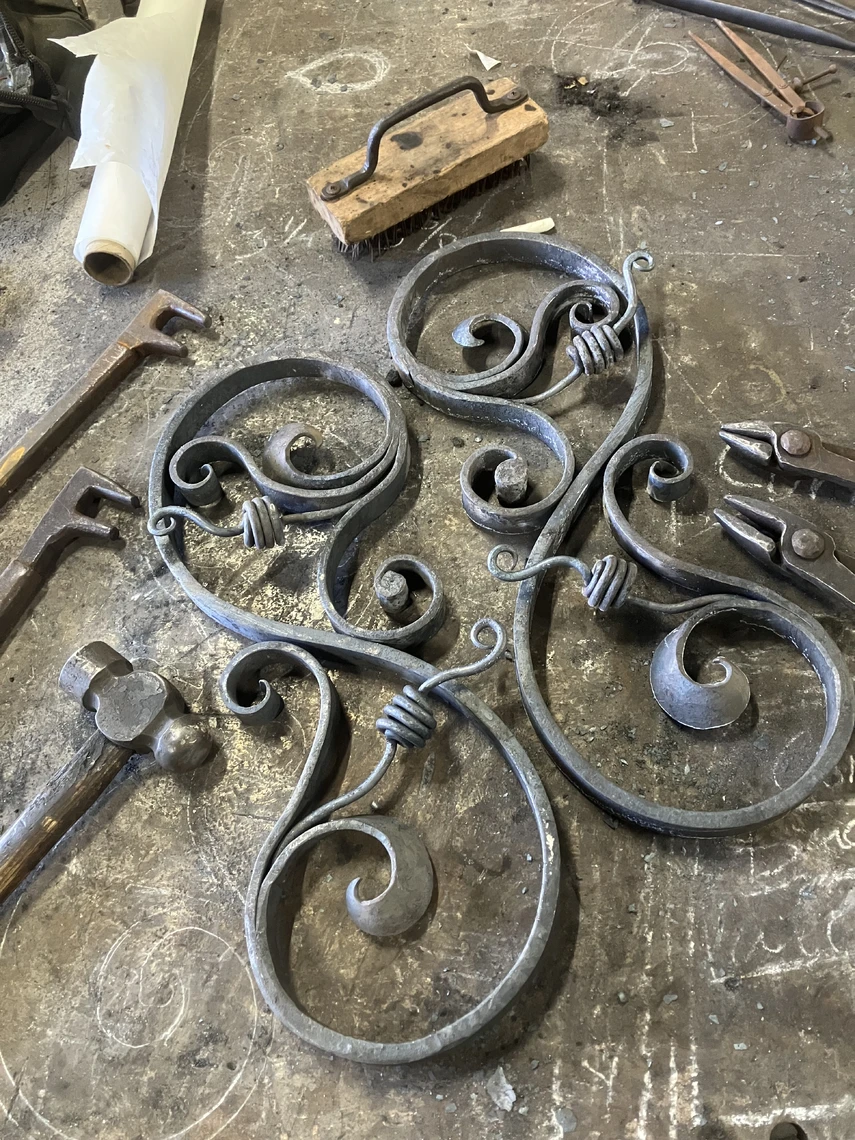
Garton anticipates that blacksmithing will remain a vital trade because the market for the “real deal” will always persist. “People who make things are in demand,” he says. He feels incredibly encouraged by the talented young people he is mentoring at ACBA. “Teaching these skills the way they have been taught for centuries, as well as having the opportunity to pass on knowledge and set an example for others just getting started in blacksmithing—it’s been a joy.”