
Sebastian Martorana
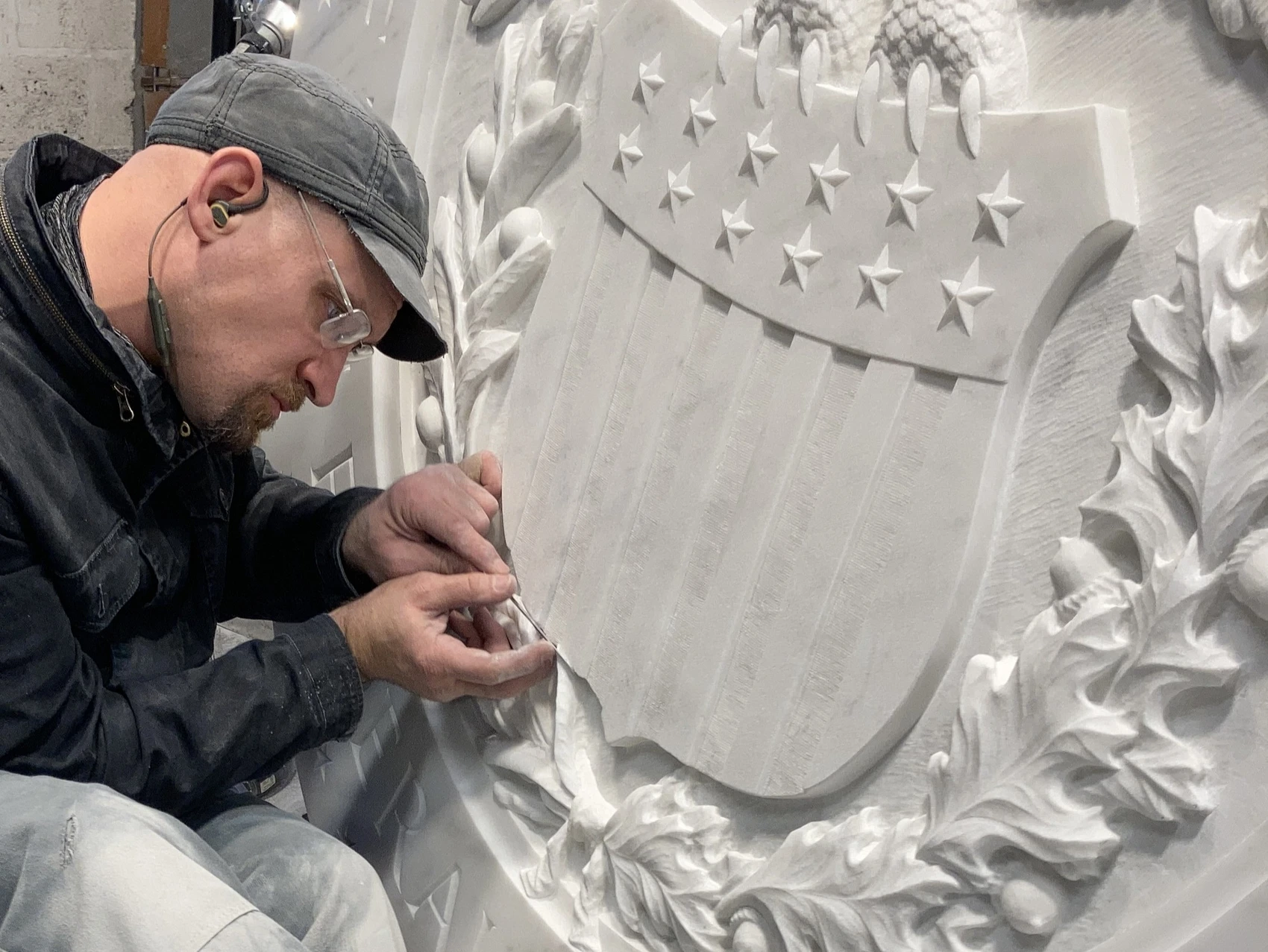
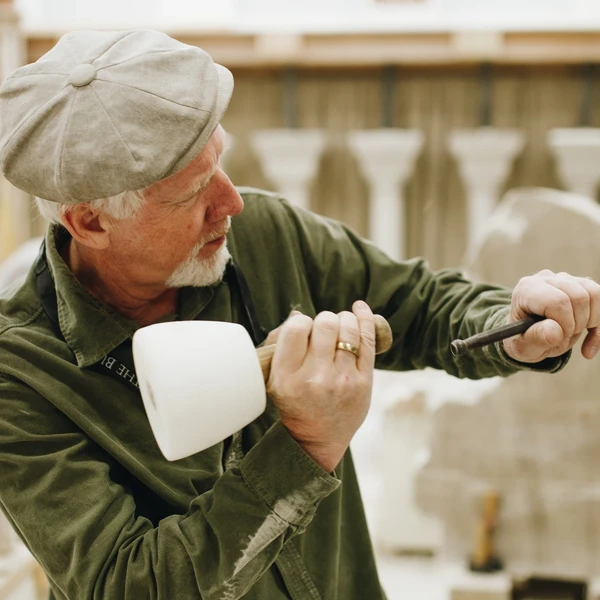
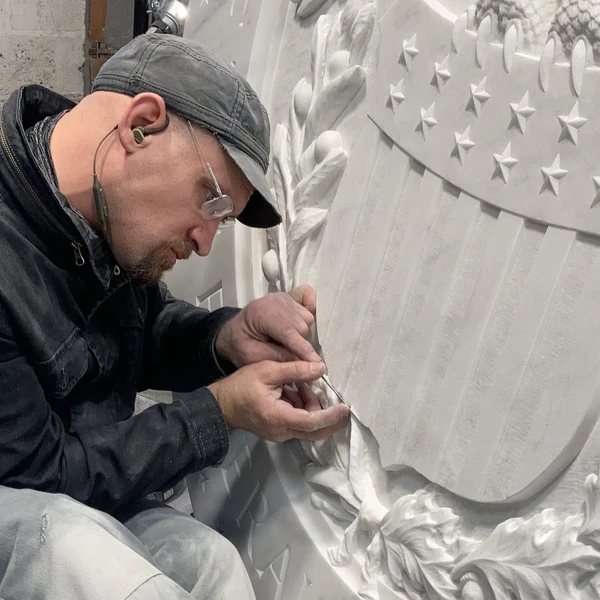
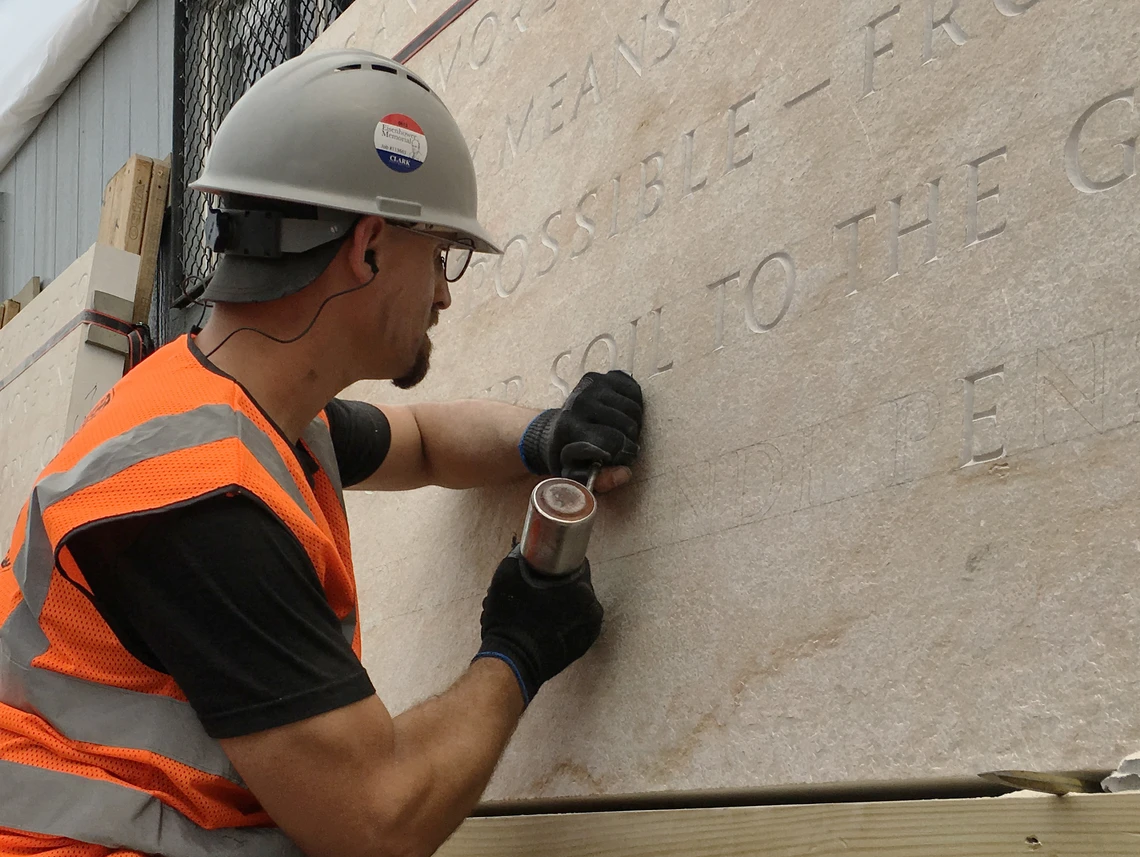
Sebastian Martorana’s deft hand and artistic eye can be seen on architectural and sculptural creations in locations as wide-ranging as the Smithsonian American Art Museum, the U.S. Senate, and the Dwight D. Eisenhower Memorial in Washington, D.C., St. Patrick’s Cathedral in New York City, and private art collections across the country. He is one of those rare individuals who excels as both a sculptor and a stone carver, acclaimed for his creative artistry as well as his technical prowess.
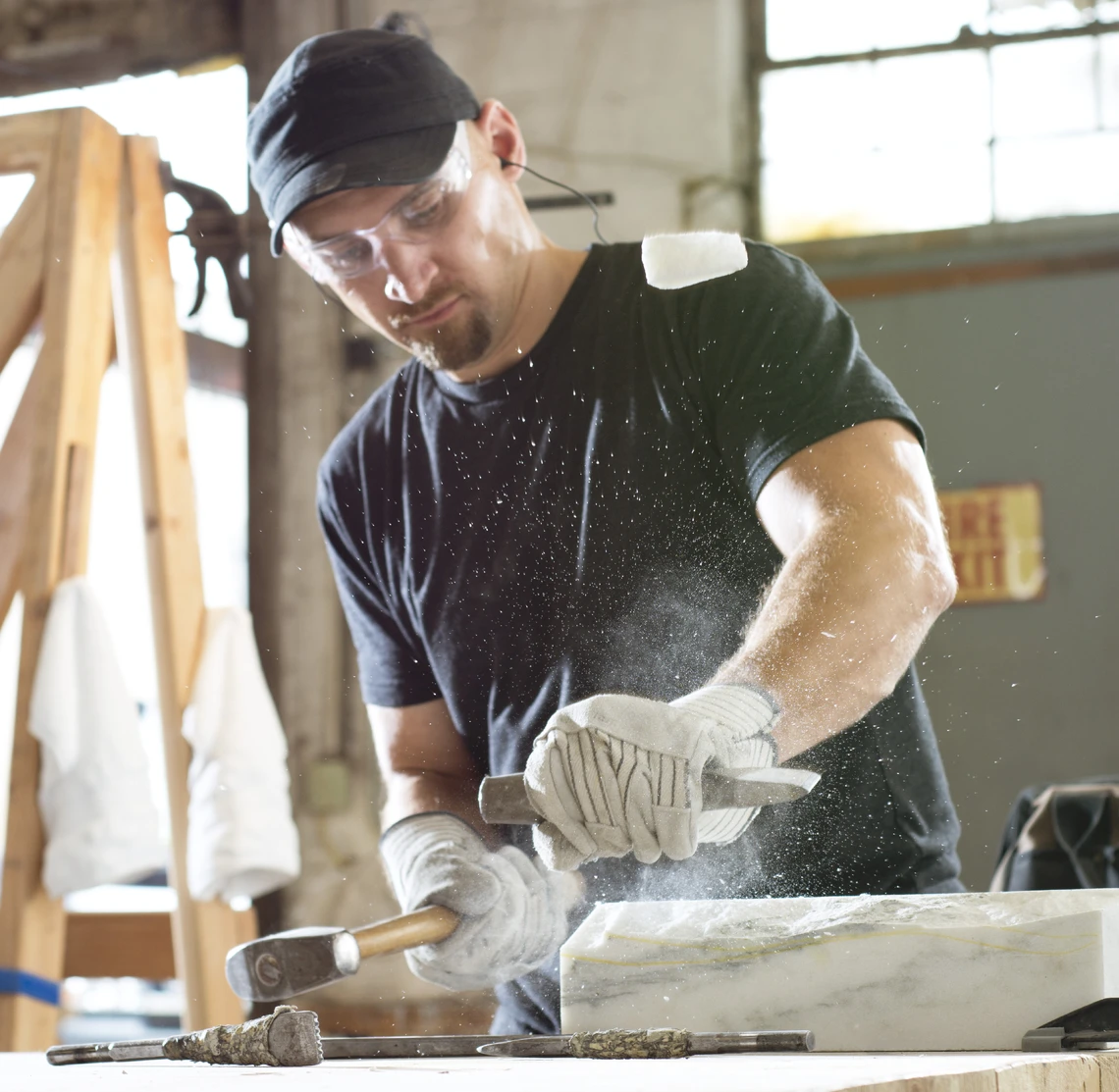
A native of Manassas, Virginia, Martorana grew up with a love for art. “I was the kid who could draw,” he says. He credits his mother for encouraging and supporting his artistic endeavors every step of the way, showering him with art books and “signing me up for every art program in the area.” An influential public high school summer program with the Governor’s School for the Visual and Performing Arts in Virginia exposed sixteen-year-old Martorana to mallets, chisels, and stone for the first time, giving him an appreciation for the craft and a sense of the “power of the material.” “I remember realizing, ‘Stone carving, I want to do that.’”
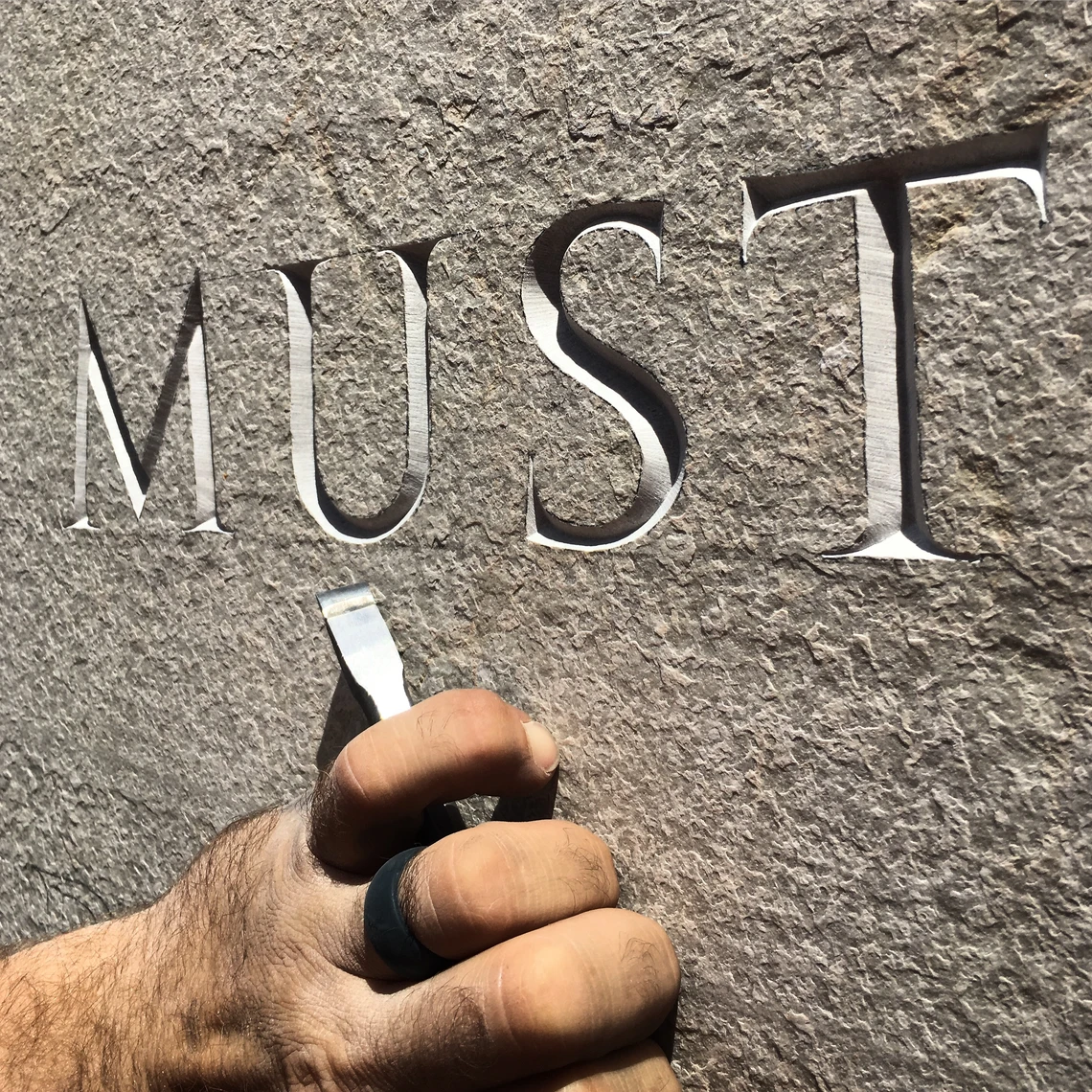
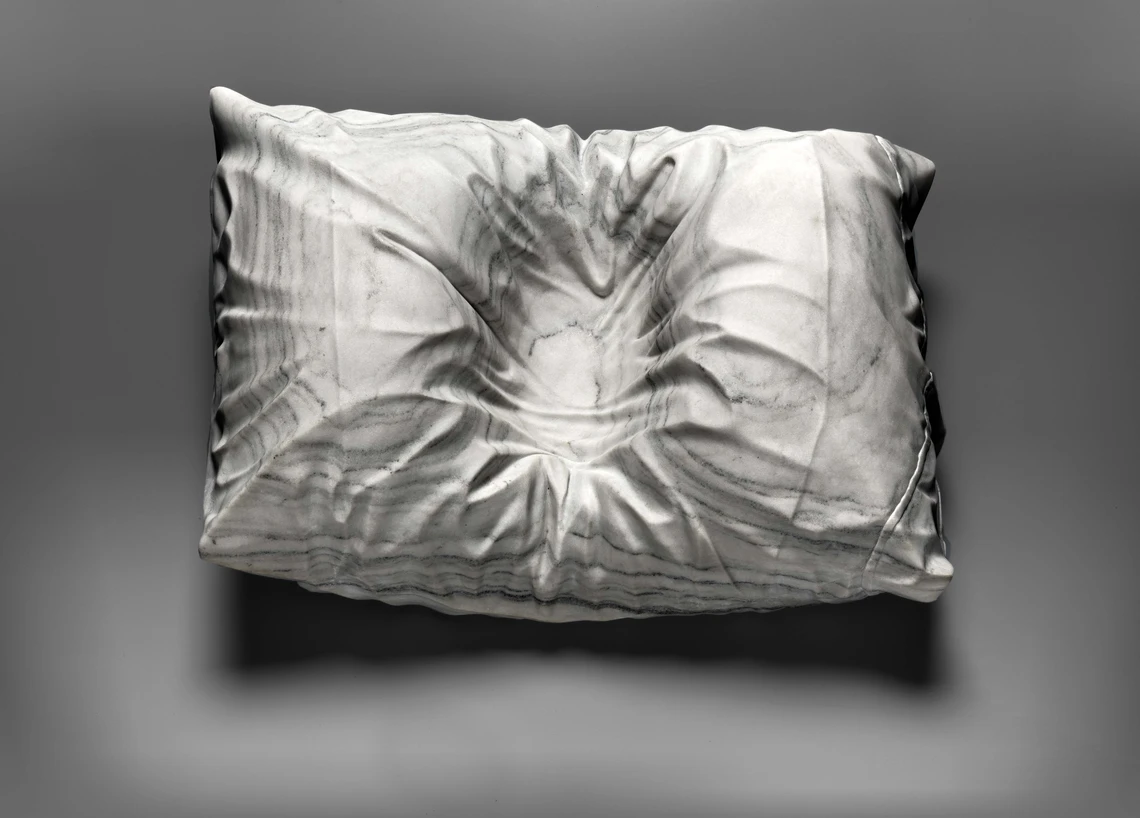
Martorana majored in illustration at Syracuse University, taking sculpture courses as electives at every opportunity. A semester abroad in Florence, Italy, surrounded by the centuries-old expressive stone sculptures of masters such as Michelangelo and Bernini, clinched his desire to pursue stone carving and sculpture as a career. “Making a hard material like marble look malleable and fluid seemed like the ultimate challenge,” he says, “so I switched gears.”
After graduating with a BFA in illustration, Martorana became a full-time apprentice at a stone shop outside of Washington, D.C., Manassas Granite & Marble Carving & Restoration Team, where he immersed himself in the trade in the context of a production shop, learning everything from hand-carved lettering to routine fabrication work from experienced craftsmen, helping with whatever came in the door. “I wanted to learn how to carve stone like a professional stone carver, not just like a sculptor trying to figure it out,” he says. Given the keys to the shop, he reveled in his access to an amazing variety of great tools and the freedom to work and practice as much as he wanted after hours. “I was like a kid in a candy shop,” he says.
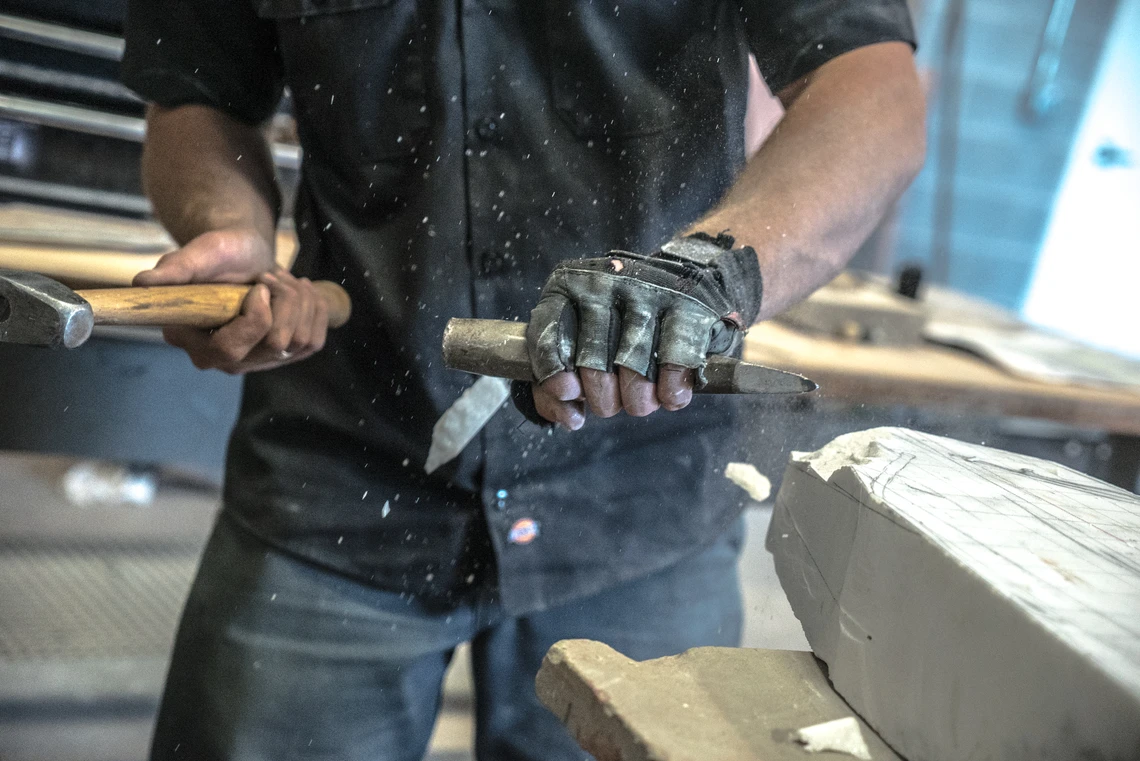
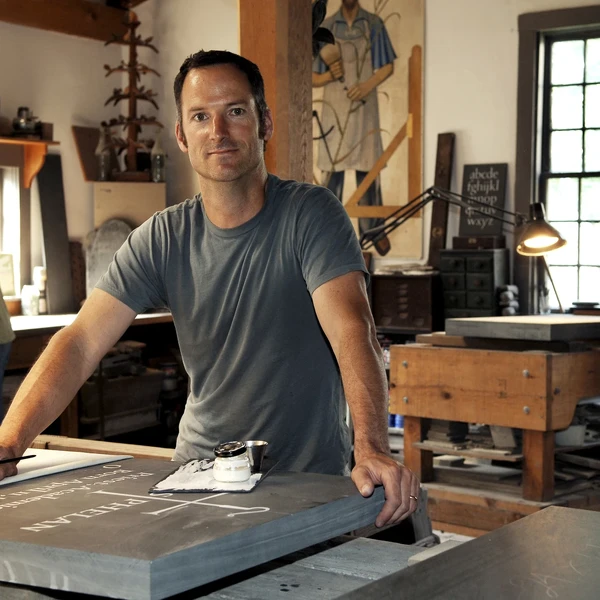
Martorana moved to Baltimore to pursue an MFA at the Maryland Institute College of Art’s Rinehart School of Sculpture—and never left. It is a city he loves. His studio, evocatively filled with a plethora of stones, tools, works in progress, and finished sculptures, is part of the historic 160-year-old Hilgartner Natural Stone Company, where he undertakes and directs commissioned stone carving, restoration, and design work, as well as creates his own sculptural pieces.
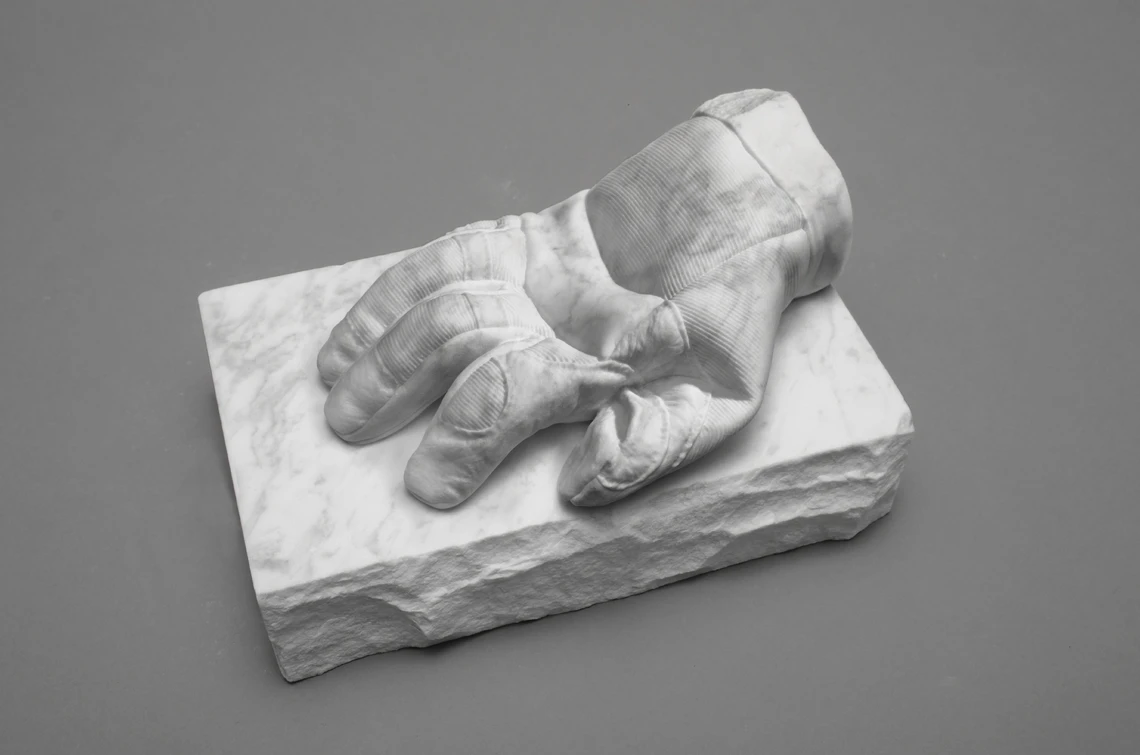
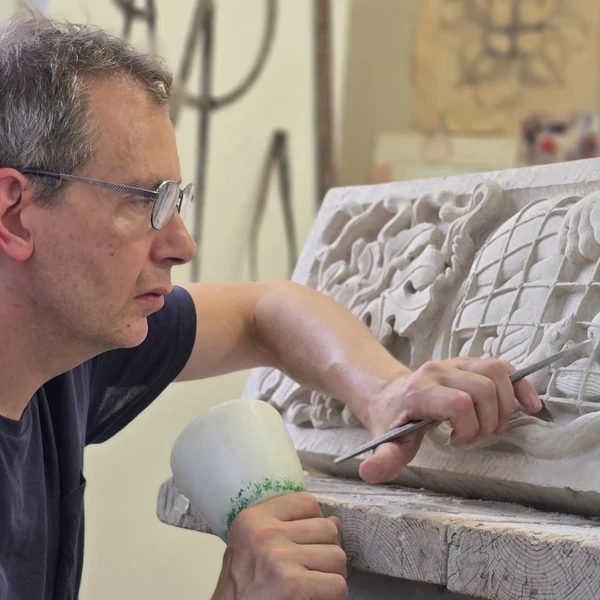
He specializes in carving granite, limestone, marble, slate, and sandstone, as well as wood, but his favorite material is marble. Many of his own sculptural works are beautifully textured and detailed realistic pieces carved from salvaged marble architectural elements from abandoned historic properties around the city. In addition to creating art, he shares his knowledge of illustration, sculpture, and carving as an adjunct professor of illustration at the Maryland Institute College of Art.

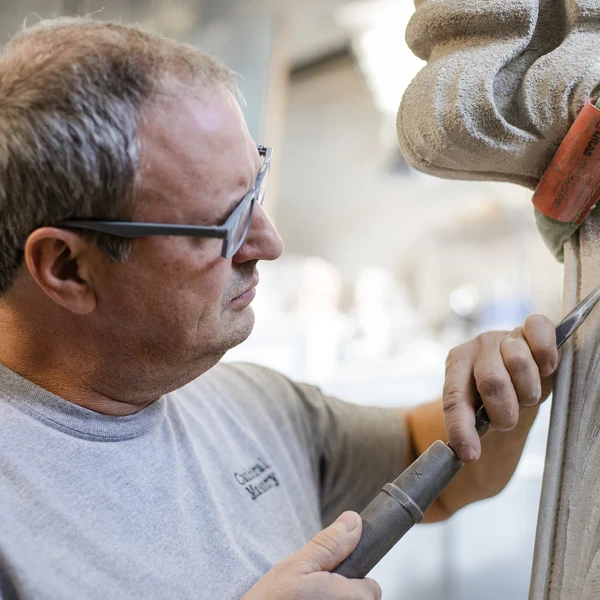
A self-proclaimed tool nerd, Martorana often fashions, reshapes, and repairs his own tools, enjoying the challenge of figuring out the best approach. The number and variety of tools on his workbench and in his toolbox are a wonder to behold—tooth chisels, flat chisels, mallets, hammers, files, air hammers—tools of all shapes and sizes. “Like a painter has his brushes, and they are all unique and used for a specific thing, that’s the same kind of feel I get with carving,” he says. Martorana is partial to carving with an air hammer for much of his work. “When you are doing something sculptural, the air hammer allows me to feel like it is very fluid. You are making these multiple and parallel strike marks very quickly. It feels much more to me when I am carving, like I am painting.”
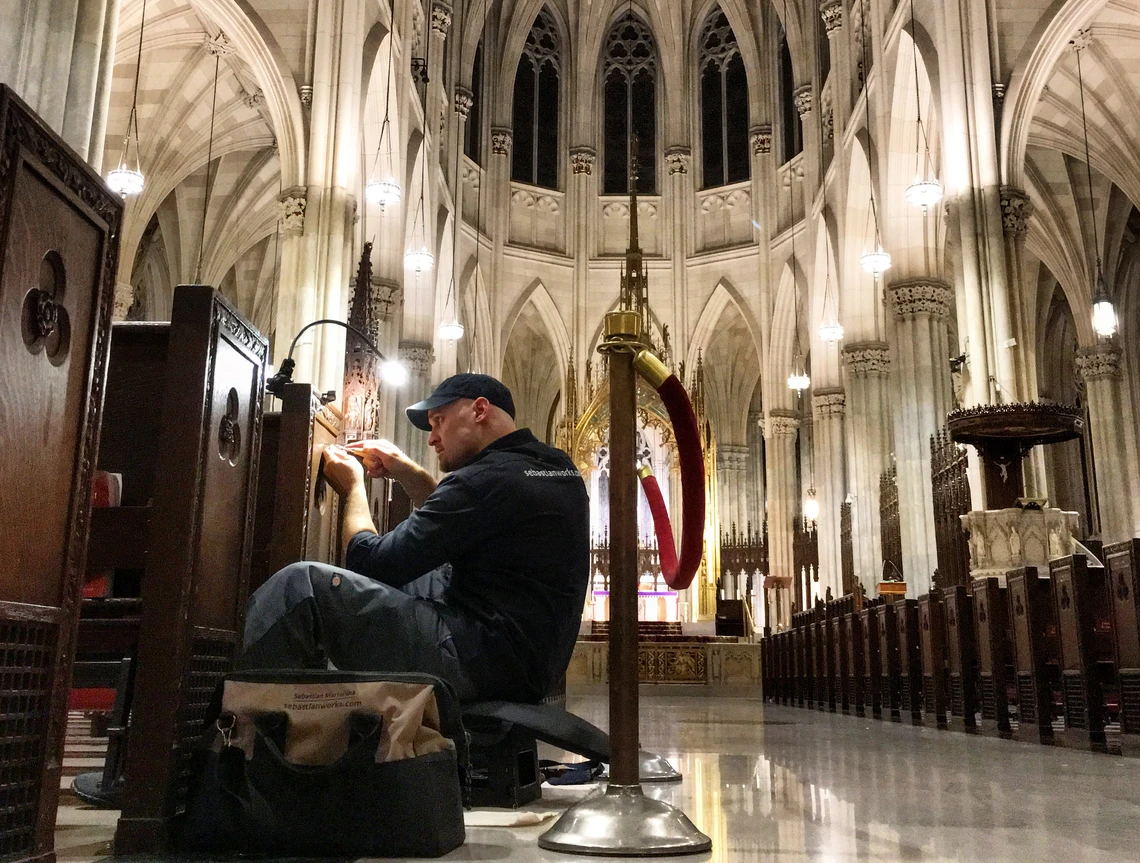
When Martorana is at work, time flies. To this day, he feels grateful for the prospect of being paid to do what he loves. He enjoys the spontaneity that accompanies creativity and hopes to leave a legacy that will last. “I get to do really interesting stuff every day. I get to do stuff that will hopefully last and outlive me. I am very lucky in that regard.”