
Ian Stewart
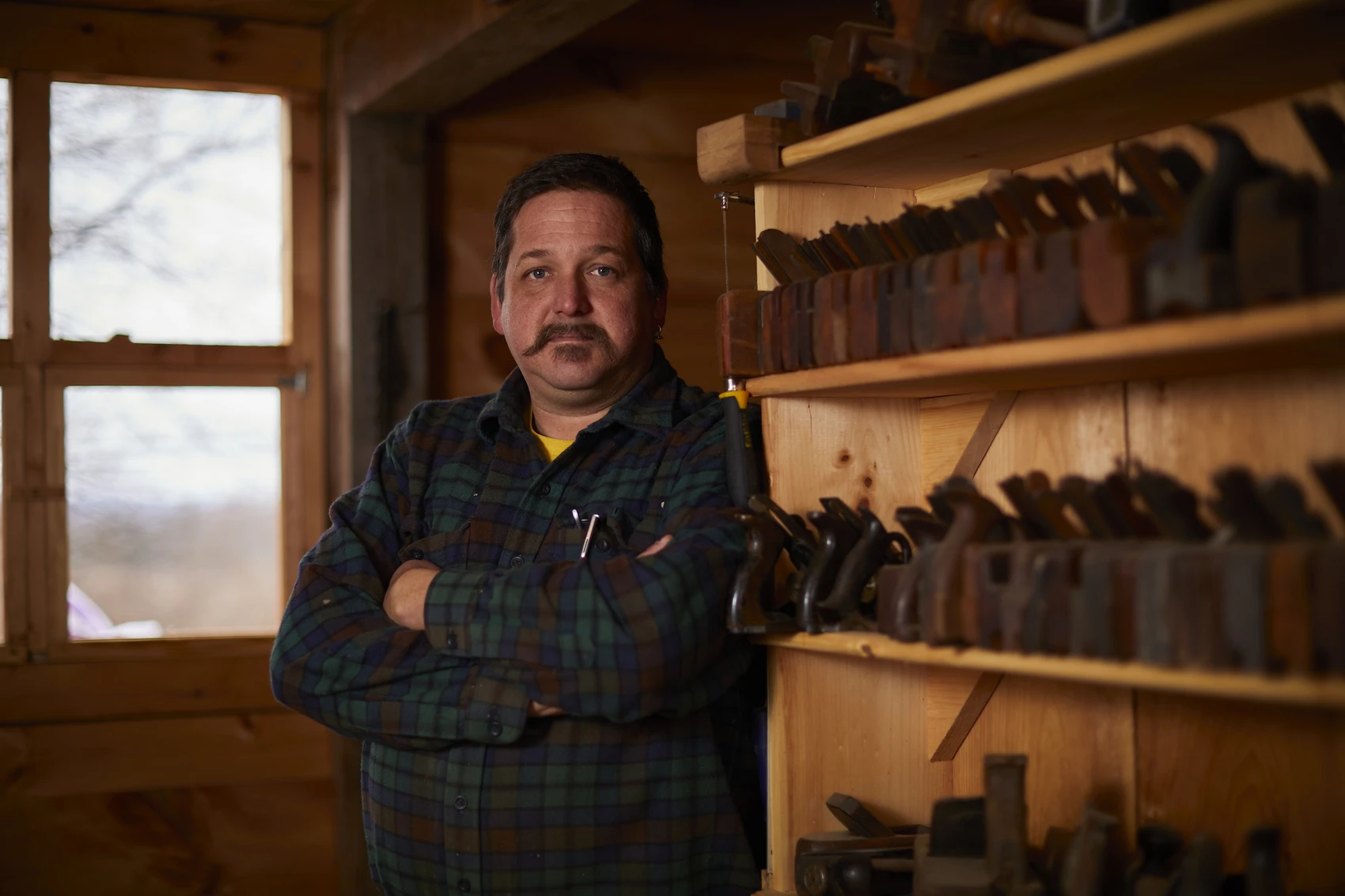
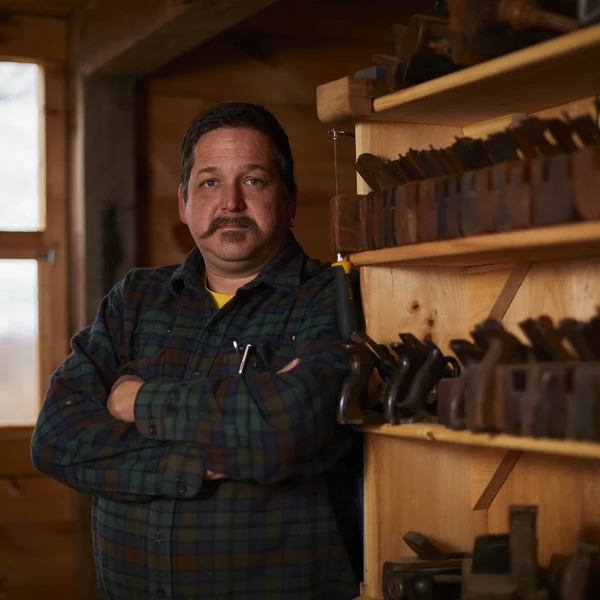
Ian Stewart specializes in the preservation of Anglo-Dutch timber-frame houses in the Hudson Valley, particularly those built prior to 1800. Knowledge of timber framing disappeared from the “trades map” for seventy-five years in the United States; Stewart has dedicated his career to filling in the gaps. A self-proclaimed social crusader, he carries a passion for preservation and for working with the region’s local people and communities.
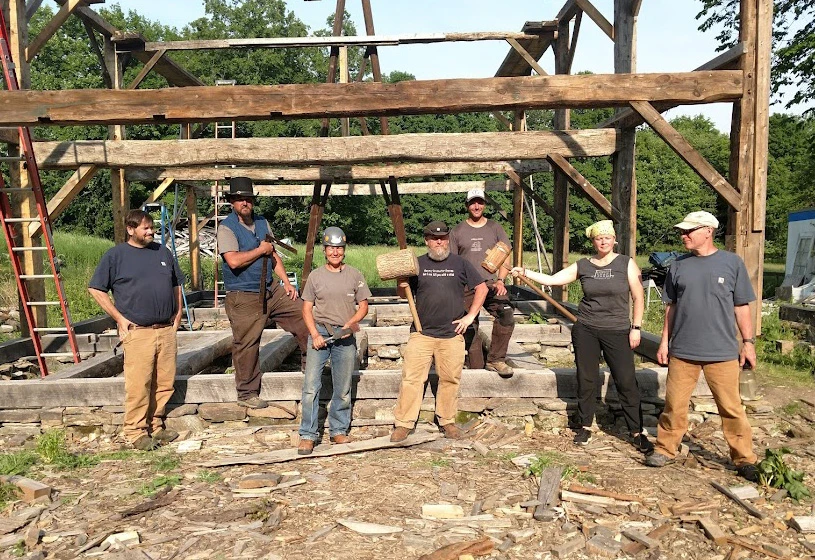
Ian Stewart describes his path to becoming the “Dutch guy” as “circuitous.” His story begins at SUNY New Paltz, where he discovered an enthusiasm for the buildings in his midst: the old Dutch timber-framed houses built for French Huguenots. In 2006, he apprenticed with acclaimed timber framer Jim Kricker. He then continued framing for Historic Hudson Valley in Tarrytown, New York, and earned a master’s degree in historic preservation at Boston University. In 2013, he started his own company, New Netherland Timber Framing and Preservation, specializing in traditional timber-framing methods.
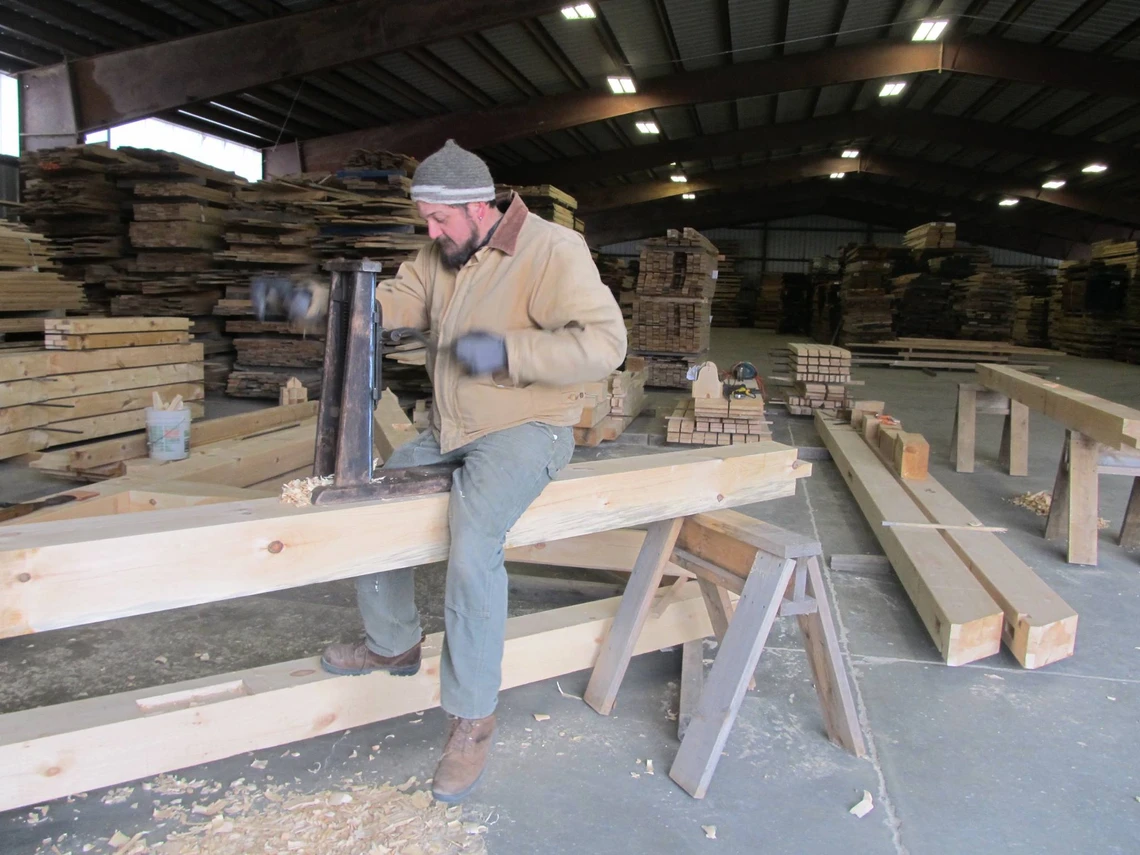
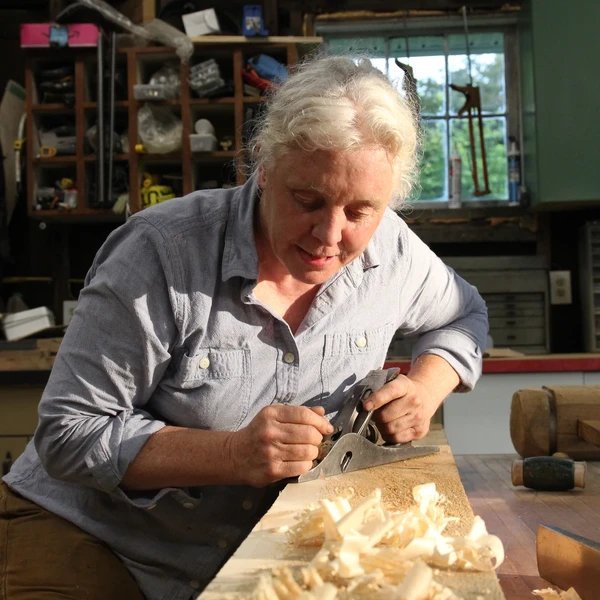
Stewart’s toolkit starts with his most valuable tool: his own hands. However, he also finds useful companions in his chisels, mallets, slicks, hewing axes, handsaws, framing squares, and planes. The wood he works with varies based on location and availability. More often than not, he opts for white oak and pine given their strength and ubiquity in the Northeast.
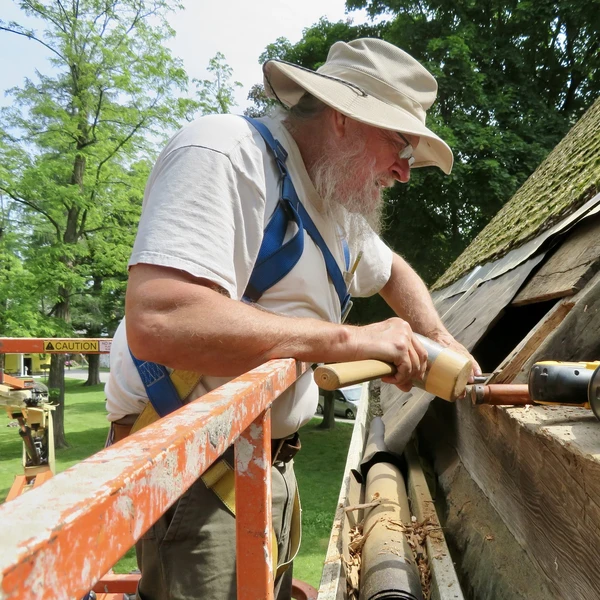
A typical day in Stewart’s life can be as varied as the types of wood he works. He prefers preserving older, existing timber frames, though he will take on a new frame on occasion. On a jobsite, Stewart hews heavy timbers and joins wood. His preservation work involves anything from minor repairs to restoring entire frames, start to finish. Much of the job consists of peeling back layers of history—a sort of archaeology. Drawing from his vast esoteric knowledge of historic trades and traditional techniques, Stewart is able to trace a building back to the time it was originally built. He describes preservation timber framing as equal parts research and craftsmanship.
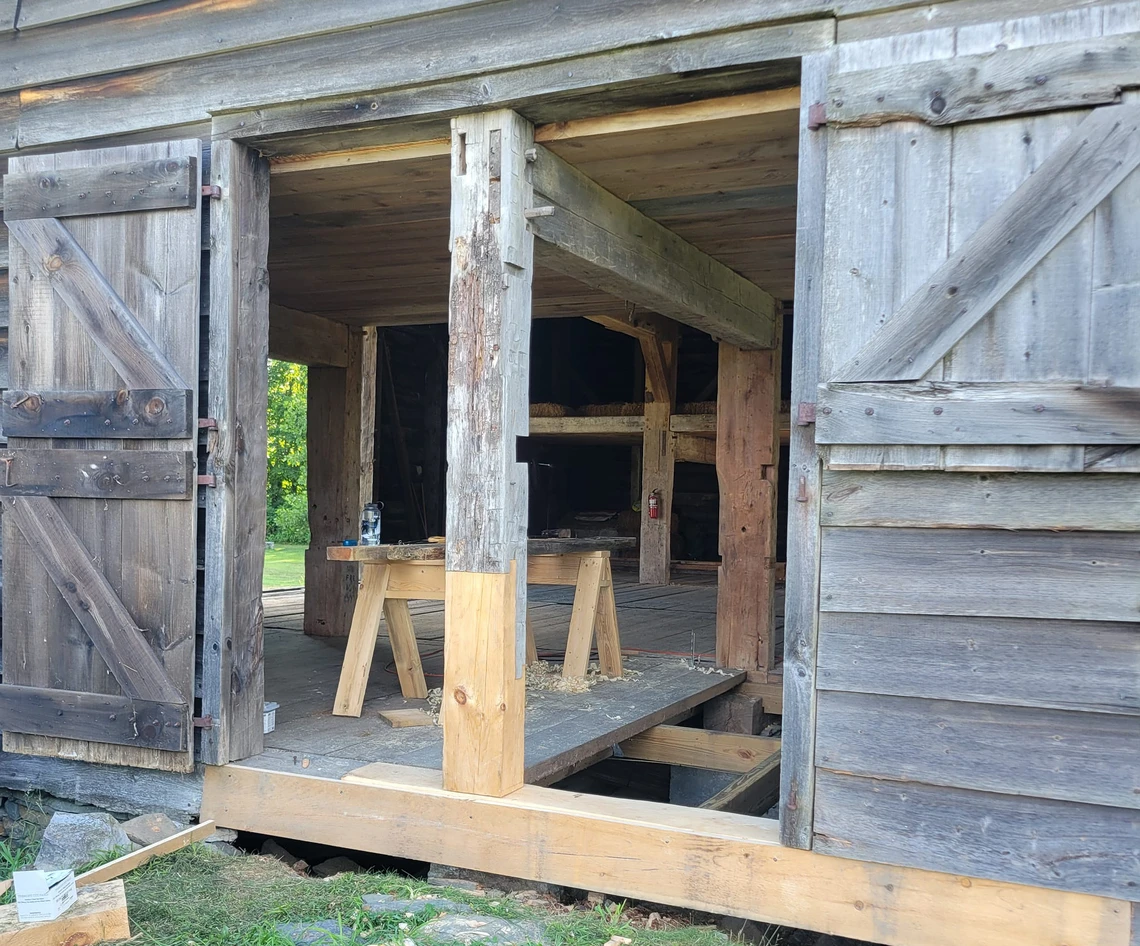
Stewart’s “timber touch” has reached far and wide, from new builds of private homes to the restoration of public landmarks. In 2018, he was tasked with helping restore the high-pitched gable roof of Jean Hasbrouck House in New York, a National Historic Landmark. By undergoing careful analysis, Stewart and the restoration team devised a structurally viable and historically sensitive solution to the roof rafter deterioration. Another site in need of intervention was the Ware Meeting House in Massachusetts, which suffered a fire in 1986 that severely damaged its belfry. Stewart’s team rebuilt the bell wheel and repaired the bell carriage so that it could toll another day.
Passing on the trade is a priority for Stewart, who claims he will teach anyone who can stay still. He teaches preservation at Hudson Valley Community College and is actively involved in the Timber Framers Guild and the Preservation Trades Network. He takes as many apprentices as possible, often from the American College of the Building Arts in Charleston, South Carolina.
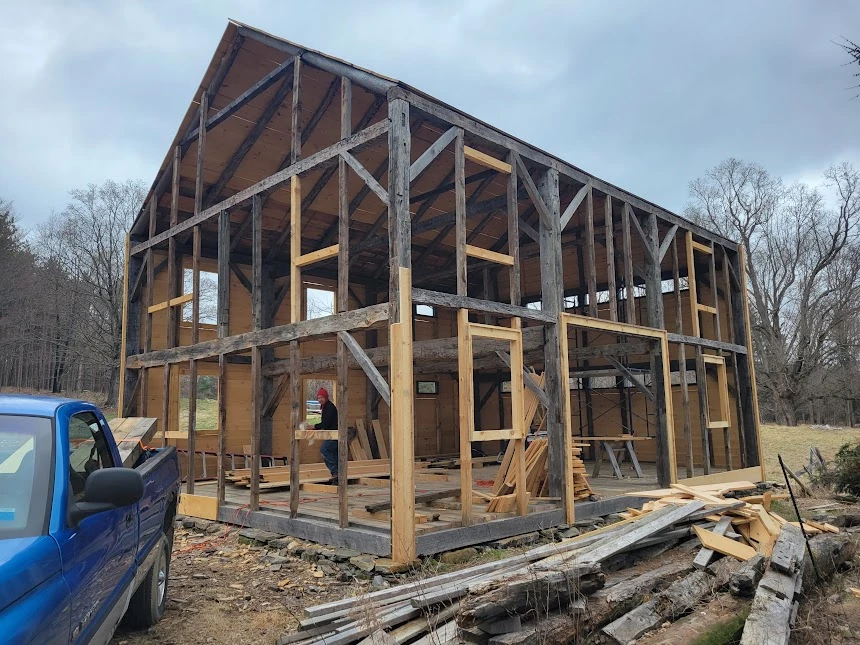
In Stewart’s view, the quality of timber-framing work is directly proportional to the care and research that precedes the manual component. “I want to see the joint cut by hand with an understanding of the system that has been around for thousands of years,” he says. Being mindful of the existing structure is vital. “If I’m looking at a restored timber frame, I want to see that the joinery has been kept in the vein of the original joinery.” For Stewart, an overarching criterion for judging excellence is longevity—ensuring that a historic building will last for hundreds of years to come.
While preservation may connote ties to the past, Stewart asserts that it also holds the key to a sustainable and meaningful future. “We are saving tangible heritage. We are saving the physical fabric of our folkways. That’s what drives me.”