
Guyton Ash
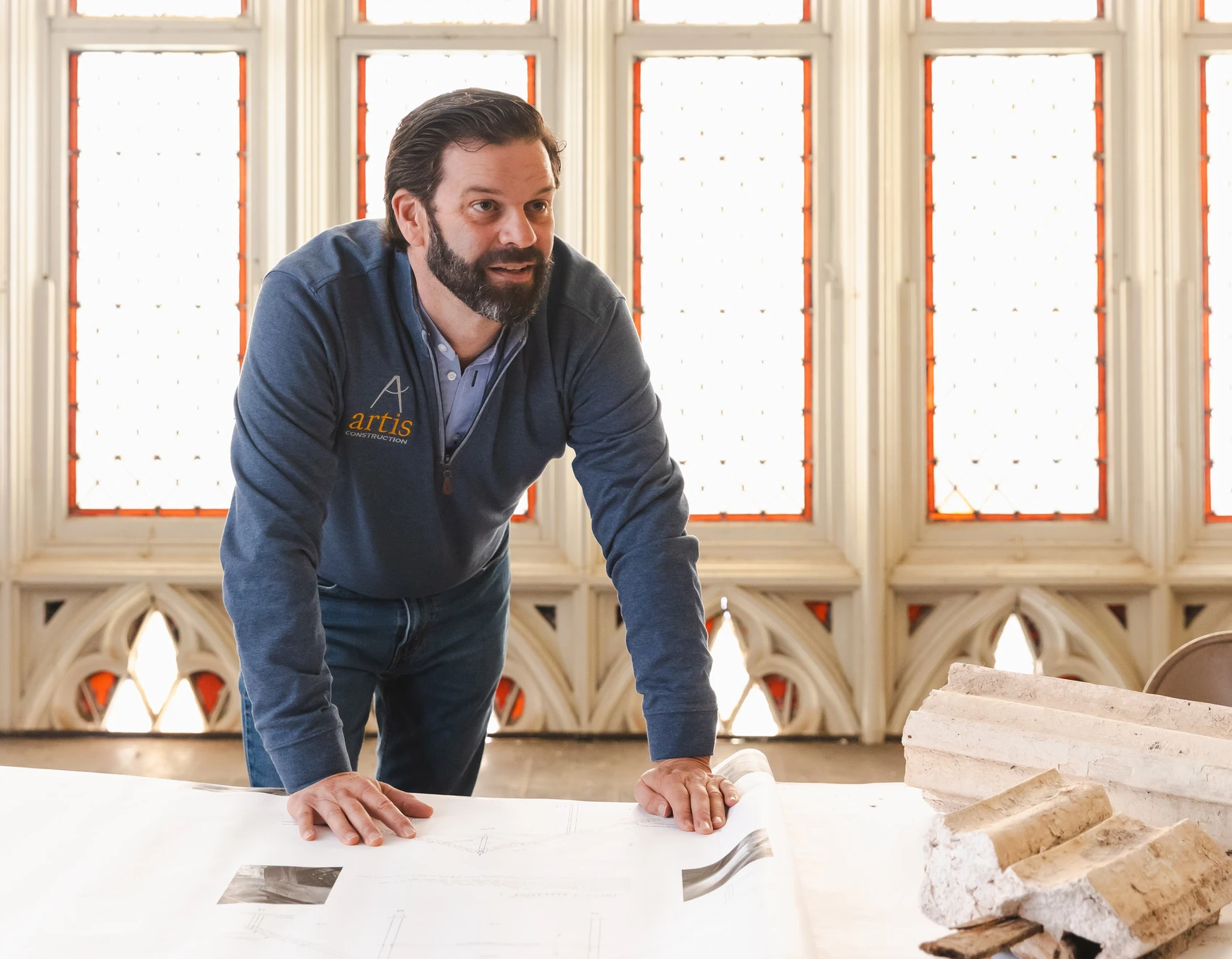
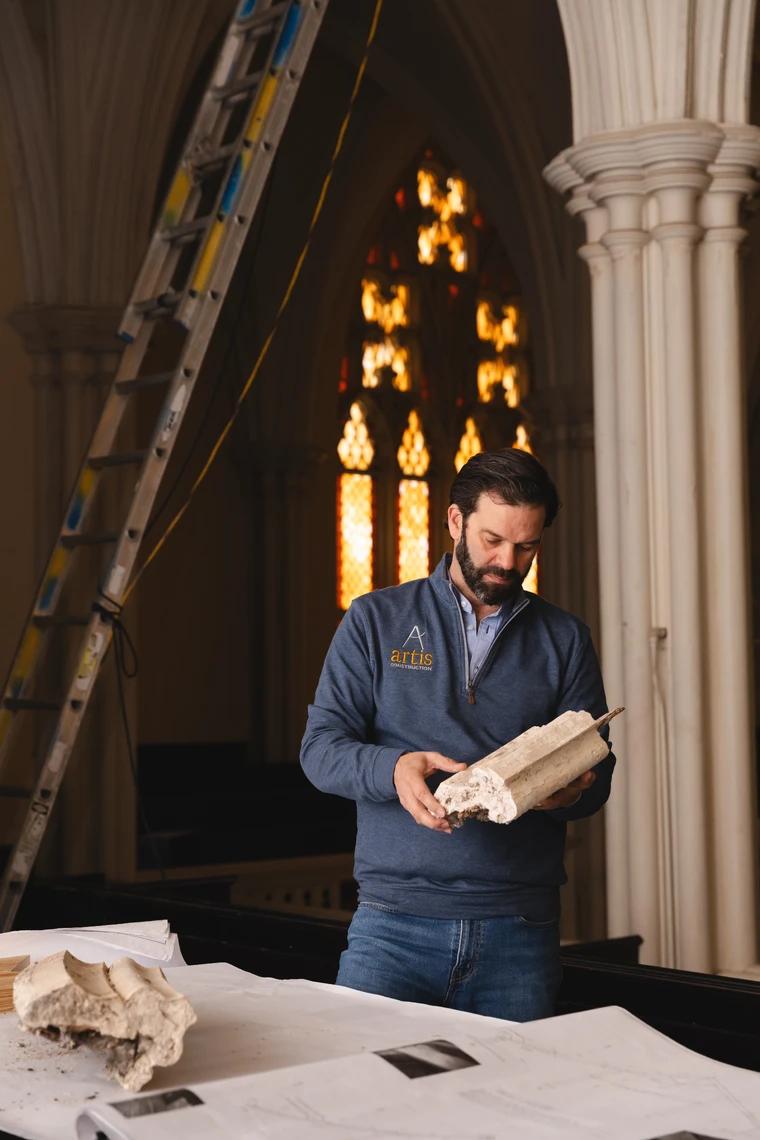
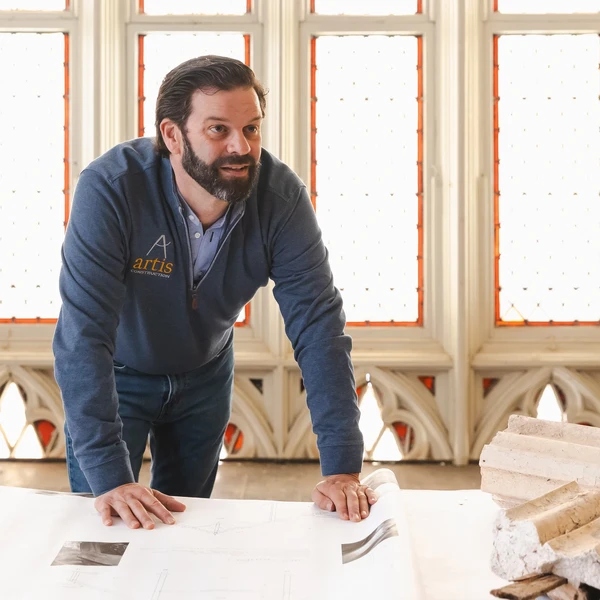
In the historic city of Charleston, South Carolina, timber framer and preservation specialist Guyton Ash skillfully restores old structures and creates beautifully crafted new legacy-style homes through Artis Construction, the award-winning company he co-founded in 2016. As a member of the third graduating class of the American College of the Building Arts (ACBA), he brings his expert training in centuries-old French timber-framing techniques and modern technology to solve complex restorations and repairs, craft custom millwork and cabinetry, and undertake intricate remodeling projects, all with the highest regard for excellent craftsmanship. “It’s really about satisfaction, longevity, and aesthetics,” he says of his work.
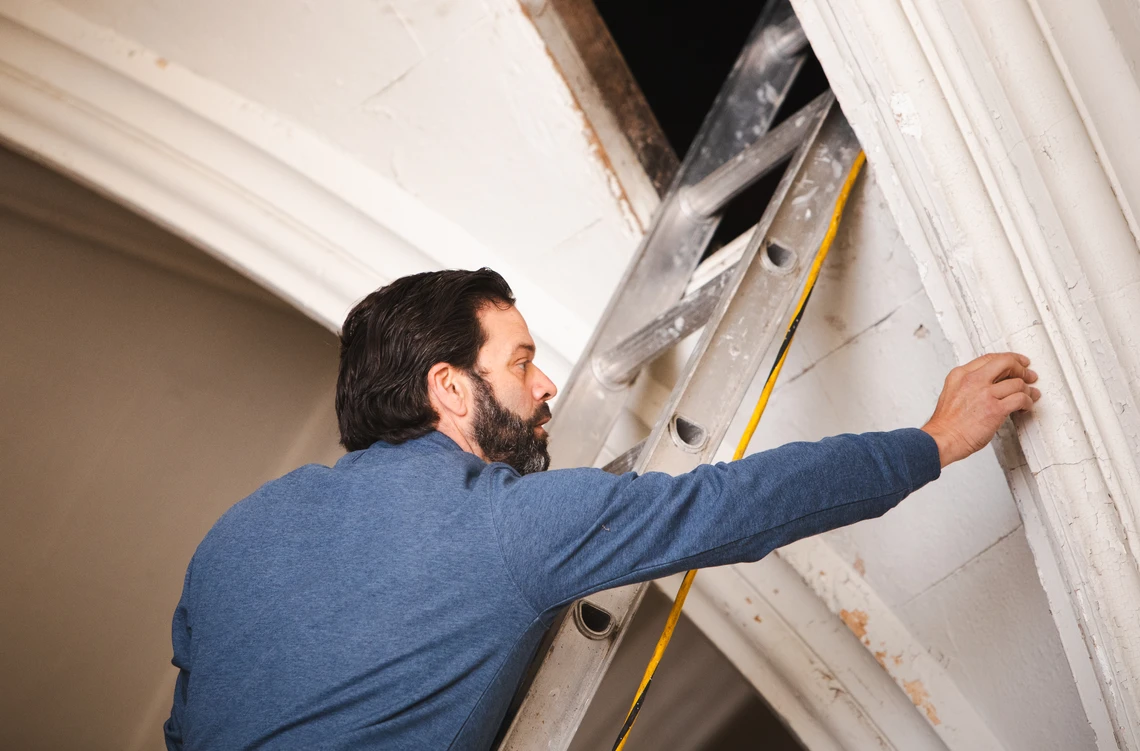
Born in Litchfield, Connecticut, Ash was drawn to working with his hands at an early age. He grew up in an atmosphere where crafts and tradespeople were appreciated and old timber-frame barns dotted the landscape. “Where I am from, trades do not have the same stigma that they do in other parts of the country,” he says. “Everyone needed everyone else to be able to make it all work. There was respect across the board.”
Ash began his career in the building arts as a stone mason crafting fieldstone walls and courtyards in New England. After moving to Charleston, he discovered the American College of the Building Arts and delved into his longtime interest in woodworking, majoring in timber framing and studying with French timber framer Bruno Sutter, a true master of his trade. During ACBA’s intensive four-year program, he not only learned traditional joinery and other woodworking techniques but how to think in three dimensions and solve complex geometric problems. “What you learn in the timber-framing program makes everything else easier to understand,” he says.
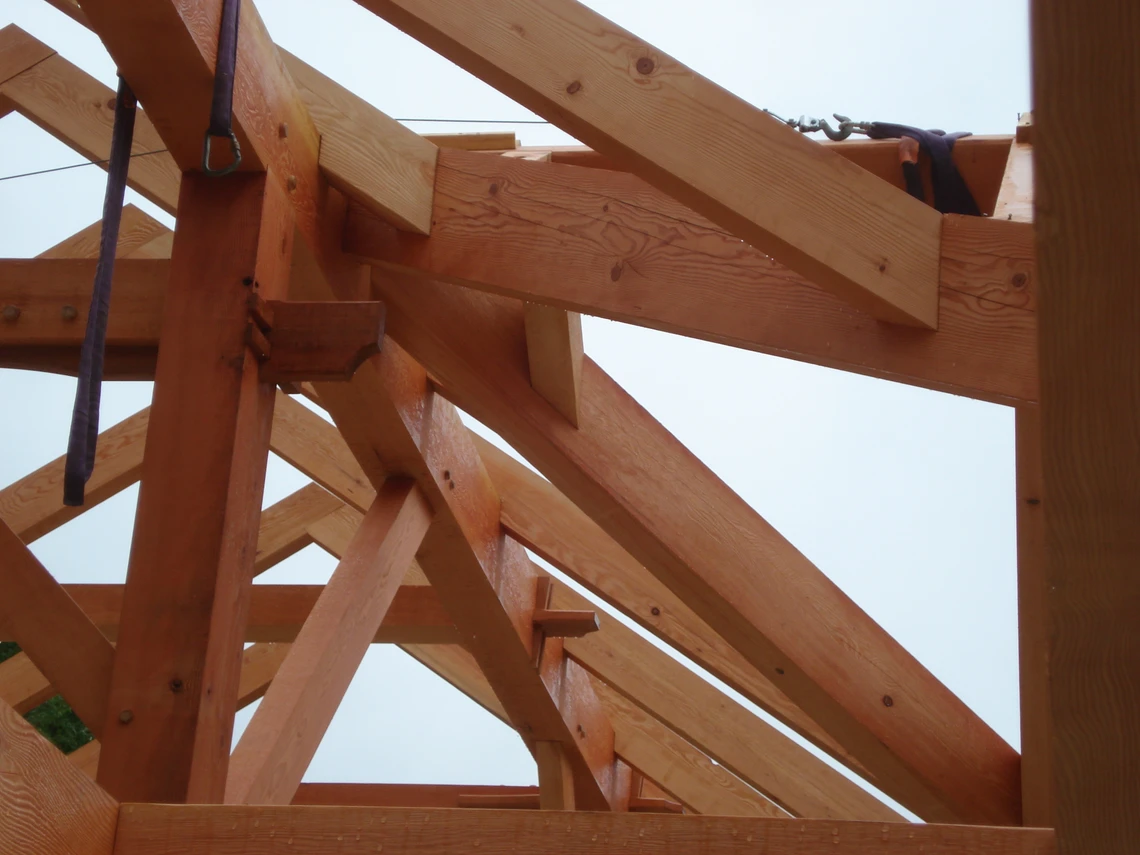
While a student, he completed three summer externship experiences that further expanded his knowledge of different aspects of the trade. The first was at Bensonwood with Tedd Benson, who introduced Ash to the innovative timber-framing methods he had developed. He then worked with Holder Brothers Timber Frames LLC in Monroe, Georgia, where he had the opportunity to collaborate on a project for a blacksmith annex shop with seventy-five other craftspeople. His final internship involved apprenticing with ACBA chair of timber framing Bruno Sutter in Costa Rica. “We collaborated with locals to cut and hand-raise a timber frame on the side of the Pacific Rim in the jungle. It was an amazing experience and a really elaborate structure.”
Upon graduation in 2011, Ash founded Ash Woodworking and began producing custom interior trim, timber frames, cabinetry, custom doors, and furniture. His affinity for old-growth wood led him to select beautiful local cypress for projects, such as a commissioned dining table that incorporated an old tree stump recovered from a nearby river. “I like to let the wood do the talking,” he says. In 2016, Ash co-founded Artis Construction with Tim Sites and began working on timber-frame restorations and larger-scale projects in Charleston. “Our niche is preservation,” he notes. “My education gives me a unique perspective on how to fix these buildings.”
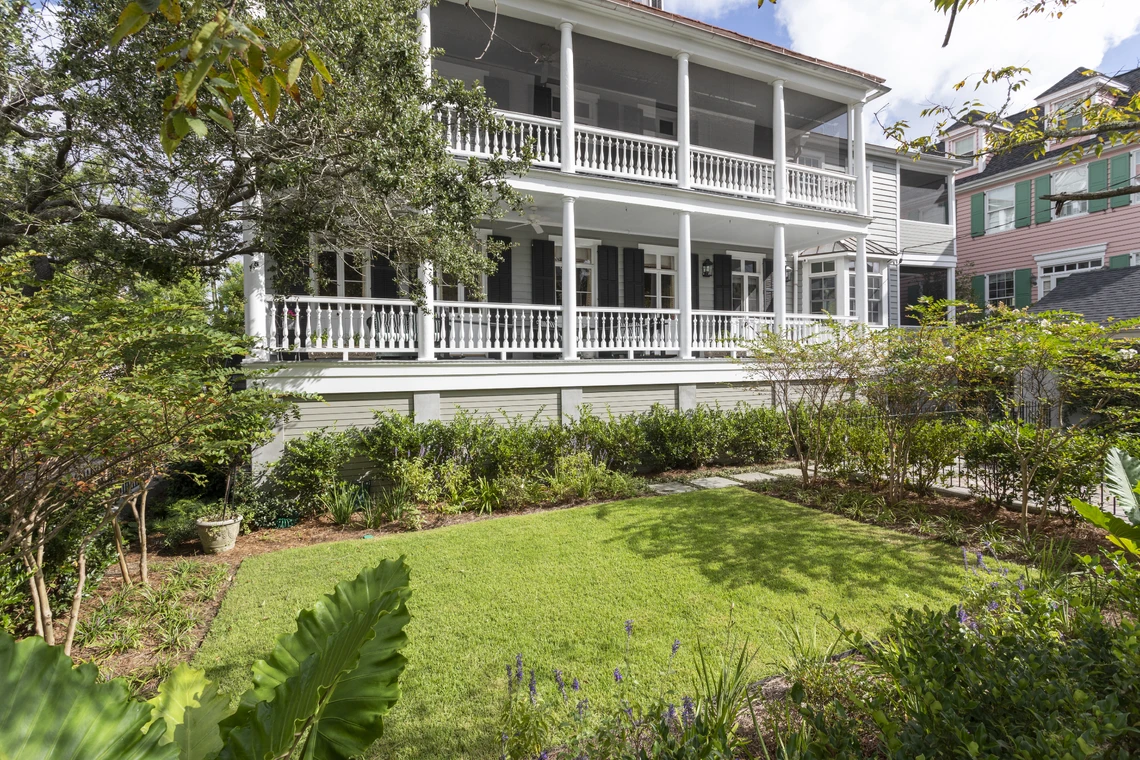
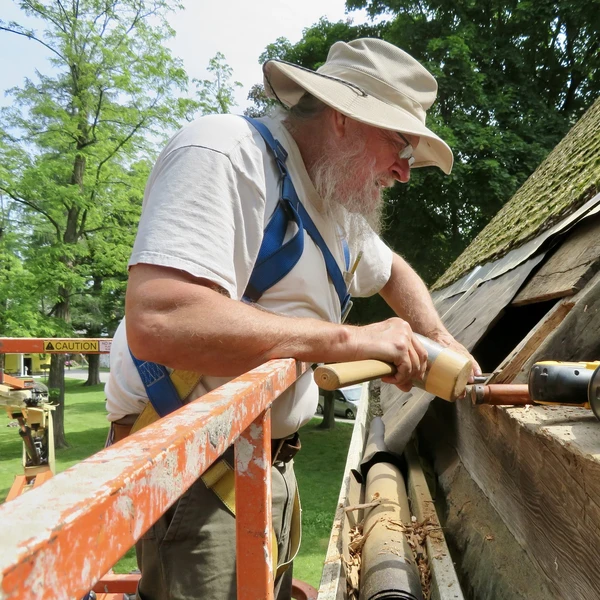
Completing the restoration of historic sites such as the 1832 Faber House and the 200-year-old Gadsden House is no simple feat. The process entails a complete analysis, identification, isolation, and replacement or repair of the timber-frame elements, most of which are hidden. “The first thing is to identify where the problem is. Everything is usually covered by masonry, or there is siding on it. You have to look at the exterior envelope of the building to see where the problems exist. You can look at the roof line, eve line, the bottom plate line, and sometimes the siding will show you some things.”
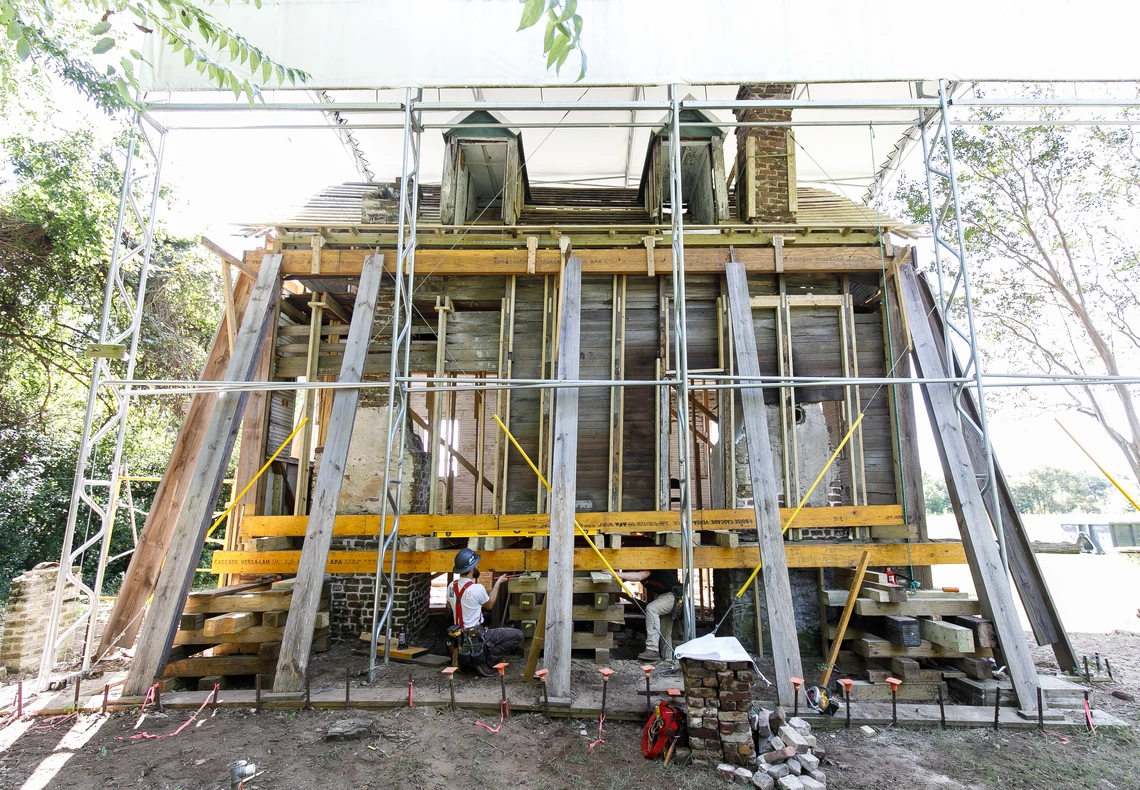
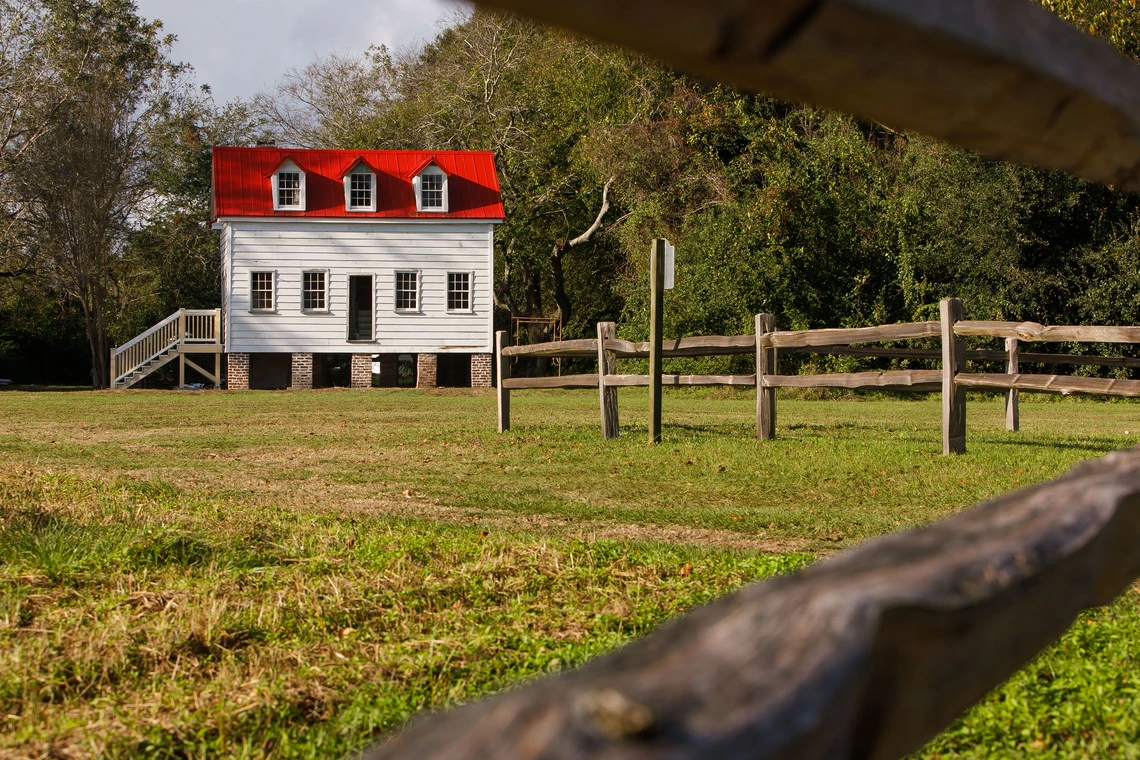
Ash has a passion for preservation, for saving the history and stories embodied in beautiful old buildings. One of his award-winning projects included stabilizing and meticulously restoring the 1885 Hutchinson House on Edisto Island, a rare, intact example of Reconstruction-era African American domestic architecture. “We basically dissembled the facades piece by piece, cataloging and evaluating each pine board to see what could be salvaged and what needed replacement,” he says.
Respected as a carpenter’s carpenter, Ash combines pride in craftsmanship with a deep reverence for the past. He is dedicated to continuing the important legacy of traditional trades training by teaching courses in timber framing and advanced roofing systems at ACBA and helping students gain invaluable experience through summer internships and full-time positions at Artis Construction.
In Ash’s view, the biggest challenge to the building crafts is the “hurry up and get it done” attitude that dominates the construction industry. Through the fine work of Artis Construction, he and his team are charting a path forward to long-lasting and beautiful workmanship.