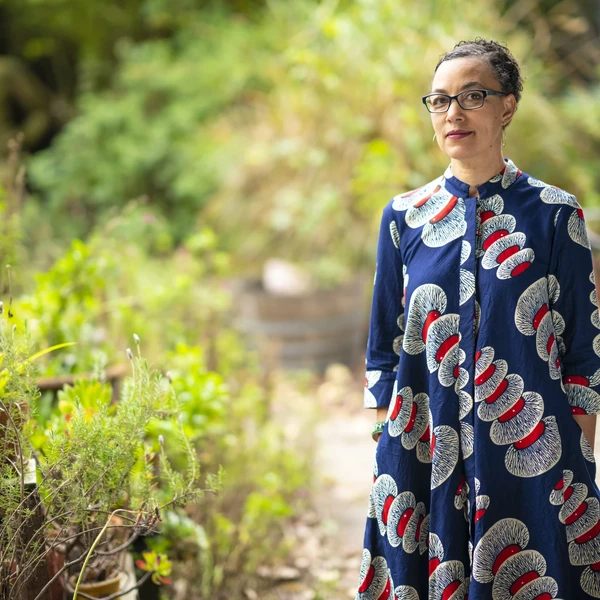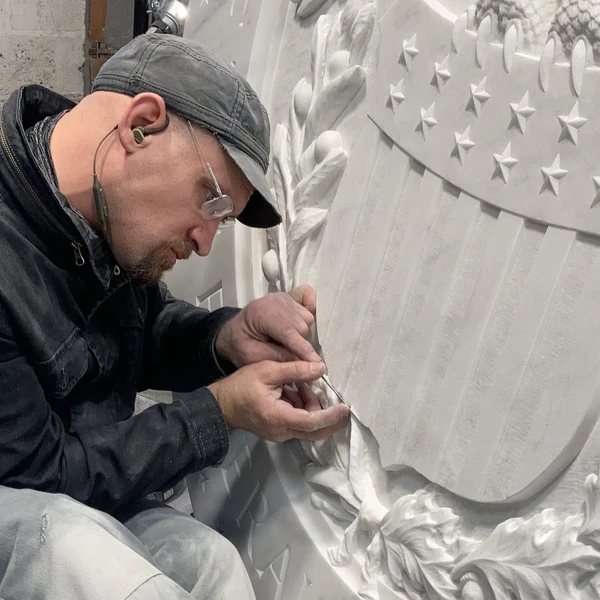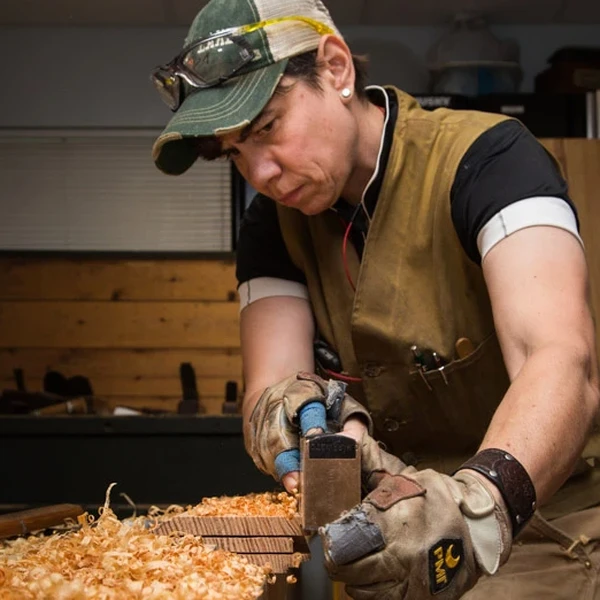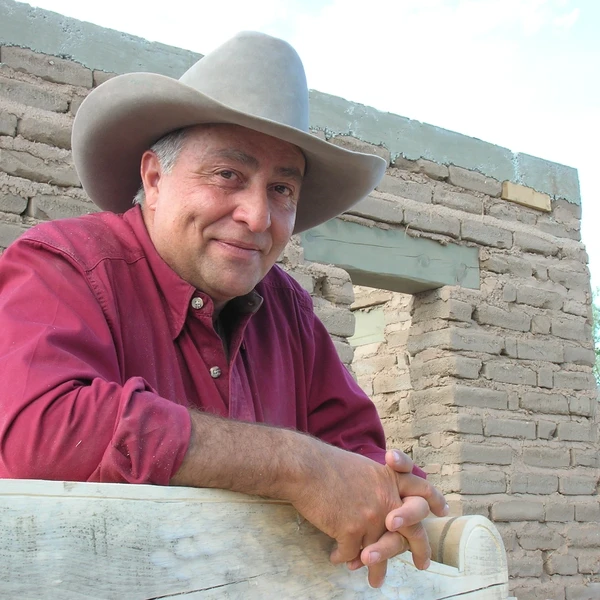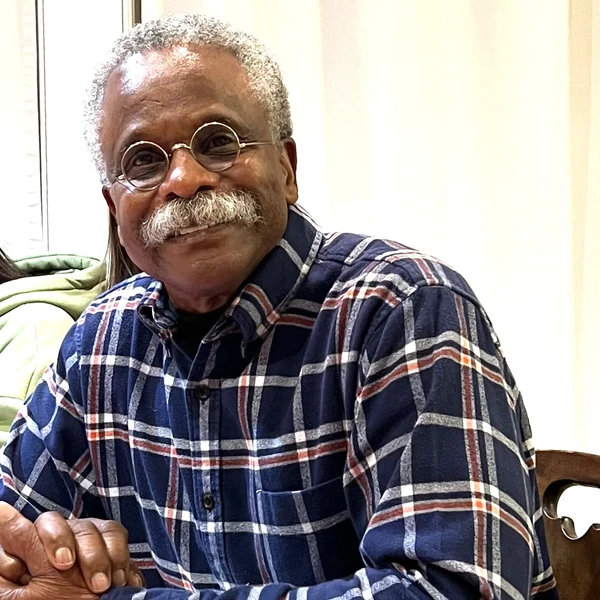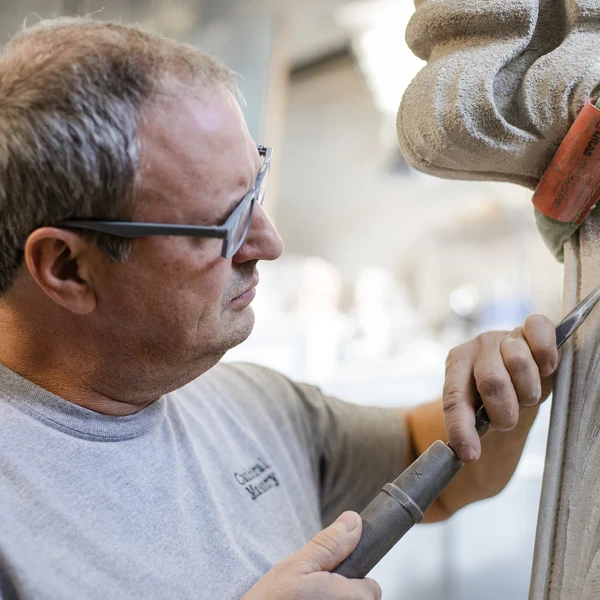

Rudy Christian and Laura Saeger
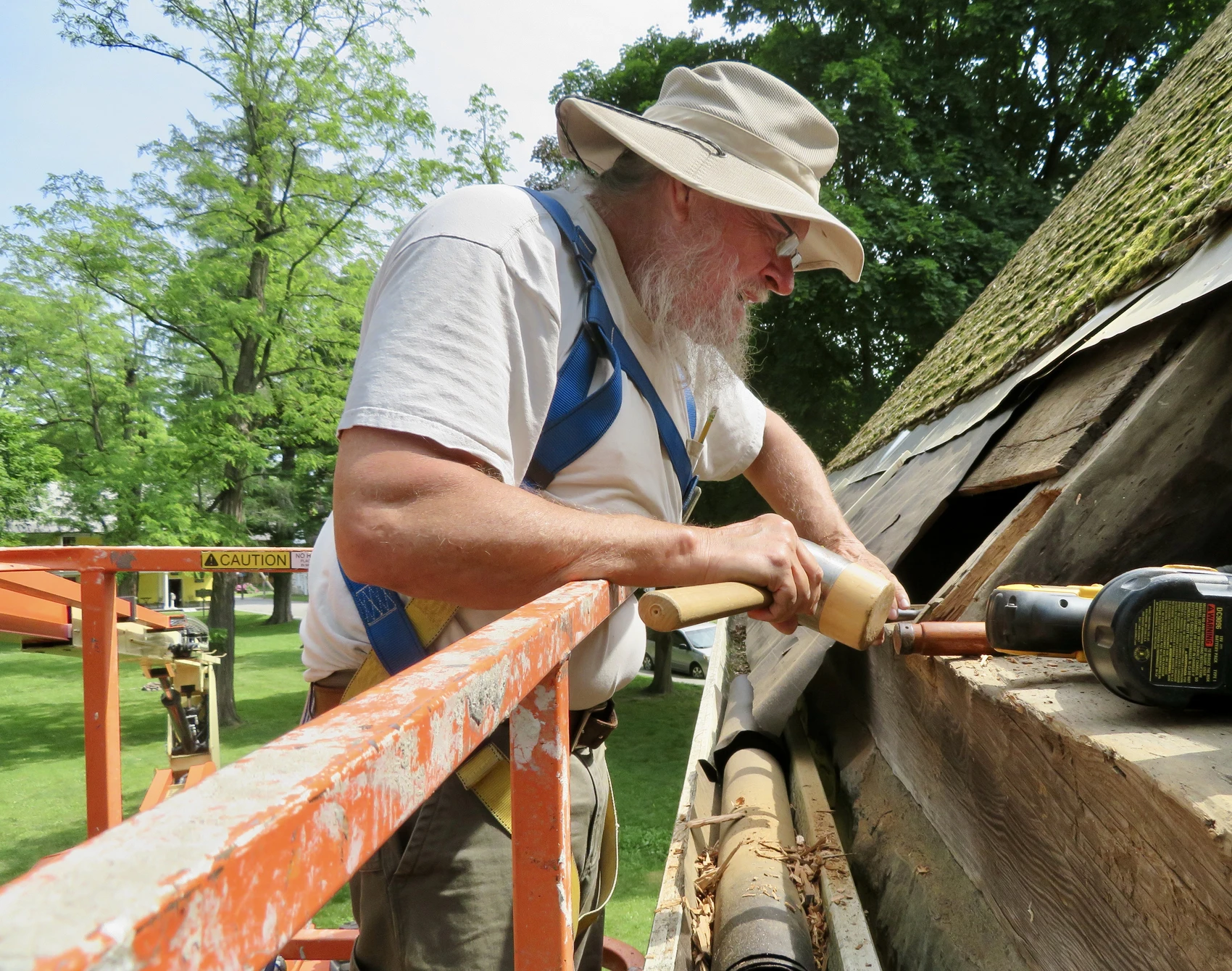
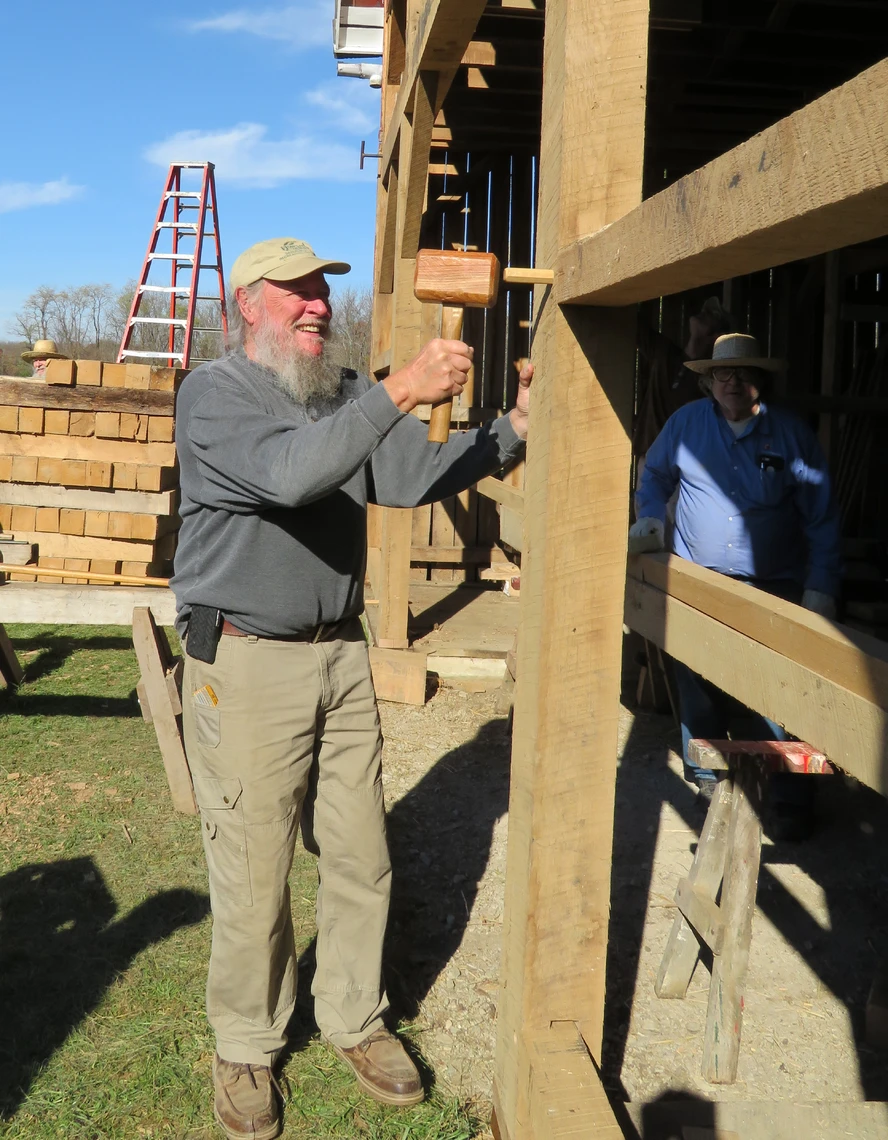
Timber framers Rudy Christian and Laura Saeger are craftspeople on a mission: to preserve old buildings and raise awareness and respect for the skill of the tradespeople who build and restore them. As the husband-and-wife team at the helm of Christian & Son, Inc., a timber-framing company they founded in 1985, they have been passionate champions of the traditional trades and generous mentors to many.
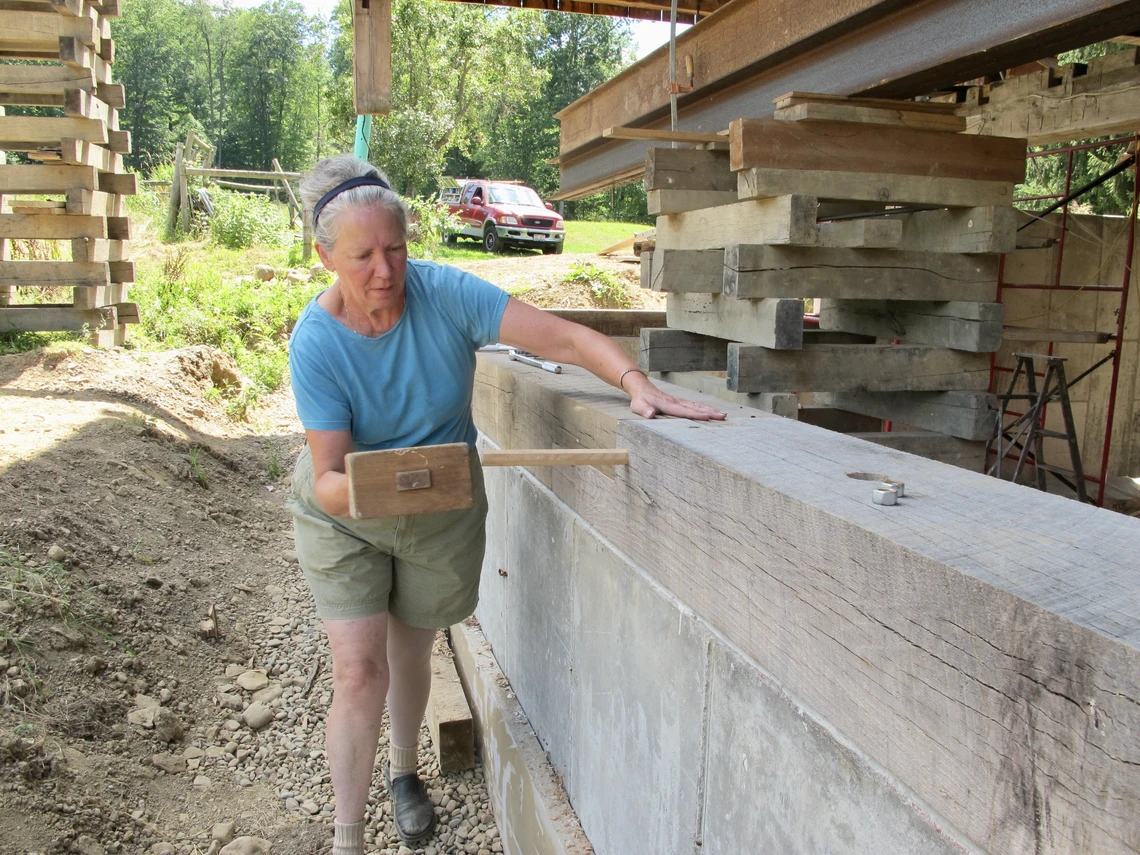
Timber framing is a centuries-old method of constructing buildings using wooden joinery and heavy timbers. The timber-framing tradition in North America all but died out around the turn of the twentieth century, replaced by new methods of construction. In the 1970s, a renewed interest in quality craftsmanship and materials led to the modern timber-frame revival and the founding of the Timber Framers Guild in 1985. Christian and Saeger have been at the forefront of this movement, especially the preservation of old barns and other historic buildings, with Christian serving as a founding member and past president of Timber Framers Guild and a founding member and executive director of the Preservation Trades Network.
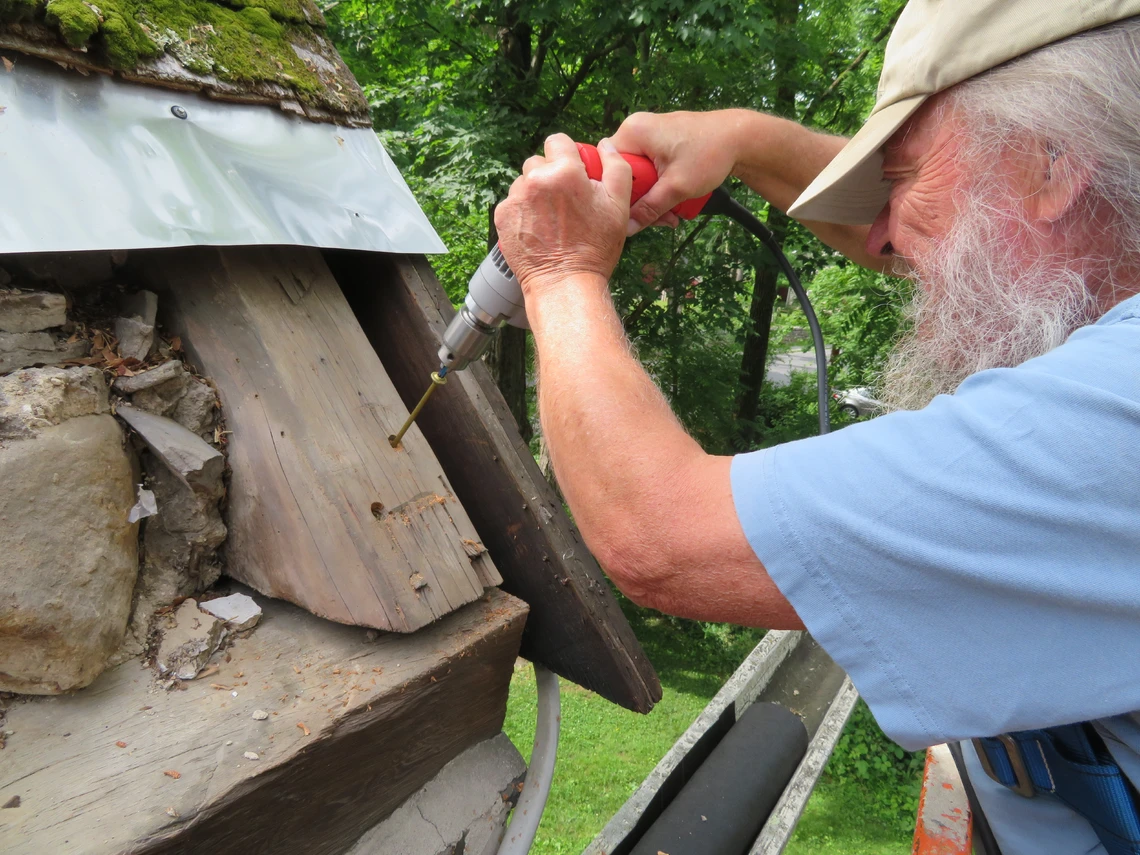
They came to timber framing somewhat by chance. Christian started out working in commercial construction after studying mechanical engineering in college but did not find it a rewarding pursuit. A pivotal moment came in 1982 when Saeger saw a notice for a workshop on using hand tools to build with heavy timbers. Christian and Saeger signed up and were captivated by the experience. “I told Laura, ‘This is what I want to do. This is what I need,’” Christian says. They have been timber framing together ever since.
Christian and Saeger love the creativity and the challenge of work. “No two pieces of timber are the same,” Christian says. “You need to know the correct way to select the right piece of wood, orient it in the building properly, cut the joinery and design the joinery correctly. All of those things all tie together into being able to build a well-built building.” Equally important to them is the immersive experience that comes with timber framing—the sense of community, comradery, and connection at the heart of the craft.
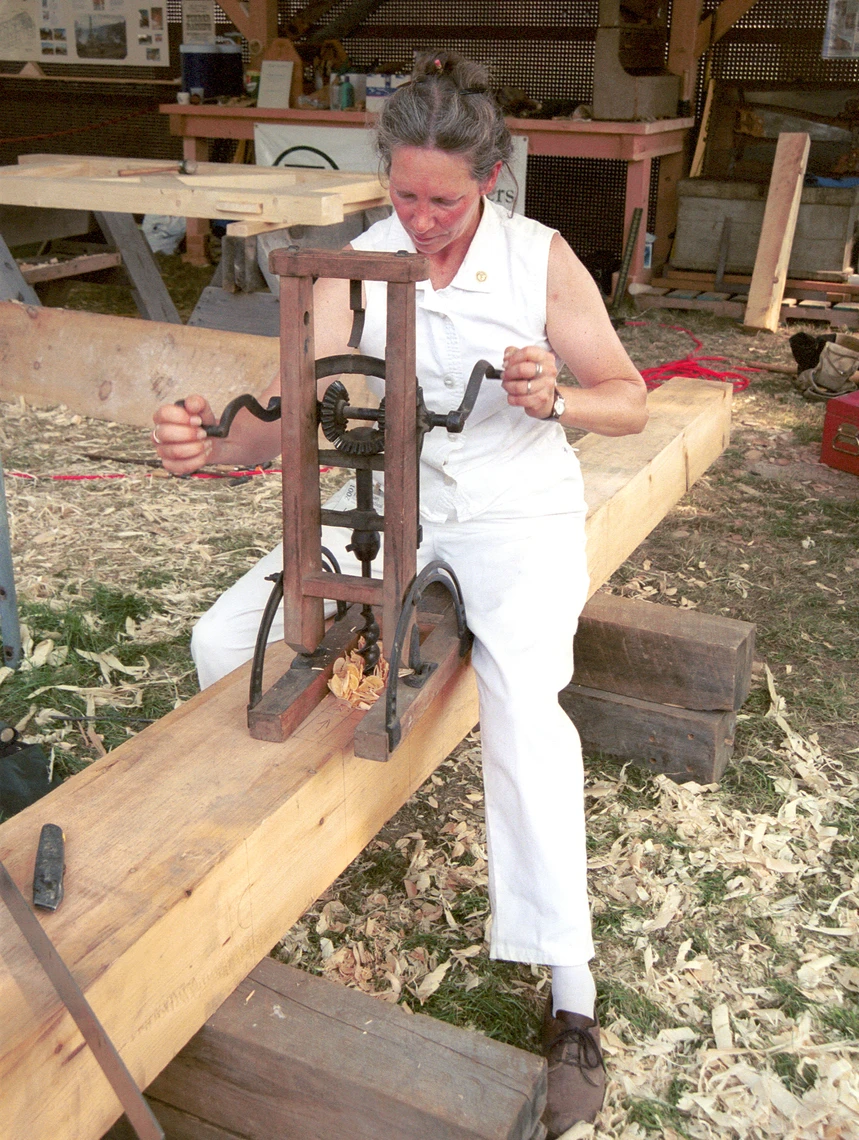
Like many, they started out building new timber frames but were increasingly drawn to the preservation of historic buildings and to researching and discovering traditional methods of timber-frame construction. “The second transition in our learning curve was to begin learning from the buildings and let them tell us how they were built and why they were built that way, and what kind of tools were used to do it,” Christian says. By studying the joinery, tool marks, and timbers of historic structures, timbers framers uncover clues to understand how carpenters of the past thought and worked.
“All the old teachers were gone,” Christian says. “The lessons came from old buildings.”
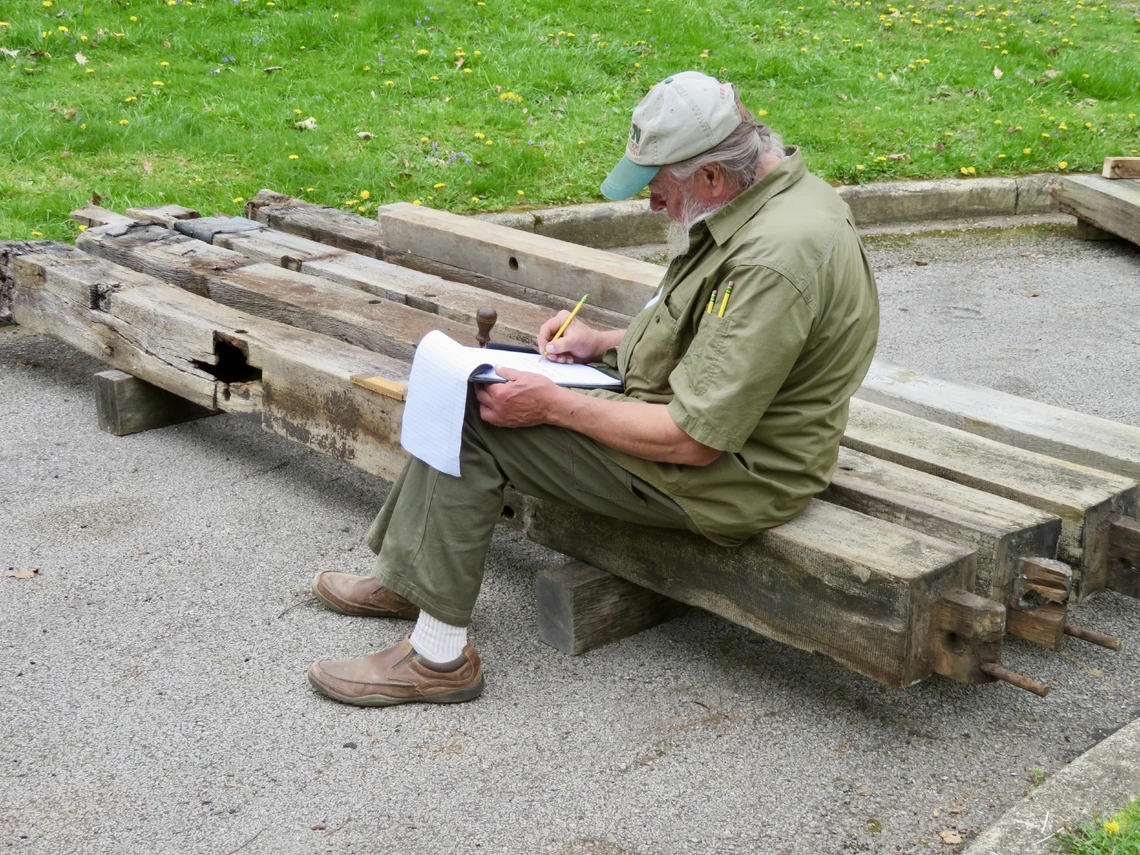
One of their most significant projects was the reconstruction of the historic “Big Barn” at Malabar Farm State Park near Mansfield, Ohio. Not only did they conduct extensive research on the building and involve scores of fellow timber framers in the reconstruction, but they opened the barn raising to the general public, attracting tens of thousands of people eager to take part in traditional communal event. It was an eye-opening experience, one that spurred their desire to continue full-steam ahead on the historic preservation path. “The response was just incredible,” Saeger says. “That’s when we realized that timber framing was so directly tied to American heritage. It was really exciting to be so effective at reintroducing people to an American tradition.”
Actively involved in conducting workshops, giving presentations, and participating in training opportunities across the country and the world, Christian and Saeger have been trailblazers in traditional trades education, generously sharing their knowledge and advocating for craftspeople at every turn. With the perspective and hands-on experience of nearly a half century behind them, they are happy to report that “the future of timber framing looks bright.”